
Last updated November 17, 2026
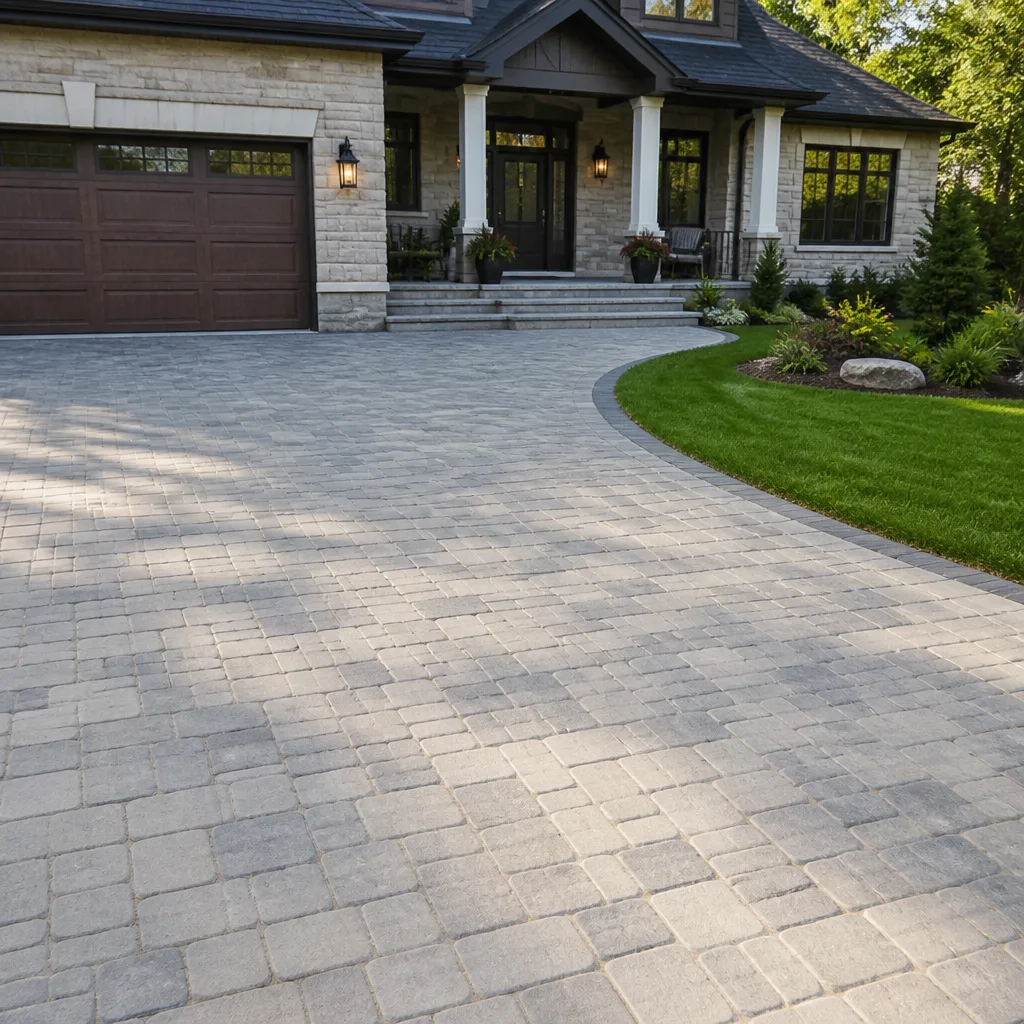 Driveway & pavers
 Kitchen remodeling
 Bathroom remodeling
 Home additions & ADU
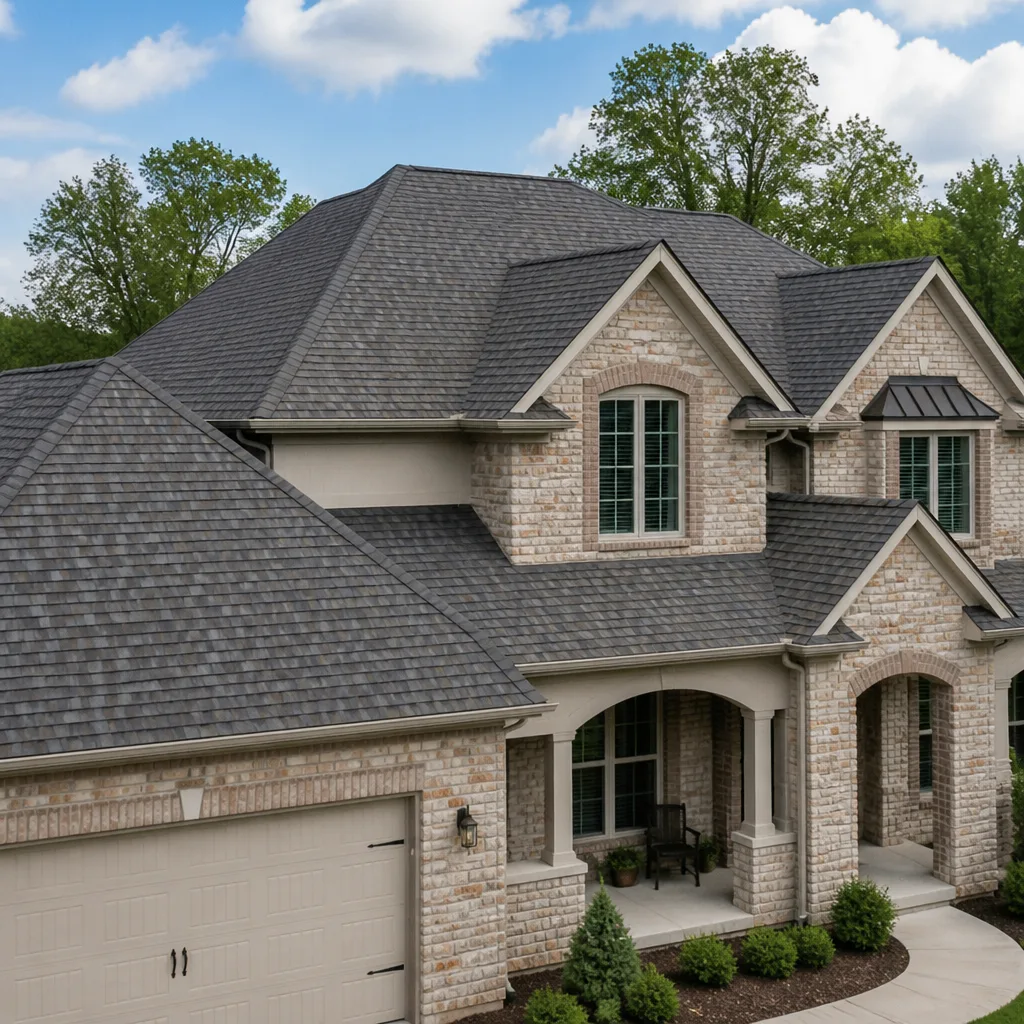 Roofing
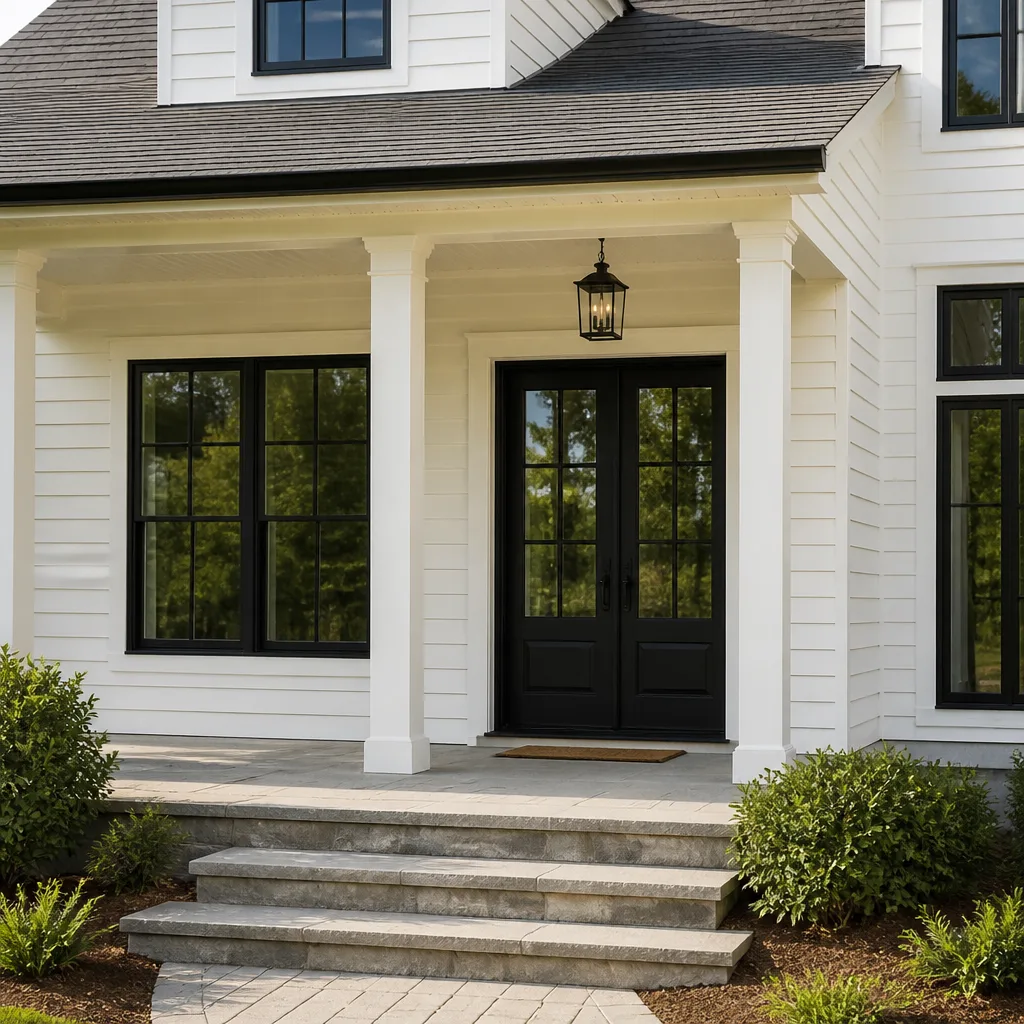 Windows & doors
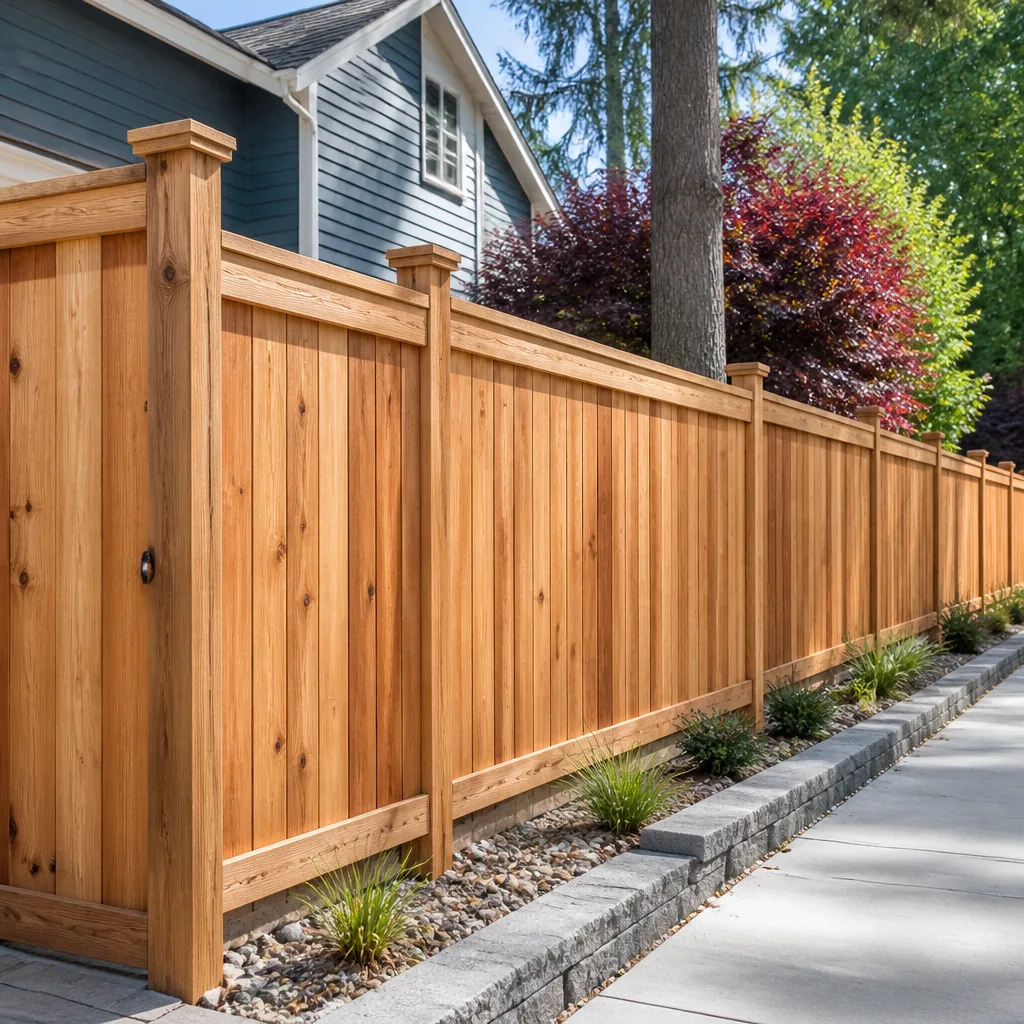 Fence
Free written scope consultation - allowances, timeline, and change-order rules on paper before a single trade is scheduled
Driveway & Pavers Maintenance Checklist for Torrance Homeowners
A paver driveway installed correctly should last 25 to 30 years in Torrance. Most that need full replacement before year 12 failed at the sand-set base, not the pavers themselves – a problem that’s invisible until it isn’t. The surface still looks fine, the joints still hold sand, and then one wet season the pavers start rocking underfoot and the whole field shifts. The culprit usually isn’t traffic. It’s two things specific to this city: moisture that never fully dries out, and roots from the mature canopy overhead. This guide walks through the seasonal checks that catch base failure early, the tree species to watch, and the honest truth about when sealing helps and when it makes things worse.
Quick Answer
A paver driveway in Torrance needs a full inspection twice a year, polymeric sand re-jointing every 2 to 4 years, and sealing only when the base is confirmed stable and dry – not as a routine annual step. The two maintenance priorities unique to this city are managing moisture cycling from the marine layer and watching for root pressure from mature street trees. Skip either and a 25-year driveway can fail in a decade.
Styles & brands we work with
- Kitchen remodeling
- Bathroom remodeling
- Home additions & ADU
- Roofing
- Windows & doors
- Driveway & pavers
- Fence
Table of Contents
- Why Torrance Driveways Fail Early
- Seasonal Inspection Calendar for Torrance
- The Marine Layer and Moisture Cycling
- Base Failure vs. Surface Settling: How to Tell
- Tree Root Pressure by Common Torrance Street Species
- Polymeric Sand Re-Jointing Schedule
- When Sealing Helps and When It Hurts
- Common Mistakes to Avoid
- When to Call a Professional
- Frequently Asked Questions
Why Torrance Driveways Fail Early
Most homeowners assume their driveway wears out from cars, kids, and weather. In Torrance, the wear story is different. The city sits close enough to the coast that the marine layer rolls in most summer nights and burns off late morning. That daily cycle of moisture soaking into the paver joints and then evaporating in afternoon sun stresses the sand-set base far more than steady dry heat would.
The second factor is the tree canopy. Torrance’s older residential blocks – especially around Old Torrance, the Riviera, and the streets running off Torrance Boulevard – are lined with mature trees whose roots extend well beyond the drip line. A ficus twelve feet from a driveway can send roots under the base course and lift a field of pavers a half inch at a time. Neither factor shows up on the surface until the damage is significant.
What this means practically: a Torrance paver driveway needs proactive maintenance, not reactive repair. The checklist below is built around those two local pressures. If you’re still planning the install rather than maintaining one, our driveway & pavers page covers base construction, drainage slope, and paver selection – the decisions that determine whether a driveway reaches year 25 at all. For everything already down, read on.
Key Takeaways:
- A correctly built paver driveway lasts 25 to 30 years in Torrance; early failures are almost always base failures.
- Marine layer moisture cycling and tree root pressure are the two dominant local causes of premature failure.
- Two inspections a year and re-jointing every 2 to 4 years catch most problems while repair is still cheap.
- Sealing is conditional, not routine – and sealing a wet or unstable base makes failure faster.
Seasonal Inspection Calendar for Torrance
Two thorough inspections a year handle almost everything a Torrance driveway needs. Time them to the local weather rather than the calendar month: one at the end of the rainy season (late spring), one before it starts (early fall). Follow this checklist on each visit.
- Walk the whole field slowly. Note any paver that rocks underfoot or sounds hollow. A single rocking paver is a joint issue; a cluster is a base issue.
- Check joint sand levels. Look for joints running low, sand washed to the driveway edge, or bare paver shoulders. Low sand means water is getting to the base.
- Inspect for efflorescence. White powdery staining on the paver face signals moisture moving through the stone and evaporating at the surface. It’s most common after a wet spring in Torrance.
- Look at the edges. Check the restraint or edge course along the driveway perimeter. Edge failure lets the whole field spread.
- Test drainage. Pour a bucket of water at the high point and watch it move. Standing water in the middle of a slab means the slope has failed.
- Scan for root lifting. Any paver raised in a line radiating from a nearby tree is a root problem, not settling.
- Check the apron and street transition. The City of Torrance has requirements for driveway approaches at the public right-of-way. Any cracking or heaving there is worth documenting before it worsens.
Two inspections a year, done consistently, will catch most Torrance driveway problems at a stage where repair is a few hundred dollars rather than a full replacement.
The Marine Layer and Moisture Cycling
The marine layer is Torrance’s quiet enemy of hardscape. Overnight and early morning, humid air settles over the city and condenses onto cool paver surfaces. That moisture works into the joints and, on a poorly drained base, into the bedding sand underneath. By mid-morning the sun burns it off, but not before it’s been absorbed and, on hot days, drawn back out through the stone as vapor.
That cycle repeats hundreds of times a year. Over time it produces two recognizable problems:
- Efflorescence. Mineral salts carried by moisture migrate to the paver surface and crystallize as a white haze. It’s cosmetic in itself but a useful early warning that moisture is moving where it shouldn’t.
- Joint sand displacement. The constant wet-dry cycling loosens the joint sand, and water running off the surface scours it out. A driveway that loses joint sand every year is telling you the base isn’t draining properly.
If you see efflorescence returning after cleaning, don’t just clean it again. Find out where the moisture is coming from. In our experience, most repeated efflorescence in Torrance traces to one of three sources: joint sand that hasn’t been topped up, a slope that no longer drains toward the street, or a base that never had adequate drainage to begin with. Fix the water path and the efflorescence stops. Clean the surface and it comes back next spring.
Base Failure vs. Surface Settling: How to Tell
This is the single most important diagnostic a Torrance homeowner can learn, because it decides whether you’re looking at a $300 repair or a full driveway replacement. Surface settling is cosmetic. Base failure is structural.
Surface settling usually shows up as shallow dips in a large area, with pavers still tight and joints intact. It’s typically caused by minor compaction over time or original construction that didn’t fully compact the base. It’s annoying, not dangerous, and often can be addressed without pulling up the whole field.
Base failure shows up differently:
- Pavers that rock individually or in clusters when walked on
- Joints opening laterally – pavers spreading away from each other
- Sunken areas that reappear after re-sanding
- Water pooling in one spot that won’t drain
- Visible movement at the edges, with the field pushing outward
- Sections that feel spongy or soft underfoot, especially after rain
The quick test: if a paver moves separately from its neighbors, the bedding layer under it is gone or the base beneath it has shifted. If it moves as part of a block, that’s settlement and usually repairable. Anything more than a few square feet of rocking pavers needs a professional assessment, because re-sanding or re-sealing over a failing base simply hides the problem until the next wet season.
This is also the point where it’s worth talking to a general contractor rather than a paver specialist alone. If the driveway failure is part of a wider exterior problem – a fence that’s leaning, drainage that’s pushing water against the foundation, or an addition being planned that changes the grade – one contractor managing the whole scope saves a lot of handoffs. You can see the full scope on our Construction Torrance homepage.
Tree Root Pressure by Common Torrance Street Species
Torrance’s mature tree canopy is one of the best things about the city, but it isn’t gentle on driveways. Root pressure is the second great killer of paver bases here. The roots that matter are the ones within about 15 feet of the driveway edge, and different species cause different patterns of damage.
- Ficus. Shallow, aggressive, and the worst offender for driveways in Torrance. Ficus roots spread wide and lift pavers in a slow heave that’s easy to miss until a whole section is raised an inch.
- Eucalyptus. Deep-rooted but powerful; damage tends to show as localized lifting near the trunk rather than widespread heave.
- Jacaranda. Surface roots extend well beyond the canopy. Watch for lines of raised pavers radiating toward the tree.
- Camphor and liquidambar. Both push up shallow roots under pavement and are common in older Torrance neighborhoods.
- Palm species. Roots are fibrous and shallow; damage is usually less severe, but heavy fronds and surface roots still stress the driveway edge.
What to watch for: pavers lifted in a linear pattern, especially if a tree is within 15 feet. Root lifting is progressive, so a half-inch rise this year is an inch next year. The good news for Torrance homeowners is that roots can often be managed – by re-compacting and resetting affected pavers, or by installing a root barrier along the driveway edge. Catching it early keeps the cost in the hundreds. Ignoring it for three seasons usually means redoing a section of driveway.
Polymeric Sand Re-Jointing Schedule
Joint sand is the first line of defense for a paver driveway. It locks pavers together and keeps water from reaching the base. When it’s gone, everything below it starts taking on water.
How often should you re-joint? In Torrance, expect to re-joint with polymeric sand every 2 to 4 years. The exact interval depends on the driveway’s exposure. A driveway on a windy Torrance street with heavy tree litter will need it closer to the 2-year end; a sheltered one with good drainage might get 4 or 5 years out of a jointing.
Polymeric sand is the right product for the local climate, but not all polymeric sands are equal. The brands that hold up best in Southern California humidity are the ones engineered for joint stability in wet-dry cycling rather than simple color consistency. We stock and specify polymeric jointing systems from our hardscape partners Belgard, Techo-Bloc and Unilock because they’re built to spec for load and drainage rather than decorative-only applications. When the joint sand is re-applied to manufacturer spec, it sets firm and stays firm for years rather than washing out with the first heavy rain.
Signs it’s time to re-joint:
- Joint depth is more than ¼ inch below the paver surface
- Sand is visible collecting at the driveway edge
- Water is puddling between pavers during rain
- You can push the joint sand out with a finger
- Efflorescence has returned after a recent cleaning
If any of those are true, re-jointing is the priority maintenance item – more urgent than sealing, more urgent than cosmetic cleaning.
When Sealing Helps and When It Hurts
Here’s the honest contractor’s answer to a question that gets a lot of bad advice: sealing a paver driveway is a decision, not a schedule. Done right, on a stable, dry, correctly drained base, a penetrating sealer slows moisture cycling and keeps efflorescence down. Done wrong – which mostly means done too early, too often, or on a base that’s already failing – it traps moisture inside the pavement system and accelerates the very failure it was supposed to prevent.
When sealing helps:
- The base has been confirmed stable with no rocking pavers
- Joint sand has been re-applied recently and is set properly
- The driveway drains freely and shows no standing water
- The driveway will be sealed during a dry, warm spell with no marine layer overnight for at least 48 hours
When sealing hurts:
- Any pavers are rocking or the base is suspect – never seal over a moving field
- The joints are already short on sand – water has nowhere good to go and the sealer holds it there
- The driveway has unresolved drainage problems
- Efflorescence is present – sealing traps the salts inside and makes the problem much harder to correct
- The previous coat is still intact – doubling up a film-forming sealer creates a moisture trap
In our experience, the biggest mistake Torrance homeowners make is hearing “seal your driveway every year” and following it. Most paver driveways here don’t need sealing on any fixed timetable. They need it done once every several years when the diagnosis says the base is solid and the surface is dry – and not before.
Common Mistakes to Avoid
- Sealing over a rocking field. If any pavers are moving, sealant locks the movement in and holds moisture under the surface. Fix the base first, then seal – never the other way around.
- Power washing the sand out of the joints. A pressure washer aimed at pavers strips out joint sand and opens the pathway to the base. Low pressure and a wide fan only, or better, don’t pressure wash at all.
- Ignoring efflorescence as cosmetic. In Torrance, white haze on pavers almost always means moisture is moving through the system. Treat it as an early warning, not a cleaning chore.
- Assuming a single rocking paver will stabilize on its own. It usually gets worse – the sand under it washes away with the next rain, and neighbors start to move too.
- Skipping re-jointing to save money. Re-jointing every 2 to 4 years is one of the cheapest maintenance tasks you can do on a paver driveway. Skipping it is one of the most expensive decisions.
- Overlooking the driveway edge. A failing edge or barrier lets the whole field spread. Check the restraint or edge course on every inspection.
- Cutting tree roots without a professional assessment. Aggressive root cutting on a Torrance street tree can damage the tree and destabilize the driveway further. Root management needs a plan.
See the difference
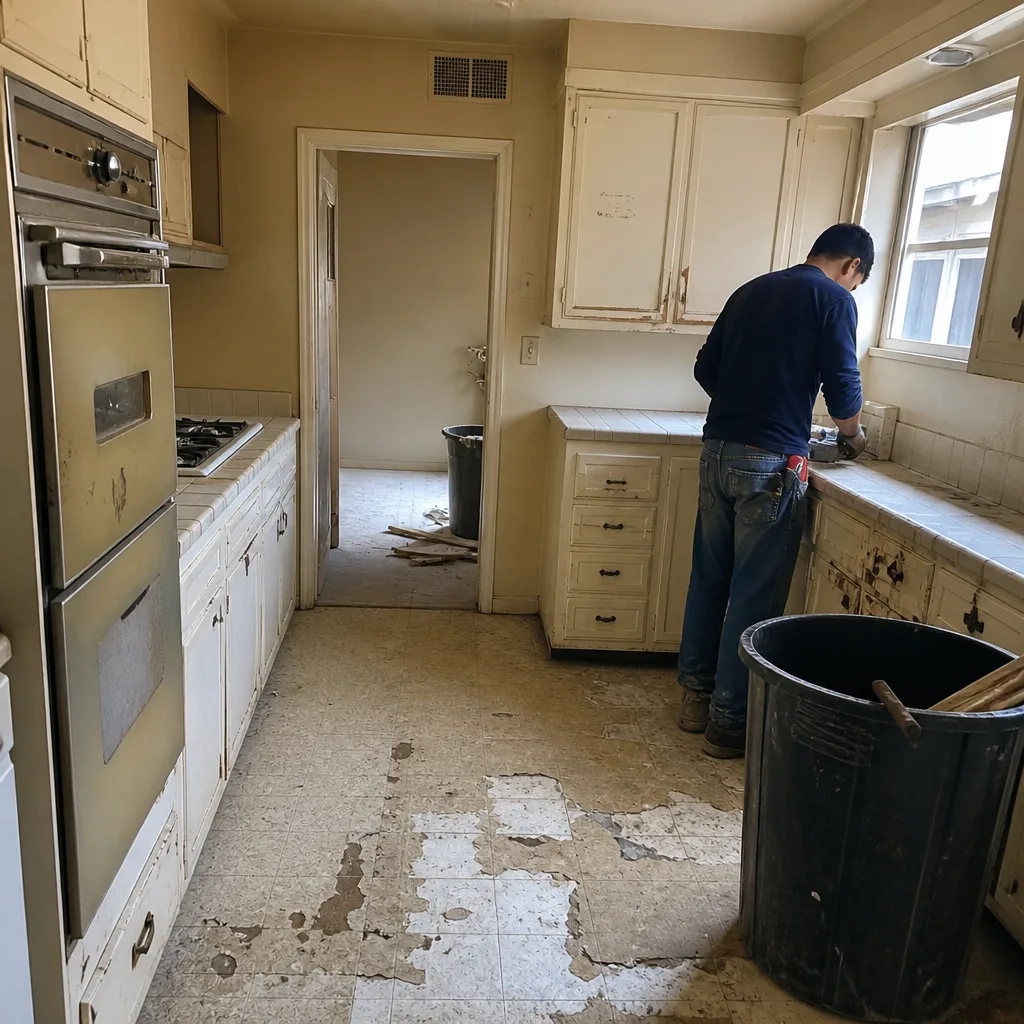 Before
 After
 Before
 After
 Before
 After
When to Call a Professional
Most routine maintenance – topping up joint sand, cleaning efflorescence, seasonal inspection – is well within a homeowner’s reach. Call a professional when the problem crosses into structural territory:
- More than a few square feet of pavers rocking or a cluster of joints opening
- Water pooling on the driveway after rain, or a slope that has visibly failed
- Root lifting near a mature tree that needs a barrier or re-leveling plan
- Failing edge restraint or a spreading field
- Any consideration of a full re-seal when you’re not sure the base is stable
- A driveway failure that’s part of a wider exterior scope – fence, drainage, or an home additions & ADU project that changes site grading
Paver work is heavy, and a failed base often reveals itself as more complicated once the surface comes up. Better to have a contractor look at it before you commit to a repair, and to have one team responsible if the scope widens. Construction Torrance offers free estimates in Torrance – call (844) 560-5501 to schedule. Written line-item quotes, fixed pricing with no change orders, and work backed by our hardscape partners’ manufacturer specifications.
Frequently Asked Questions
A correctly installed paver driveway should last 25 to 30 years in Torrance. Failures before year 12 almost always trace back to the sand-set base rather than the pavers, which is why inspection and re-jointing are the two most important maintenance habits to build. Call (844) 560-5501 for a professional look if yours is showing rocking, joint spreading, or pooling water.
Every 2 to 4 years, on average. The marine layer moisture cycling in Torrance wears joint sand down faster than inland climates, so driveways on exposed or windy streets trend toward the 2-year end. Re-joint with a polymeric sand built for Southern California humidity and top up in between inspections.
That’s efflorescence, mineral salts carried to the surface by moisture moving through the pavers. In Torrance, recurring efflorescence usually means joint sand is short, the drainage slope has failed, or the base was never properly drained. Clean the surface once to confirm, but if it returns, the moisture source needs diagnosing. Call (844) 560-5501 for a free estimate on the repair.
No. Sealing frequency should be driven by condition, not calendar. Seal when the base is confirmed stable, joints are freshly sanded, and the surface will be dry for at least 48 hours – not before. Sealing annually on a Torrance driveway with any moisture or movement issue makes the problem worse, not better.
Yes, and it’s the second most common cause of paver failure in the area after moisture. Ficus, jacaranda, and camphor trees within about 15 feet of a driveway are the biggest offenders. Catching the root lifting early – linear raised pavers running toward a tree – lets the section be re-leveled with a root barrier rather than rebuilt. Call (844) 560-5501 for a free assessment.
Often yes, if the problem is one isolated paver with failed bedding sand underneath. If several pavers are rocking or a whole area is soft, the base underneath needs attention rather than the pavers. The best way to know is a professional look. Free estimates in Torrance – call (844) 560-5501.
Yes. As a full-scope general contractor we run driveway and paver work alongside fence installation and other exterior scopes under one project team, so grading, drainage, and coordination all get handled together rather than through separate bids. Call (844) 560-5501 to talk through the scope.
The Bottom Line
Torrance paver driveways don’t fail from wear. They fail from moisture cycling in the marine layer and root pressure from the tree canopy. Two inspections a year, re-jointing every 2 to 4 years, and a sealing decision made on the base’s condition rather than the calendar will get most driveways well past year 20. If you’re seeing rocking pavers, recurring efflorescence, or linear root lifting, act early – repair at that stage is a few hundred dollars, not a full replacement. Written by the team at Construction Torrance.
If it’s time to get a professional eye on your driveway, or you’re planning a replacement and want to know what’s achievable on your site, call (844) 560-5501 for a free estimate. We answer 24/7. Fast dispatch from 7am to 7pm, Sunday through Friday. Our technicians have up to 13 years of experience, and every job comes with a written line-item quote and fixed pricing.
Written by the team at Construction Torrance.