
Last updated November 17, 2026
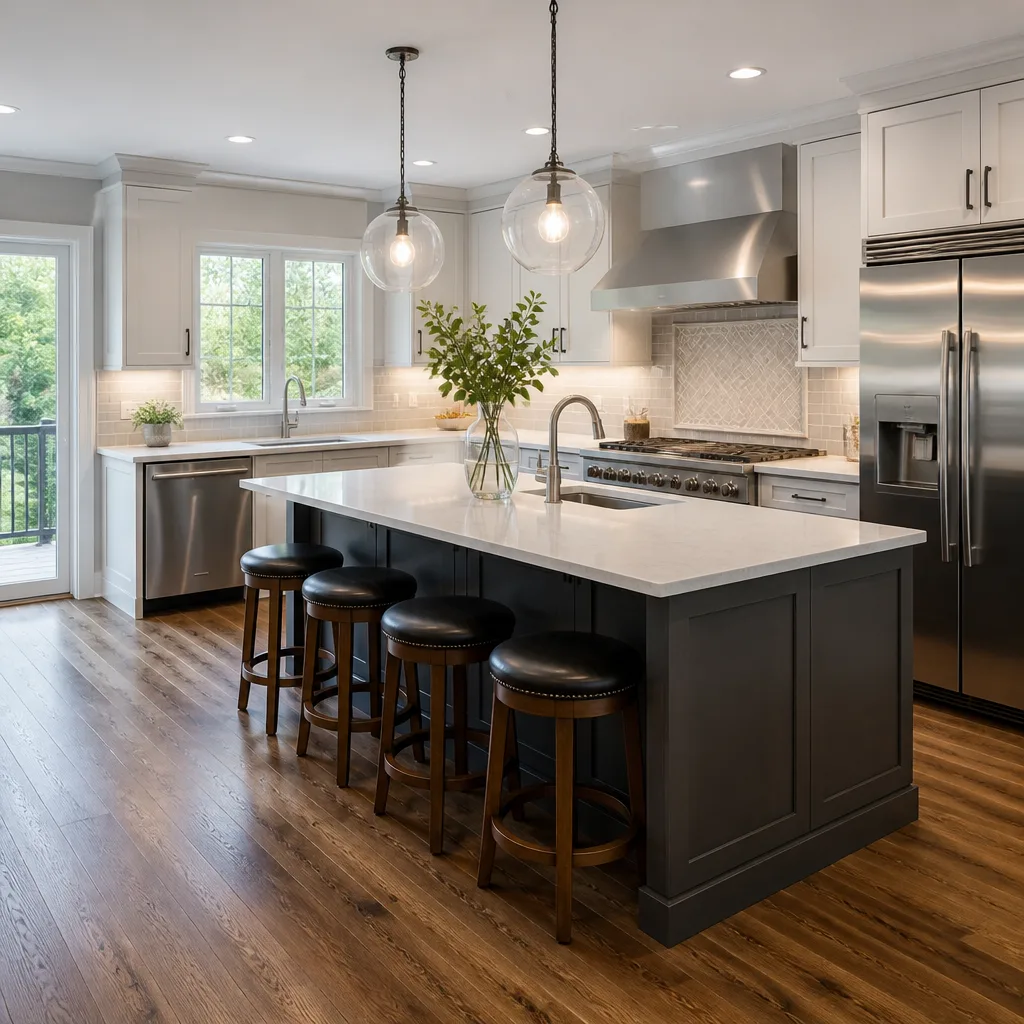 Kitchen remodeling
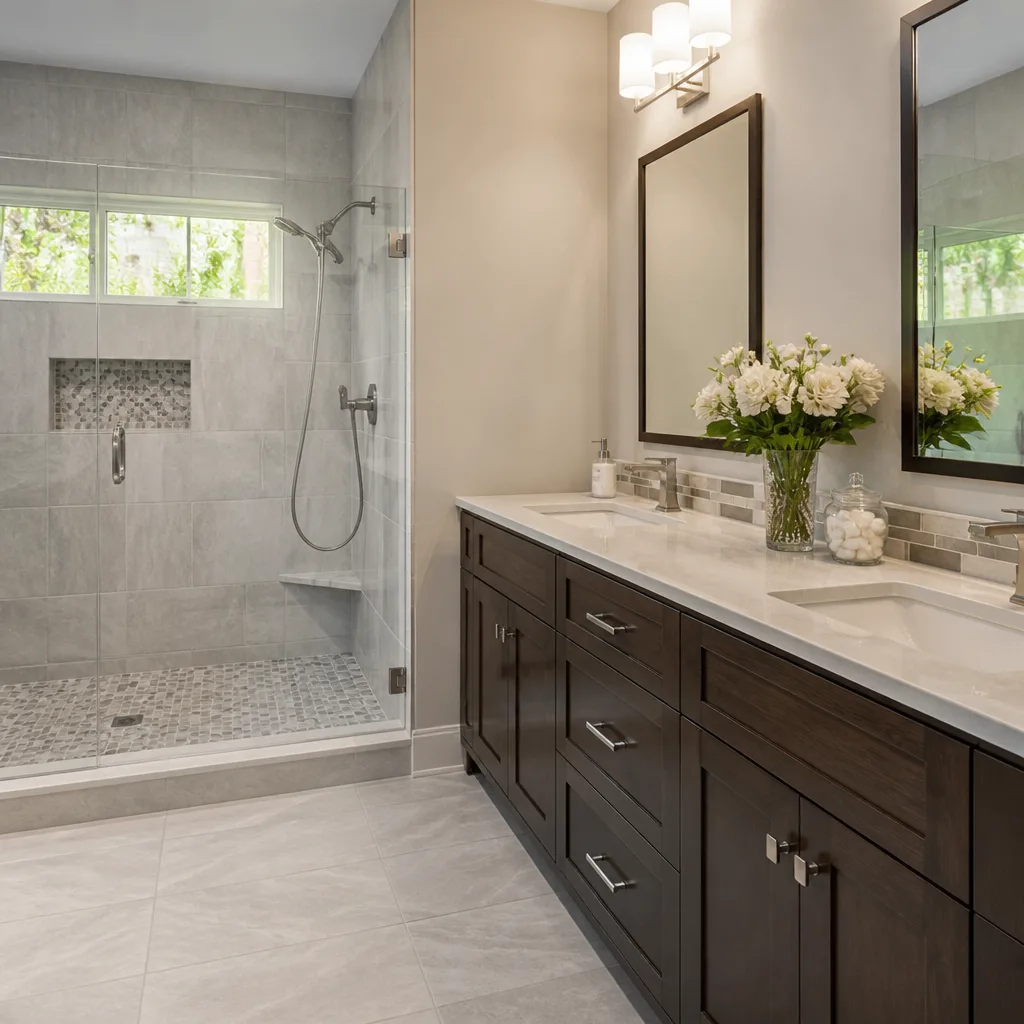 Bathroom remodeling
 Home additions & ADU
 Roofing
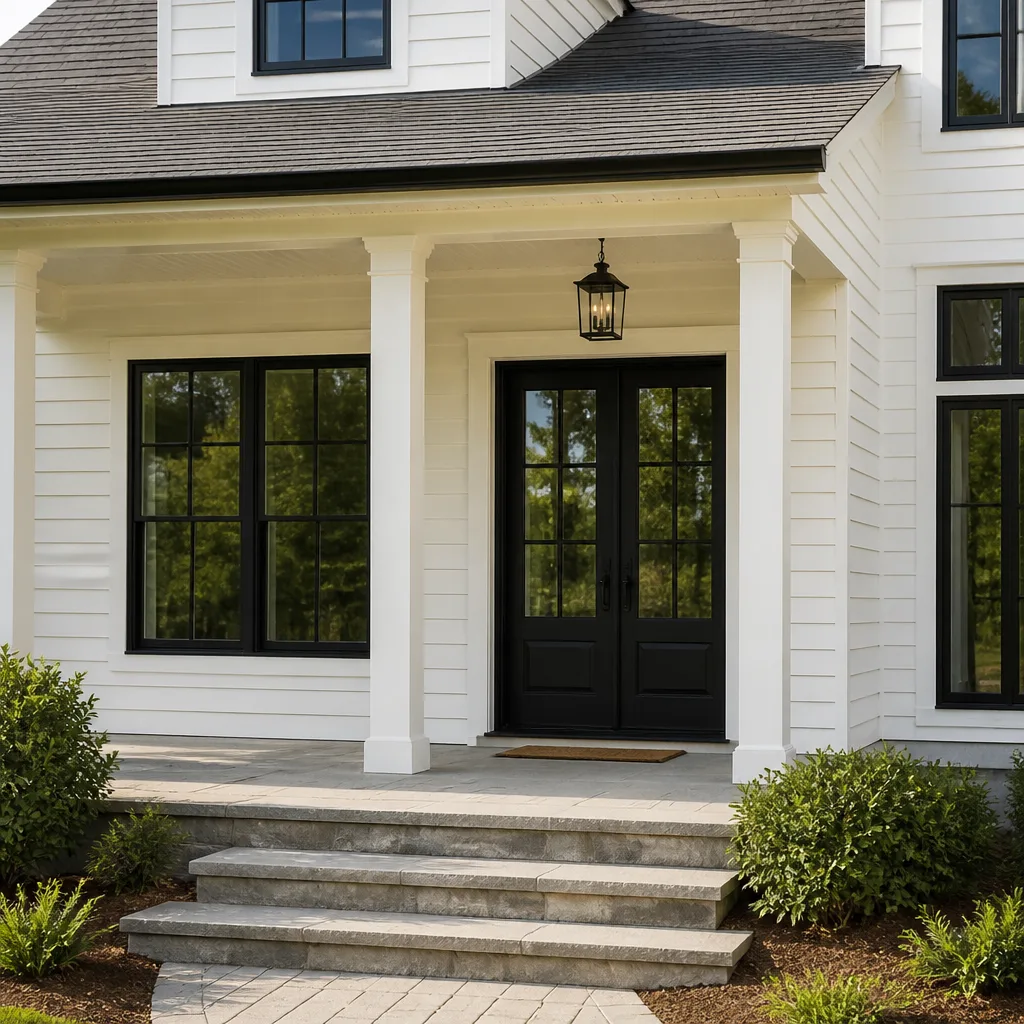 Windows & doors
 Driveway & pavers
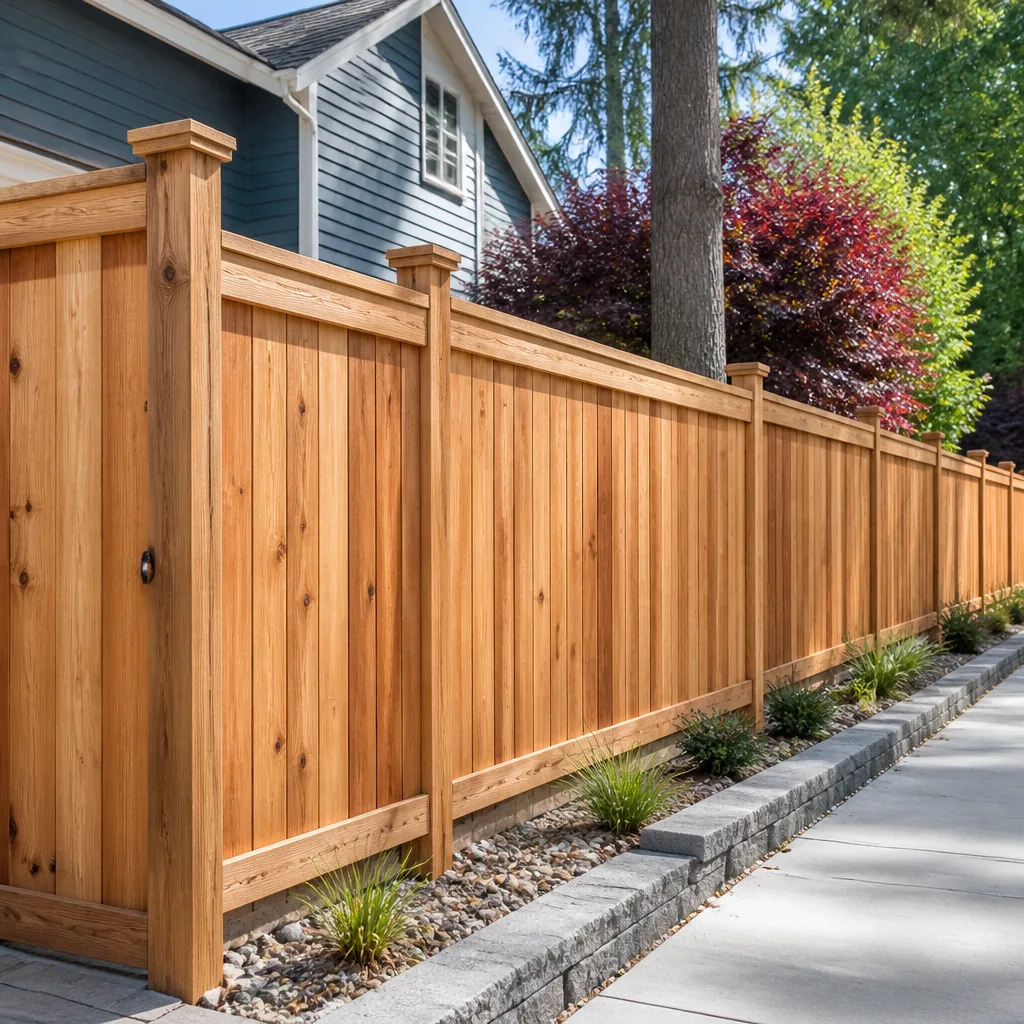 Fence
Free written scope consultation - allowances, timeline, and change-order rules on paper before a single trade is scheduled
How to Hire a Construction Contractor in Torrance: A Step-by-Step Guide
The most expensive construction mistake Torrance homeowners make isn’t hiring the wrong contractor. It’s writing a scope of work so vague that any contractor, good or bad, can’t price it accurately. A sentence like “remodel the kitchen” or “replace the driveway” leaves the door open for three bids that describe three different jobs, and the winner is usually the one that quietly assumed the least. This guide walks through the step most homeowners skip – writing a real scope before you call anyone – and then through license checks, contract clauses, bid red flags, and the questions that tell you whether a contractor actually knows materials or just talks a good game. You’ll finish knowing exactly how to hire a construction contractor in Torrance without the surprises that show up mid-project.
Quick Answer
To hire a construction contractor in Torrance, write a detailed scope of work before you solicit a single bid, then verify the contractor’s California license and classification on the CSLB website, compare at least two written line-item bids that name materials and brands, and sign a contract that spells out who pulls the permits, how change orders get approved in writing, and what inspections must pass before payment. The right contractor gives you a fixed written price, not a range, and can explain why each material was chosen.
Styles & brands we work with
- Kitchen remodeling
- Bathroom remodeling
- Home additions & ADU
- Roofing
- Windows & doors
- Driveway & pavers
- Fence
Table of Contents
- Step 1: Write Your Scope of Work Before You Call Anyone
- Step 2: Verify the License and the Classification
- Step 3: Read the Bids Like a Contractor Would
- Step 4: The Five Contract Clauses That Protect You
- Step 5: Interview the Contractor on Materials
- Red Flags in the Bid Process
- Why Multi-Trade Projects Fail in Torrance
- Frequently Asked Questions
Step 1: Write Your Scope of Work Before You Call Anyone
A scope of work is a plain-language document that tells a contractor exactly what you want built, out of what, and to what standard. Most homeowners never write one. They describe the project verbally, collect three bids, and then discover mid-job that each contractor interpreted “new fence” differently – one priced cedar dog-ear pickets, another priced pressure-treated six-foot privacy panels, a third never included gate hardware at all. The bids looked comparable because the words were the same. The work wasn’t.
Writing a scope in Torrance takes an afternoon and saves far more than that. It doesn’t need to be formal. It needs to be specific enough that two contractors bidding the same document would arrive at similar numbers.
- State the project in one sentence. “Replace the concrete driveway with a paver driveway, approximately the same footprint, plus a new border course and a widened apron at the street.”
- List every element you expect to be included. Demolition, haul-away, base prep, drainage, materials, fixtures, trim, paint, cleanup. If you’d be upset to find it missing, write it down.
- Name the materials you want, or say you want options. If you’ve researched quartz brands or paver systems, put them in the scope. If you haven’t, ask the contractor to propose two or three options with a price for each.
- State your must-haves and your nice-to-haves separately. This tells the contractor where to hold the line on cost and where there’s room to move.
- Note the permits you expect to be required. You don’t need to know the answer – that’s the contractor’s job – but the scope should ask who is pulling them.
- Set a rough budget range and a target start window. Honest ranges get honest bids. A contractor who knows your range can tell you whether the scope is realistic before anyone wastes a walkthrough.
If your project crosses trades – say a kitchen remodel plus new windows plus a backyard fence – write the scope as one document with sections. That single page is what lets you compare a coordinated bid against three separate ones, and it’s the reason so many Torrance homeowners end up going with a general contractor instead of shopping each trade individually.
Step 2: Verify the License and the Classification
California licenses contractors through the Contractors State License Board, and verifying that license is free and takes about two minutes on the CSLB website. What most homeowners miss is the classification – the letters after the license number that tell you what scope of work the contractor is actually licensed to perform. A clean license with the wrong classification is still a problem.
For residential work, the classifications you’ll encounter most are:
- B – General Building Contractor. Covers projects that involve two or more unrelated trades, such as a home addition that requires framing, electrical, plumbing and finish work. A B license is the right one for most whole-project remodels and additions.
- A – General Engineering Contractor. Covers work that’s primarily fixed works – roads, grading, larger site work. A driveway replacement on its own typically sits with a specialty contractor, not an A license.
- C-27 – Landscaping. Covers planting, irrigation and related site work, and often overlaps with hardscape projects.
- C-13 – Fencing. Covers fence construction and repair as a standalone scope.
- B with specialty subs, or a specialty license with a sub. A general contractor can hold a B license and bring in properly licensed subcontractors for electrical, plumbing, HVAC and roofing scopes.
Here’s the practical rule: if your project touches two or more unrelated trades, you want a B license holder carrying the contract. If it’s a single-trade job – a fence, a driveway, a roof – a specialty license covering that trade is appropriate. When you check the CSLB record, confirm the license is active, the classification matches the scope, and the business name on the license matches the name on the bid. Our technicians have up to 13 years of experience, and the first thing a real contractor will do on your project is tell you plainly which license should be carrying it.
Step 3: Read the Bids Like a Contractor Would
A bid is not a price. It’s a description of work with a number attached, and the description is where the real comparison happens. Two bids can be $8,000 apart and neither one is wrong – they’re just bidding different scopes. Before you compare totals, line them up side by side.
- Is the bid line-item or lump sum? Line-item bids break out demolition, materials, labor and permits. Lump-sum bids hide all of that. Ask for line items, even on a small job.
- Are materials named, with a brand and a model or grade? “Quartz countertops” means nothing. “Cambria quartz, three centimeter, specified edge profile” means something you can hold the contractor to.
- Who pulls the permits, and is the permit cost included? If the answer is vague, the permit is either missing from the bid or it’s going to be billed later as an extra.
- Is there a stated allowance for anything undecided? Allowances are normal for fixtures and finishes. An allowance with no dollar figure is a blank check.
- What’s excluded? Every honest bid has an exclusions list. A bid with no exclusions is either incomplete or hiding scope.
- What’s the payment schedule? Payments should track completed work and passed inspections, never a large deposit up front.
When the bids are on the same scope, the spread is usually materials, labor overhead and how the contractor handles the unknowns. When they’re not on the same scope, the spread is meaningless. Write the scope first, and this step becomes simple.
Step 4: The Five Contract Clauses That Protect You
Construction contracts in California have to cover certain basics, but the clauses that decide how a project feels three weeks in are the ones homeowners forget to ask for. Five clauses matter more than any other on a multi-trade Torrance project.
- Permit ownership. The contract should name the contractor as the party responsible for pulling all permits and scheduling all inspections, and should state that permit fees are included in the price. If you pull the permit yourself, you own the inspection risk.
- Subcontractor lien waivers. On a project that uses subs, the contract should require lien waivers from each sub before final payment. This protects you from a sub who wasn’t paid by the general contractor and files a lien against your property.
- Change order written approval. No work outside the scope should proceed without a signed written change order stating the added cost and the schedule impact. Verbal approvals are how change-order exposure starts.
- Materials specification lock-in. The contract should name the materials and brands agreed in the bid and state what happens if a specified product becomes unavailable – substitution requires your written approval, not the contractor’s judgment.
- Inspection hold points. The contract should list the points in the schedule where an inspection must pass before the next phase begins – framing, rough electrical, rough plumbing, final – and should tie payment to those milestones.
These five clauses are the difference between a fixed-price project and an open-ended one. Ask for them in writing before you sign, not after. A contractor who pushes back on any of them is telling you something useful.
Step 5: Interview the Contractor on Materials
Anyone can talk about workmanship. The interview that separates real expertise from sales talk is the one about materials. Ask these questions and listen for specifics, not adjectives.
- “What three or four brands would you propose for this scope, and why?” A contractor who carries real material depth will name specific brands and explain the trade-offs – who makes the better cabinet box, which paver system holds up under load, which window line is worth the upgrade.
- “Are those brands you’re authorized to work with, or brands you buy at a big-box store?” Authorized relationships mean manufacturer warranties, correct spec support and reliable lead times. Generic supplier relationships don’t.
- “What would you spec at the value end and at the premium end of this category?” A good contractor carries options at every price point within a category, not just the tier that pays the best margin. This is the question that reveals whether they’re selling you a product or advising you on one.
- “What’s the lead time on the materials you’ve proposed?” Kitchen cabinets, windows and custom pavers all have long lead times. A contractor who knows the numbers can build a real schedule. One who guesses will not.
- “What does the manufacturer’s warranty cover, and who files it?” Brand warranties on cabinetry, surfaces, roofing and windows exist because the manufacturer stands behind the product. Ask who submits the registration and what happens if the product fails.
Construction Torrance works with more than 50 name-brand material manufacturers across every trade. On a kitchen, that means cabinetry from KraftMaid or Wellborn and quartz from Cambria, Caesarstone or Silestone. On a bath, fixtures from Kohler, Moen, Delta, Blanco or American Standard. On a roof, materials from GAF, CertainTeed or Owens Corning. On hardscape, paver systems from Belgard, Techo-Bloc or Unilock. On windows, impact-rated and energy-efficient lines from PGT, CGI, ECO Window Systems, Therma-Tru or ES Windows. Those are the specifics we ask about when we interview a new supplier, and they’re the specifics you should ask about when you interview a contractor.
Red Flags in the Bid Process
Most bid red flags aren’t about price. They’re about coordination – early signals that the contractor is going to have trouble holding a multi-trade schedule together. Watch for these:
- A bid that arrives in under 24 hours on a complex scope. Speed is not expertise. A real bid takes a walkthrough, a material spec and some thought. One-day bids are usually priced off a template.
- No written scope attached to the bid. If the bid describes the work in the same vague language you used, the contractor didn’t interpret the scope – they copied it.
- A large deposit request. California limits home improvement deposits, and a contractor asking for a substantial sum up front is asking you to finance their cash flow. Payments should track completed work.
- Vague or missing permit language. “We’ll handle the permits” without a named responsible party and an included fee is a gap waiting to open. In Torrance, permit timing is one of the most common causes of schedule slippage on additions and ADUs.
- Pushback on written change orders. A contractor who wants to handle additions “as we go” is planning to bill you as they go.
- No sub licenses on file. If the project involves electrical, plumbing, roofing or HVAC scopes, ask who the subs are and confirm each one holds a current license. A GC who doesn’t know their subs’ license status isn’t running the project.
- Material substitutions offered before the project starts. If the specified product quietly becomes “something similar” before work has even begun, it will happen again mid-job. Lock in the brand.
One more: a bid with no schedule. On a single-trade job, an open schedule is survivable. On a project that touches four trades, it’s the beginning of a coordination problem. Ask for a written sequence of phases and what has to be inspected before the next phase begins.
Why Multi-Trade Projects Fail in Torrance
Torrance homes sit in a housing stock that spans from mid-century tract houses to newer builds, and most of the significant projects homeowners take on here cross at least two trades. A kitchen remodel that also replaces a window and adjusts a doorway is three trades. A backyard project that includes a paver driveway, a new fence and an ADU is four. The failure mode on those projects is almost never a bad trade – it’s a missing coordinator.
When you hire four specialists separately, you get four scopes, four schedules and four people who don’t answer for each other. The paver contractor finishes the driveway and leaves a pile of base material where the fence line is supposed to go. The window installer shows up a week after the kitchen drywall has been closed up. The fence goes in before the driveway is finished, and now the fence is behind a wheelbarrow path. None of those trades did anything wrong. There was simply no one on the job whose scope included sequencing.
The alternative is a single general contractor carrying all the trades under one project team. That’s not a marketing line for us – it’s the structural reason a coordinated project runs differently. One contractor from the driveway to the roofline means one schedule, one set of materials lead times, one party responsible for pulling the permits and passing the inspections, and one point of contact when a sub needs to move. On a Torrance project that involves driveway & pavers, a new fence installation and interior work, that coordination is the difference between a project that finishes in the planned sequence and one that loses weeks to trade conflicts.
The same logic applies on renovations that reach structural scope. A home additions & ADU project involves framing, foundation, electrical, plumbing, roofing and finish work in a single contract, and the sequencing has to be designed before a single permit is pulled. General contractors who handle additions as a primary scope plan that sequence on paper first. Contractors who treat an addition as a large remodel don’t, and the schedule shows it.
Common Mistakes to Avoid
- Bidding the project before writing a scope. Three bids on a vague description are three different jobs, and the cheapest one usually reflects the smallest interpretation of the scope. Write the scope first, then bid.
- Treating the lowest bid as the target. The lowest bid on an ambiguous scope isn’t cheaper – it’s smaller. It will end up costing more once the exclusions show up as extras.
- Skipping the license classification check. A valid license with the wrong classification can still leave you with a contractor who isn’t licensed for the scope they’re carrying. Check the CSLB record and the classification, not just whether the license is active.
- Letting the contractor pick every material. If you don’t specify brands, you get what’s on the shelf. Name the brands you want in the scope, or ask for options at multiple price points and choose deliberately.
- Approving change orders verbally. A verbal “go ahead” is how a fixed-price project becomes a moving target. Every change goes on paper before work starts.
- Hiring each trade separately on a project that crosses trades. The savings from shopping each trade rarely survive the scheduling losses from having no one accountable for sequencing. On multi-trade Torrance projects, one contractor from the driveway to the roofline is usually the shorter path.
- Paying too much too early. A payment schedule that front-loads the deposit and trails the inspections is the wrong direction. Payments should follow completed, inspected work.
See the difference
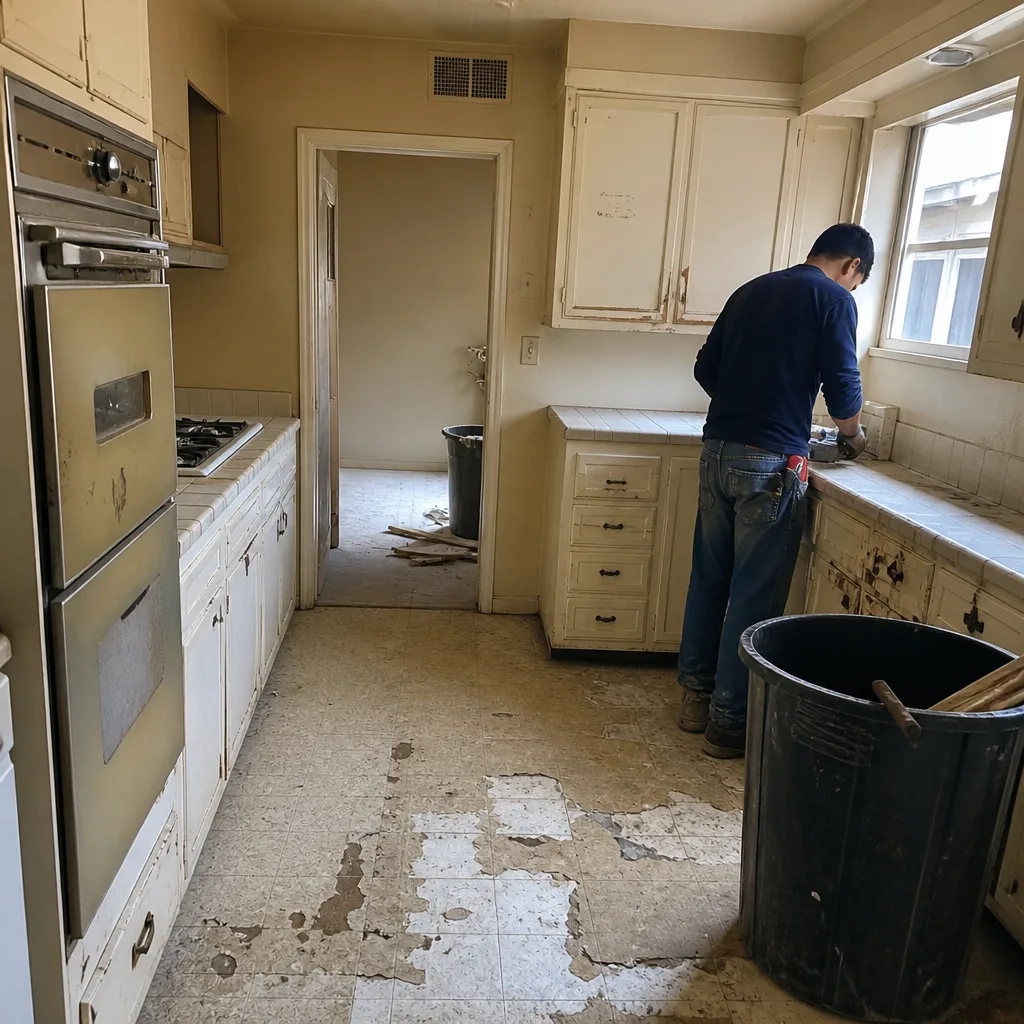 Before
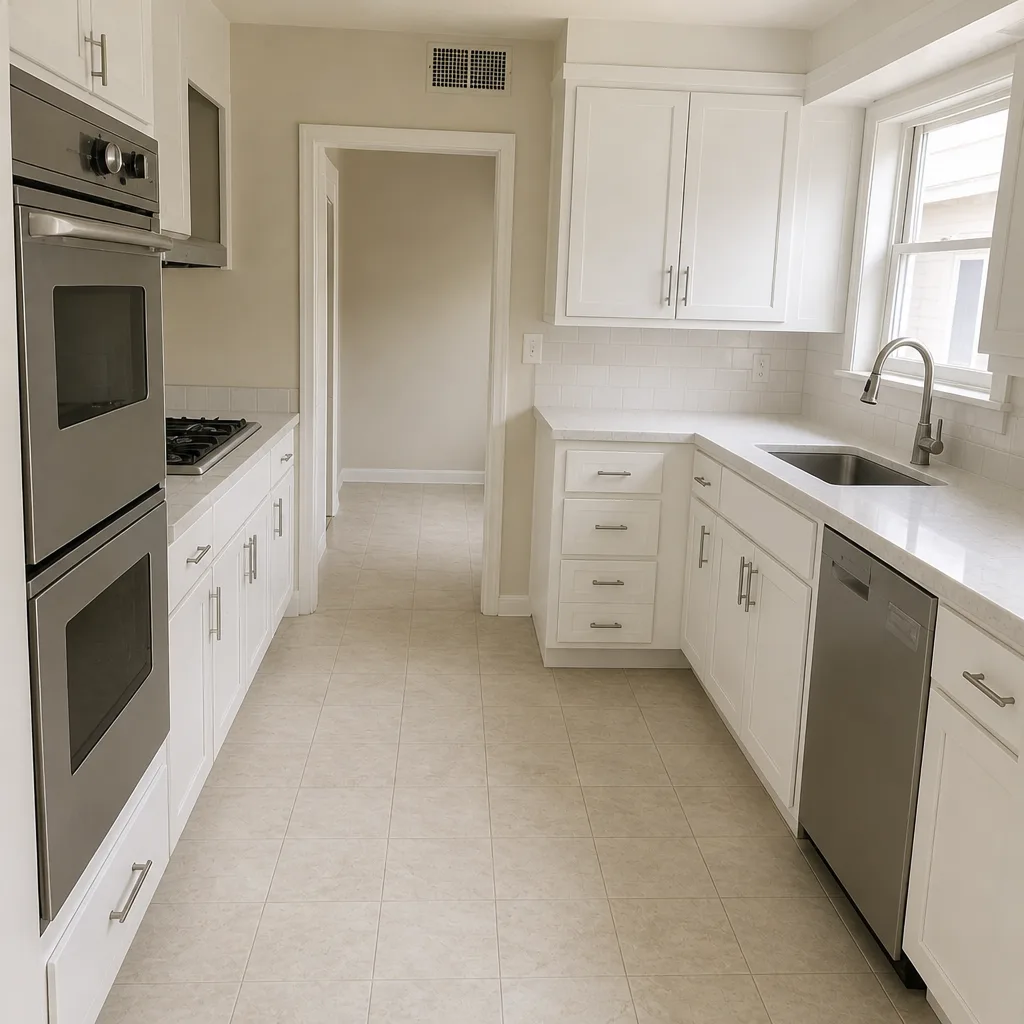 After
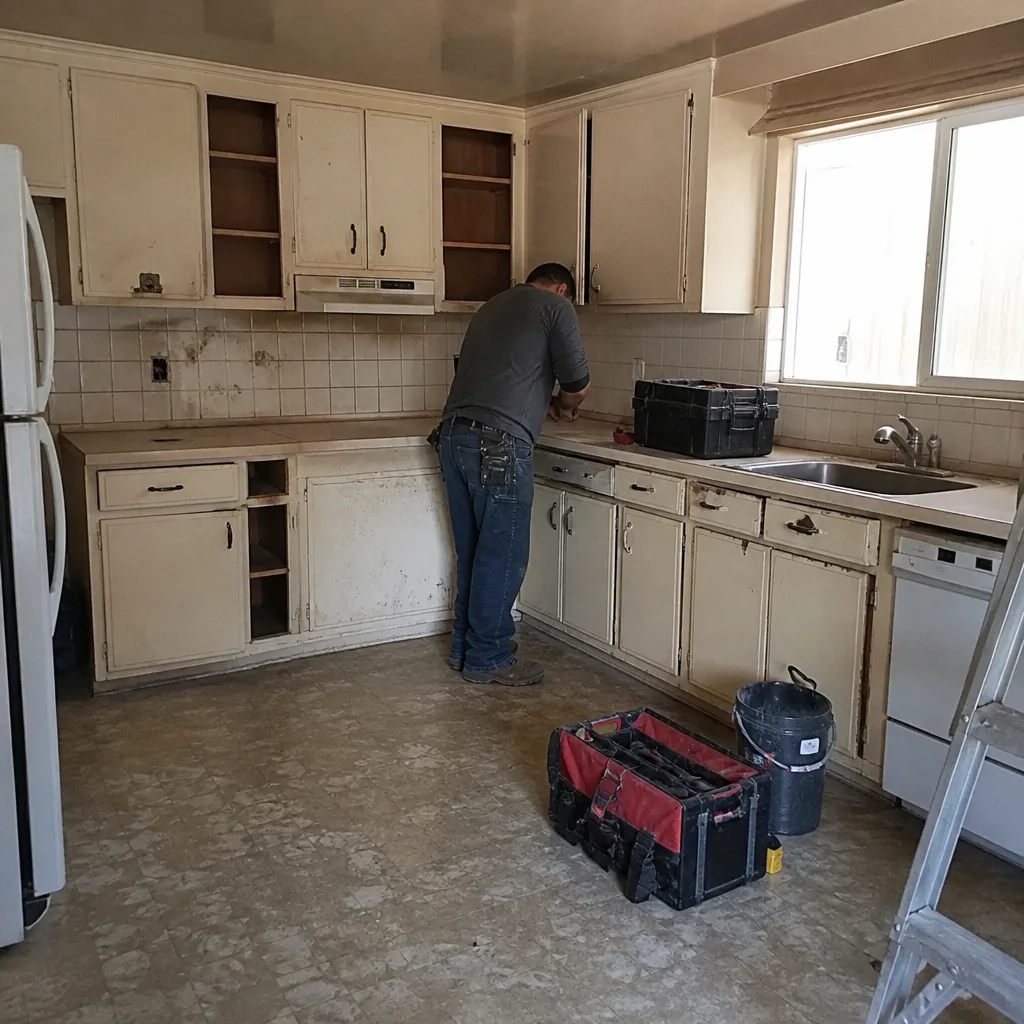 Before
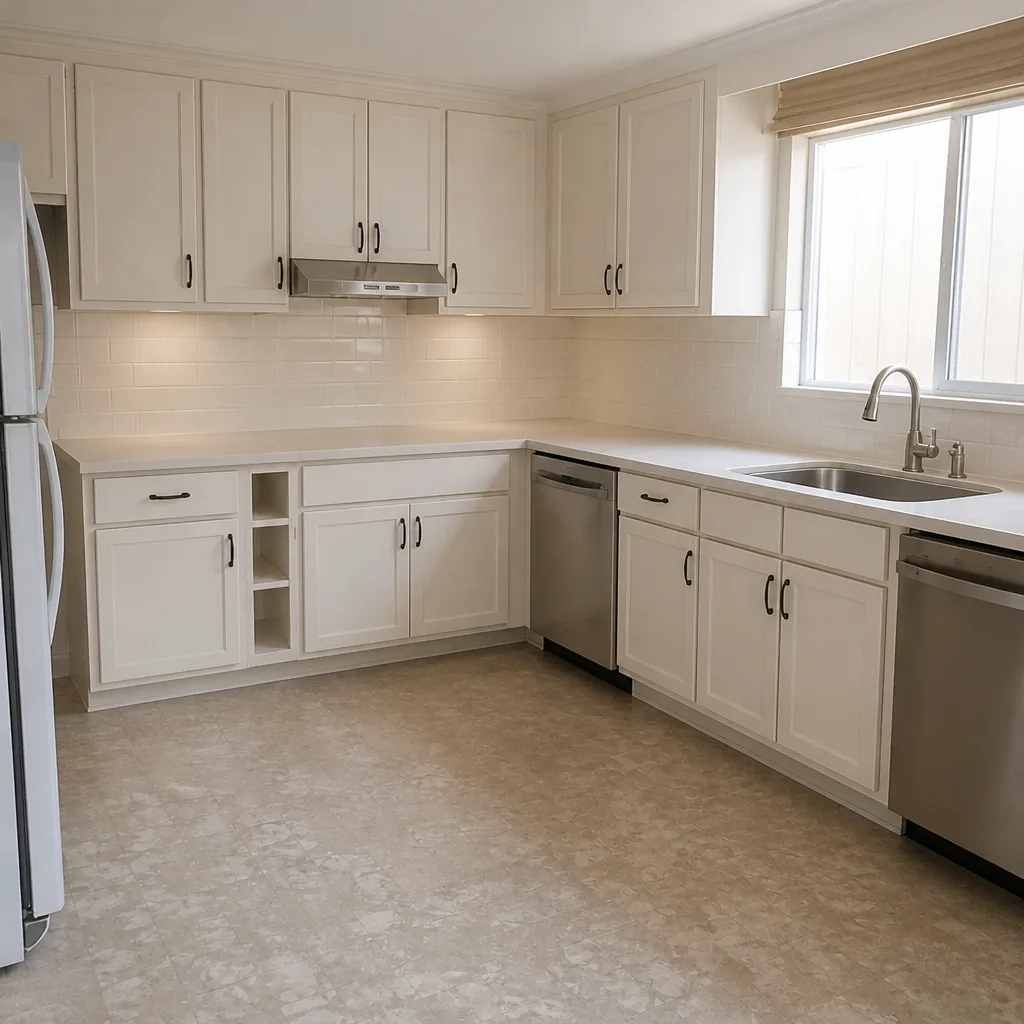 After
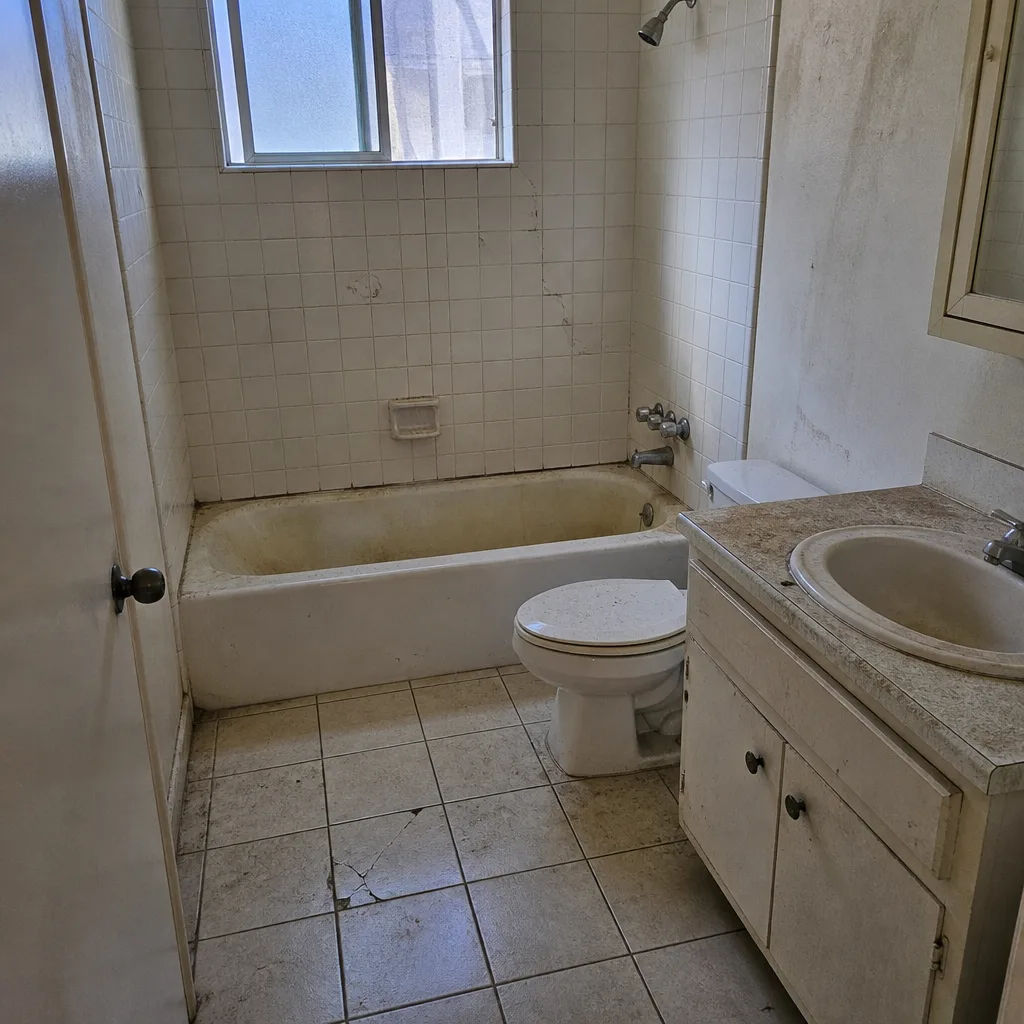 Before
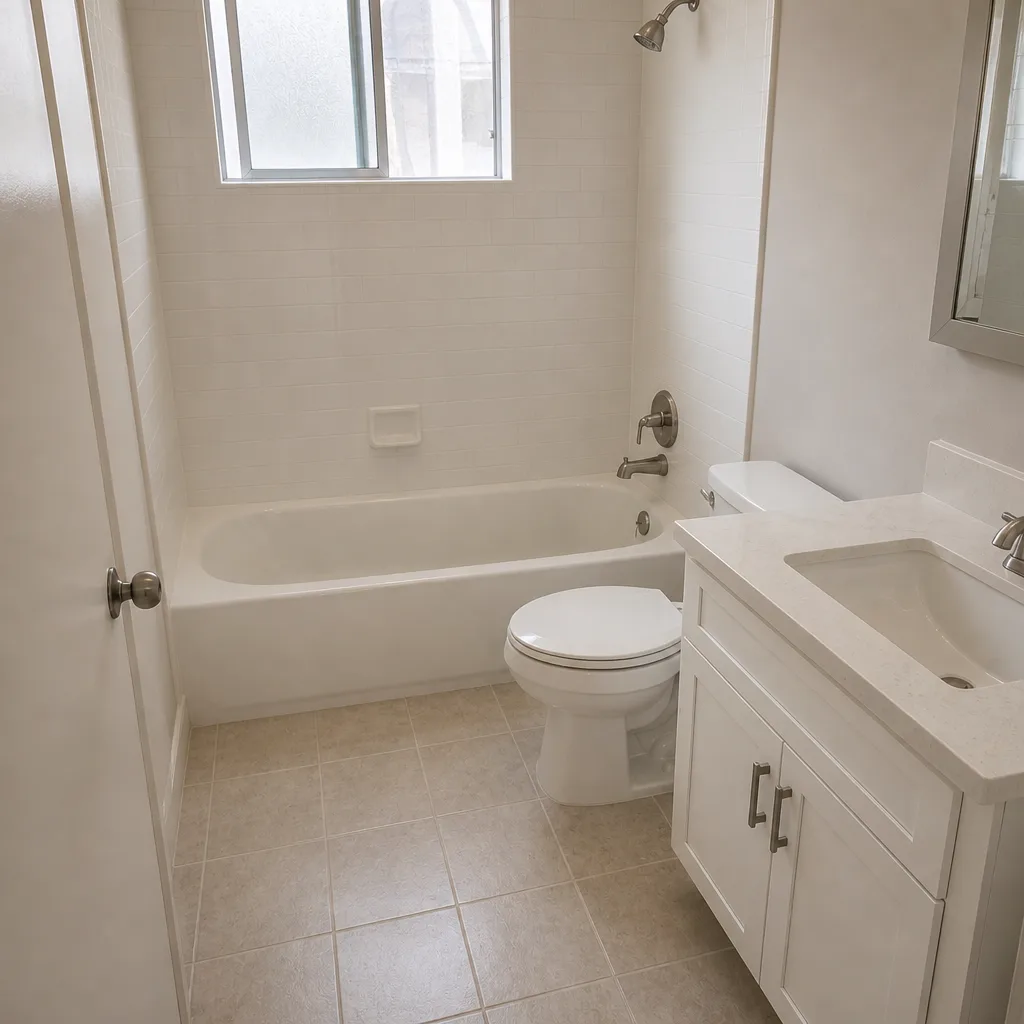 After
When to Call a Professional
Some projects are fine as a weekend job. Others aren’t. Call a professional when the work involves permits, when it touches two or more trades, when it changes anything structural, or when the finish needs to be right for a long time – a paver driveway that has to carry cars, a fence that has to hold up to wind, a kitchen that has to last through a decade of use. Call a professional, too, when you’re not sure whether a permit is required: guessing wrong on a Torrance permit is an expensive correction. Construction Torrance offers free estimates in Torrance – call (844) 560-5501 to schedule yours. Our estimates are written line-item quotes at a fixed price with no change orders on the agreed scope, permits pulled and inspections passed, and work backed by a workmanship warranty.
Frequently Asked Questions
There’s no single number, because contractor pricing depends entirely on the scope, the materials and the trades involved. What you should ask for is a written line-item bid that names materials, includes permit fees, and states exclusions. That’s the only number you can compare across bids, and it’s the only number a contractor can honor once work starts. Call (844) 560-5501 for an exact quote – estimates are free.
Yes. California requires contractors to be licensed, and you can verify any contractor’s license and classification in a few minutes on the Contractors State License Board website. Check three things: the license is active, the classification matches the scope, and the business name matches the name on the bid. If any of those doesn’t line up, ask before you sign anything.
Not on the agreed scope. A written line-item quote with a materials specification locked in and a formal change order process means the price for the contracted work doesn’t move. Changes happen when the scope genuinely changes – you add a window, upgrade a countertop, or encounter an unknown once demolition opens a wall. Those go through a written change order with a stated cost, approved by you before the work proceeds. Call (844) 560-5501 for an exact quote – estimates are free.
Yes. We pull the permits and schedule the inspections for the work we carry, and permit fees are included in the written estimate. On Torrance projects that cross multiple inspections – framing, rough electrical, rough plumbing, final – we tie the payment schedule to those milestones so the project advances on passed inspections, not on calendar dates that slipped.
It depends on the scope and the material lead times, which is why we ask about both before we quote. A kitchen remodel with specified cabinetry, a window replacement and a fence installation each carry different lead times, and the schedule only works if those are mapped against each other before work starts. We build the sequence on paper first and put it in the contract, so you know what’s happening when. Call (844) 560-5501 to schedule a free estimate.
Ask for three or four brands they’d propose for your scope and why, whether they’re authorized to work with those manufacturers, what they’d spec at the value end and the premium end, and what the lead times are. A contractor who carries real material depth answers all four with specifics. One who answers in adjectives is selling, not advising. Construction Torrance works with more than 50 name-brand manufacturers across every trade, so we can offer real brand choice at every price point in the category.
The Bottom Line
Hiring right in Torrance comes down to writing before you call. Write the scope, list the materials, name the permits, and put the five protective clauses on your must-have list. Then compare bids side by side on the same scope, verify the license and classification, and ask the material questions in the interview. The contractor you want will hand you a line-item written quote with materials named, permits included, payments tied to inspections, and a workmanship warranty on the finish. The contractor you don’t want will hand you a range, a deposit request and a verbal change-order process. Our technicians have up to 13 years of experience, and we’ve seen what separates those two bids on projects all over Torrance – it’s almost always the scope document and the contract, not the craftsmanship.
Get Your Free Estimate
If you’ve written your scope and you’re ready to price it properly, we’ll walk your project, talk materials at the level you’ve researched, and put together a written line-item estimate for the full scope – driveway to roofline if that’s what the project needs. Construction Torrance offers free estimates across seven service lines under one project team. Call (844) 560-5501. We answer 24/7. Fast dispatch from 7am to 7pm, Sunday through Friday.
Written by the team at Construction Torrance.