
Last updated November 17, 2026
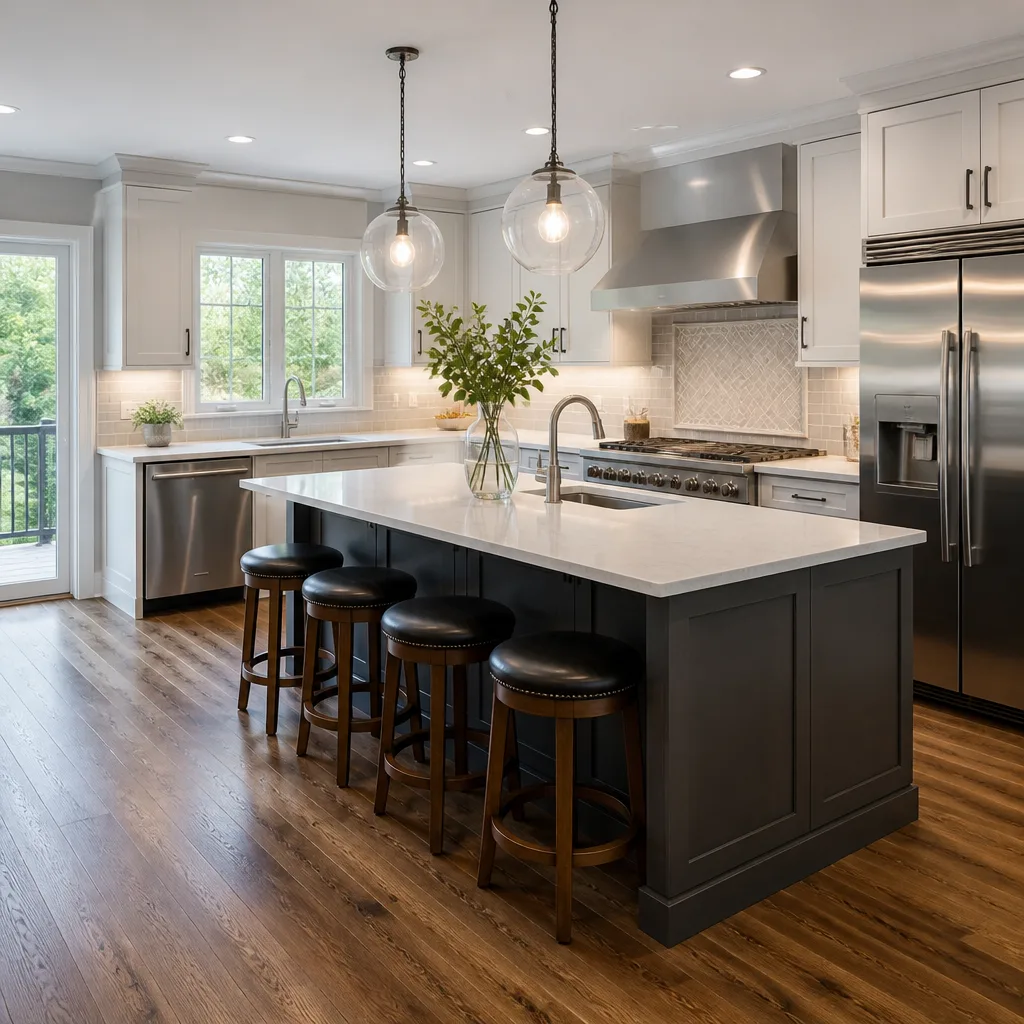 Kitchen remodeling
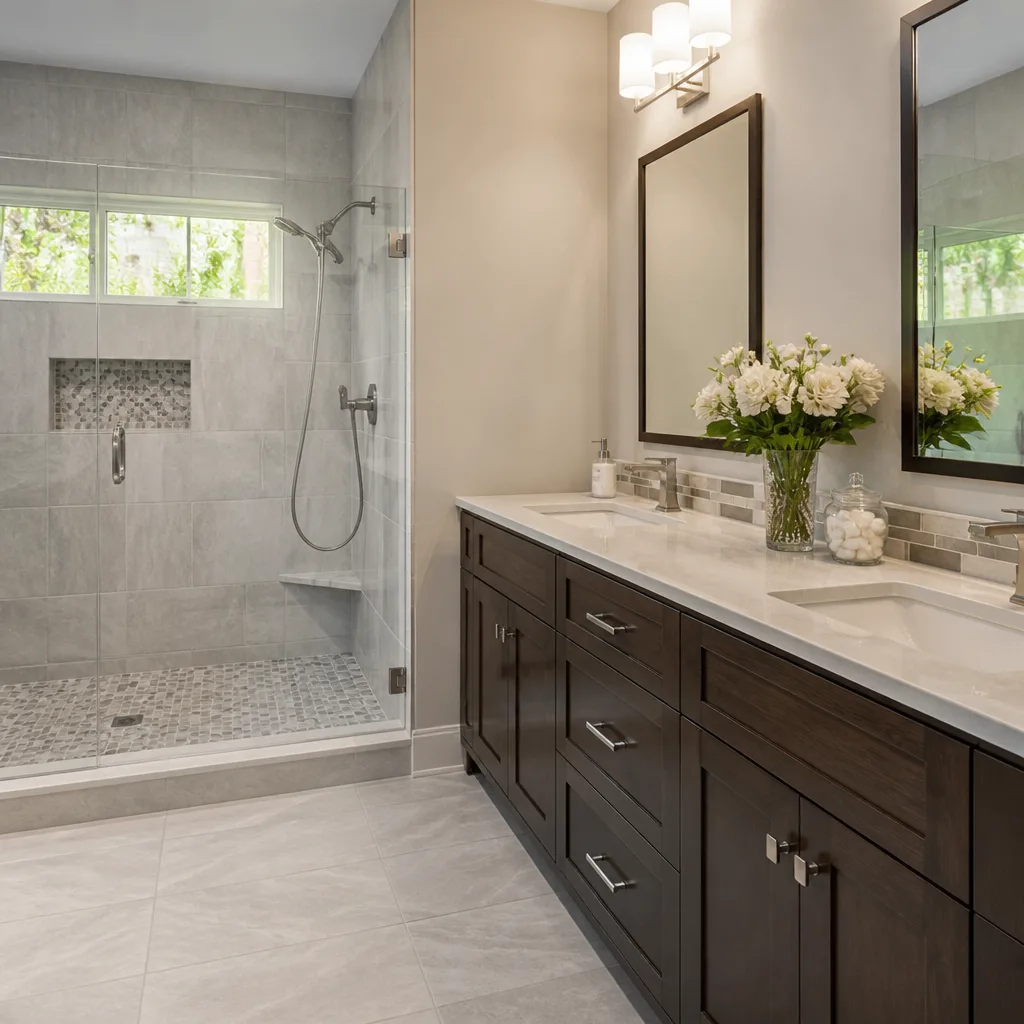 Bathroom remodeling
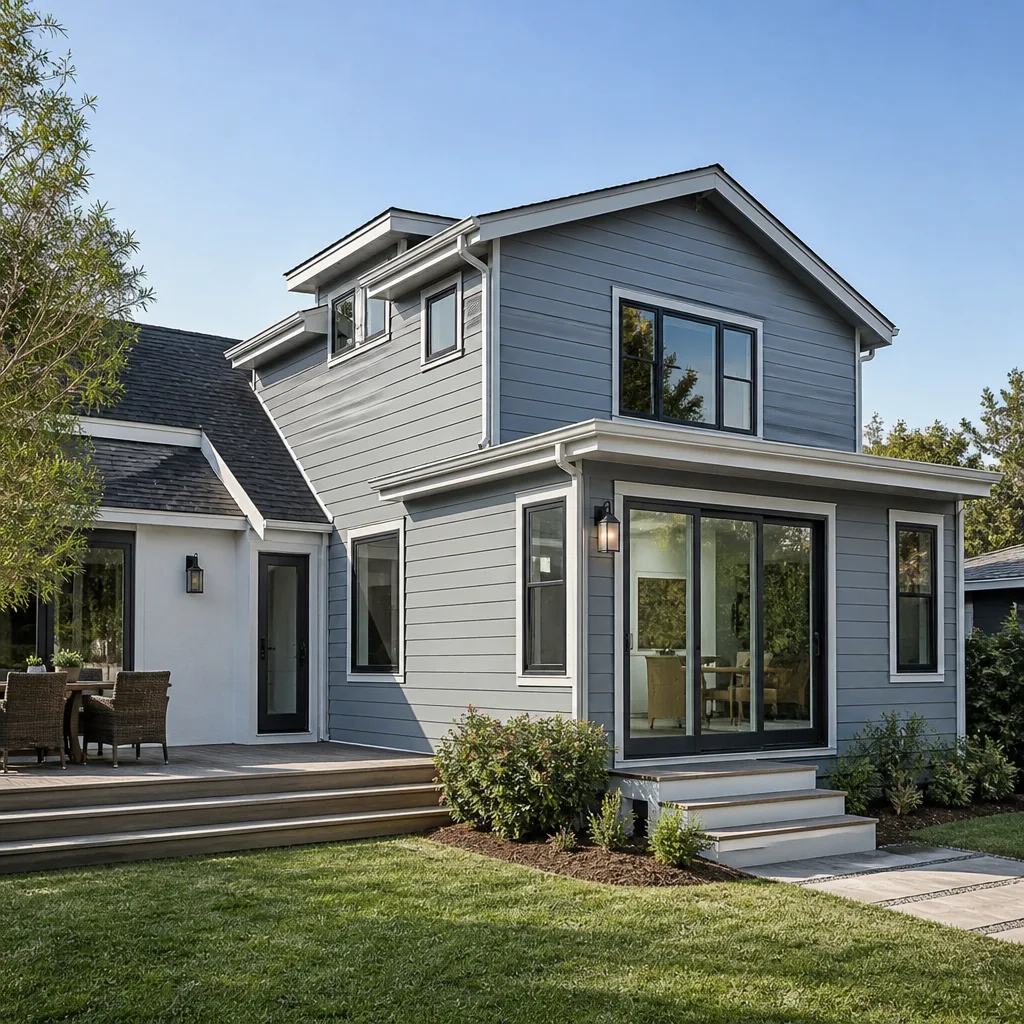 Home additions & ADU
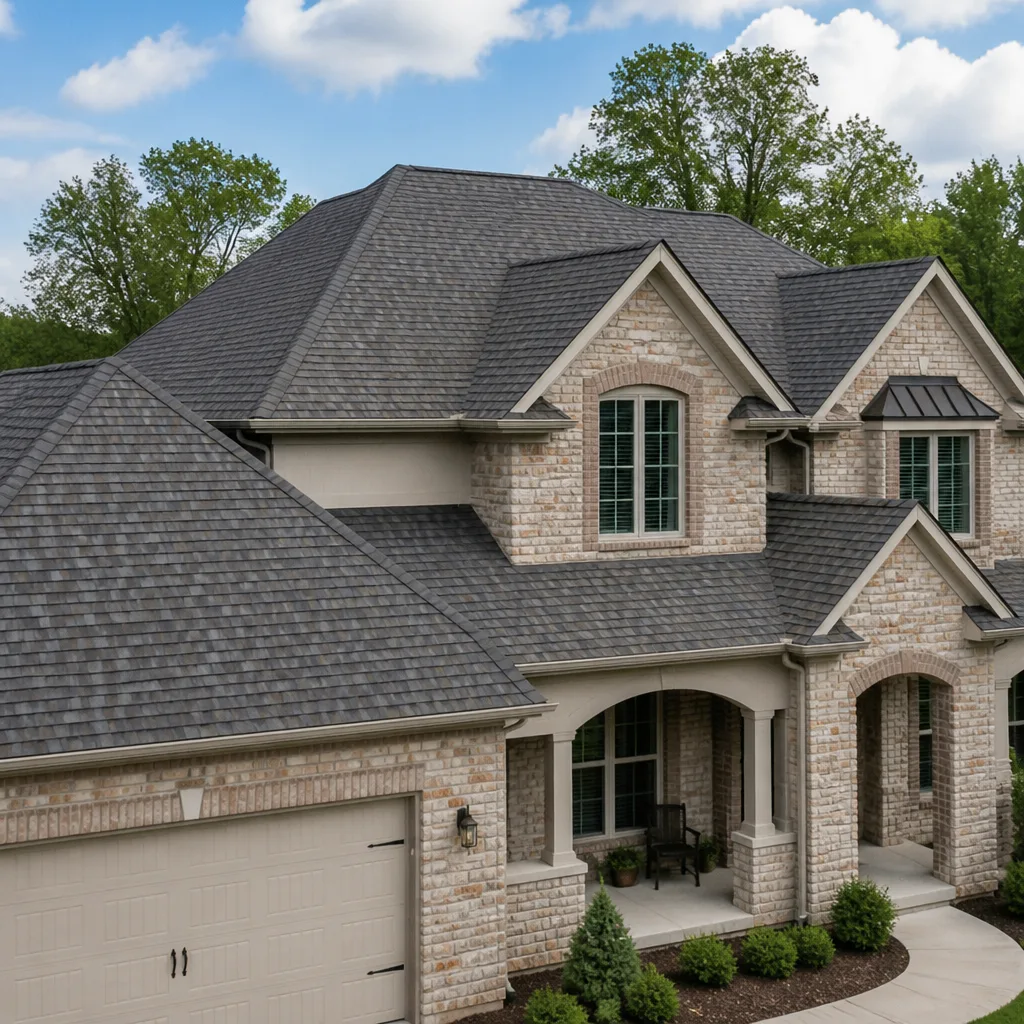 Roofing
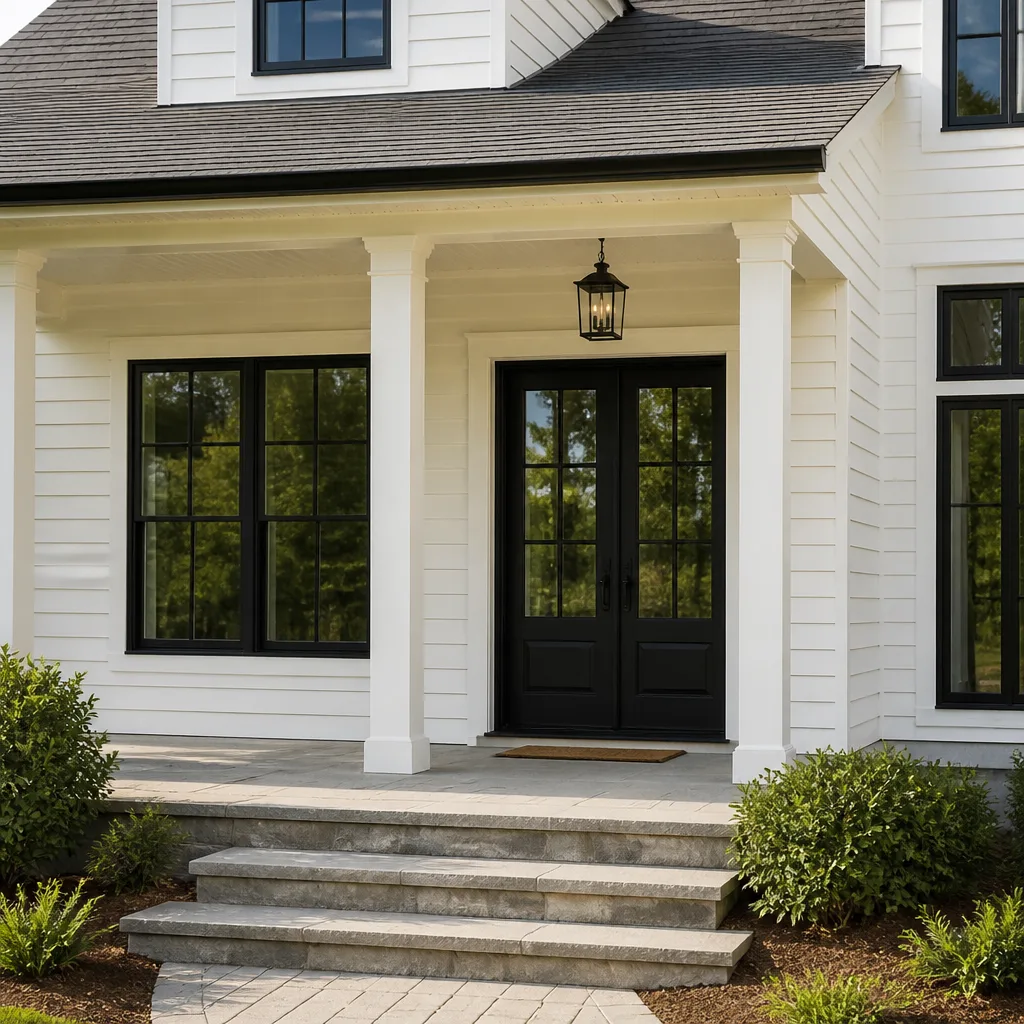 Windows & doors
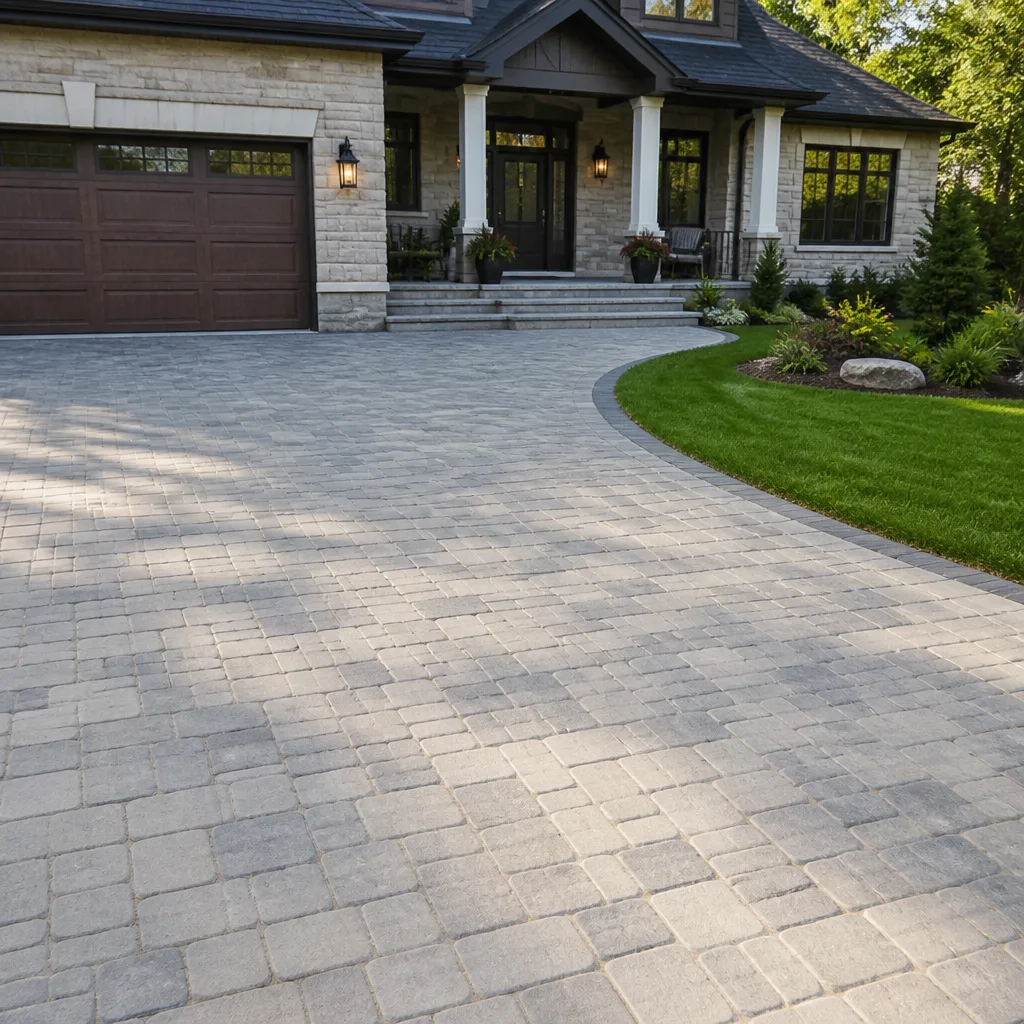 Driveway & pavers
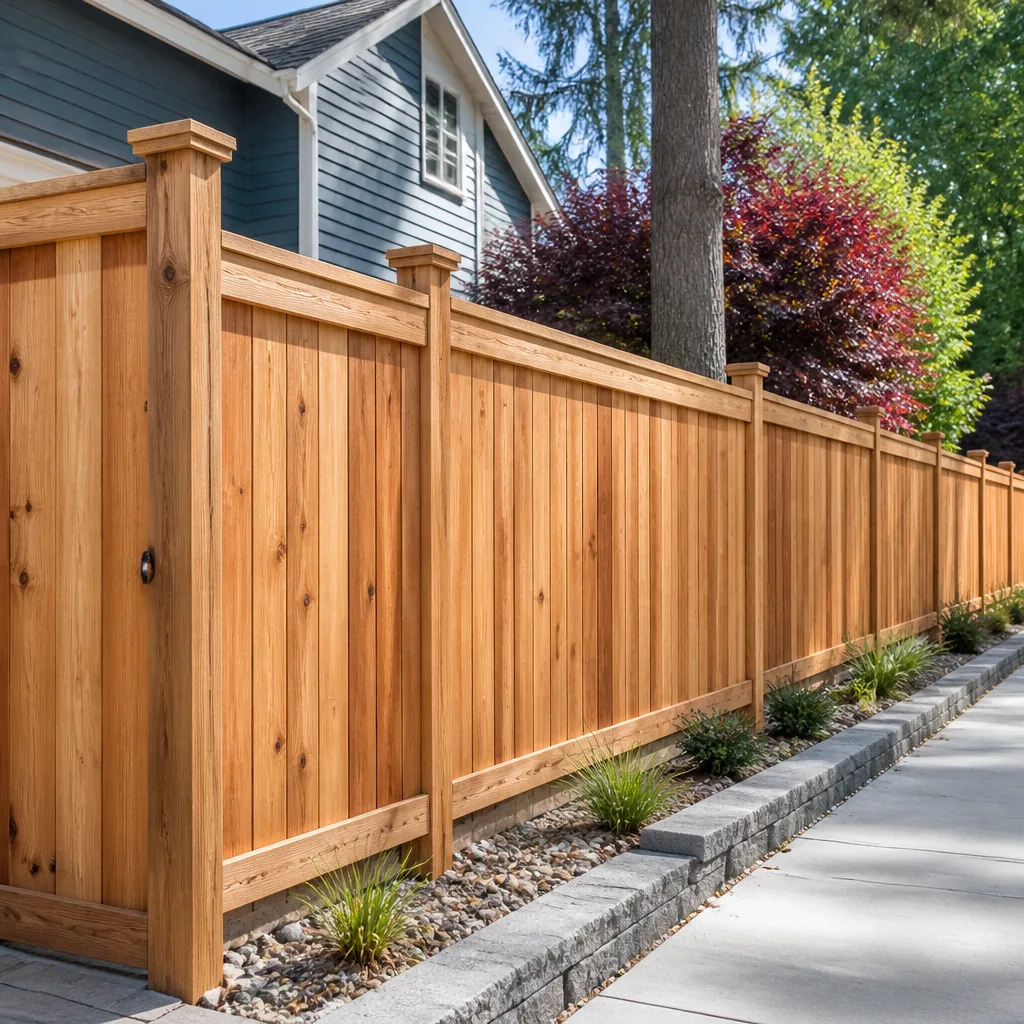 Fence
Free written scope consultation - allowances, timeline, and change-order rules on paper before a single trade is scheduled
Choosing the Right Construction Brand: A Buyer’s Guide for Torrance
Two driveways can go in on the same block, on the same day, for the same price, and one is being torn out at year 11 while the other is untouched at year 19. The difference usually isn’t the installer’s technique. It’s the material specification. One contractor specced a paver-and-sealer system rated for humidity cycling and UV exposure; the other didn’t know that category existed. In Torrance, where the climate cycles between damp mornings and bright drying afternoons, brand selection is where the gap between a contractor who knows materials and one who just sells projects becomes visible. This guide covers how to choose brands across roofing, hardscape, windows, kitchens, baths, and fencing, and how to verify you get what you specified.
Quick Answer
The right construction brand in Torrance is the one whose published specifications match your project’s real exposure, not the one with the biggest ad budget. For most residential work that means hardscape and roofing products with proven UV and moisture-cycling performance, Class A fire-rated roofing, and cabinetry and surfaces from lines that carry their own manufacturer warranties. Verify the brand is actually installed by checking delivery paperwork and labels before products go in.
Styles & brands we work with
- Kitchen remodeling
- Bathroom remodeling
- Home additions & ADU
- Roofing
- Windows & doors
- Driveway & pavers
- Fence
Table of Contents
- Why Brand Choice Matters More in Torrance Than the Brochure Says
- Hardscape and Paver Brands: What Holds Up Here
- Roofing Brands: Class A Is Table Stakes
- Drainage Components: The Brands Homeowners Never Ask About
- Windows and Doors: Spec Lines Versus Commodity Product
- Kitchen and Bath Brands: Surfaces, Cabinetry, and Fixtures
- How to Verify You’re Getting the Brand You Paid For
- Brand Specs That Matter for Resale and Insurance
Why Brand Choice Matters More in Torrance Than the Brochure Says
Manufacturer recommendations are written for the national average. Torrance isn’t the national average. The city sits in a coastal-adjacent climate with morning marine layer that burns off into intense afternoon sun, and that daily wet-dry cycle stresses exterior materials in a way that a manufacturer’s one-size general spec doesn’t capture. Sealers, color pigments, and coatings that perform fine in a dry inland climate can fade or chalk faster here. Products engineered for high sun exposure and repeated moisture cycling hold their color and structure longer.
That gap between general recommendation and local reality is exactly where a contractor’s material knowledge shows. A contractor who buys whatever is cheapest at the supply house specs to a price. A contractor who knows brands specs to an exposure. The homeowner sees the result years later, in faded pavers or a roof that’s aged past its neighbors.
The second reason brand matters here is resale. Torrance is a research-heavy market: buyers ask what brand of windows, what brand of roof, what warranty transfers. A home that documents GAF or CertainSceTeed roofing, or a kitchen specced with Cambria quartz and KraftMaid cabinetry, answers those questions before they’re asked. Cheap no-name materials become a negotiation point.
This is the core of what we do at Construction Torrance: one contractor from the driveway to the roofline, carrying material depth across seven trades so the brand decisions are made by people who know the trade, not by a sales office.
What “brand depth” actually means for a homeowner
It means options at every price point within a category, not a single upsell. Some homeowners want the premium tier; others want the value tier that still hits the performance spec. A contractor with real manufacturer relationships carries both. A contractor without them carries whatever the distributor pushes that month.
Hardscape and Paver Brands: What Holds Up Here
Concrete pavers and driveway systems are the most brand-sensitive exterior purchase most Torrance homeowners make. The base material matters, but so does the manufacturer’s color technology and the sealer system. Products from Belgard, Techo-Bloc, Unilock, Tremron, and Cambridge are engineered for load, drainage, and longevity rather than decorative-only applications, which is the distinction that separates a driveway from a patio feature.
Here’s how to think about the comparison for this climate:
- Color retention. Manufacturers that integrate pigment through the paver rather than surface-coating it hold color longer under UV. Ask specifically how the color is applied.
- Moisture cycling. A paver that takes on moisture and dries repeatedly needs a sealer rated for that cycle. A sealer spec’d for a dry climate is the wrong product here.
- Compressive strength and load rating. Driveways take vehicle load; patios don’t. The brand’s spec sheet states the rating. Ask to see it.
- Drainage integration. The paver system has to work with the drainage plan, not against it. Brand families that include matching channel drains and edge restraints simplify this.
Two manufacturers can both make a beautiful paver. Only one may be engineered for the exposure your driveway actually faces. That’s the question to put to your contractor. If you want the full picture on driveway systems, our driveway & pavers page covers base prep, drainage, and brand tiers.
Concrete pavers versus poured concrete: a brand question
Poured concrete has no real brand identity, because it’s mixed on site. Pavers do, because they’re manufactured products with published specs. When a homeowner compares quotes, they’re often not comparing the same thing: a poured slab quote and a branded paver system quote are different products with different lifespans. Ask each contractor what specification they’re quoting, and compare the specs, not just the numbers.
Roofing Brands: Class A Is Table Stakes
Every asphalt shingle you should consider for a Torrance roof carries a Class A fire rating, so treat that rating as the floor, not the selling point. A contractor who leads with “Class A” as if it’s a differentiator is telling you they don’t have much else to say. The specs that actually differentiate one roofing brand from another in this climate are wind rating, granule adhesion, and the manufacturer’s warranty structure, especially the parts that transfer to a new owner.
We work with materials from the three largest roofing manufacturers in North America: GAF, CertainTeed, and Owens Corning. Each has a tiered product line, and the tier matters more than the logo. A base-tier shingle from a major brand isn’t the same product as that brand’s premium architectural line.
What to ask about a roofing brand spec
- Which product line? Not “GAF” but “which GAF shingle.” Brand alone doesn’t tell you the tier.
- What’s the wind rating? Ask for the manufacturer’s published rating for the specific product.
- What’s the warranty and does it transfer? Manufacturer warranties vary; some transfer to the next owner, which matters for resale.
- Are the accessories the same brand? Underlayment, starter strip, and ridge vent from the same manufacturer family protect the warranty. Mixed accessories can void it.
- Is the installer credentialed? Many manufacturers require specific installation practices for their top warranty tier.
Atlas and Tamko are also worth knowing in the shingle market; both make rated products, and the same questions apply. The point isn’t a brand name on a bid. It’s a documented product spec with a warranty you can hand to a buyer or an insurance adjuster.
Drainage Components: The Brands Homeowners Never Ask About
Drainage is the least glamorous purchase on a construction project and the one most likely to cause expensive problems. A brand-name paver driveway that drains into a no-name catch basin with a weak grate is a failure waiting for the first heavy rain. In Torrance, where a dry season can be followed by concentrated storm rainfall, the water has to get somewhere, and quickly.
Brand selection on drainage matters for three reasons:
- Flow rate. Channel drains and catch basins are rated for how much water they move. A cheap basin undersized for the runoff is a puddle in your driveway and water against your foundation.
- Load class. A driveway drain needs to carry vehicle weight. A decorative grate rated for foot traffic will collapse. The manufacturer publishes the load class; ask for it.
- Compatibility. Drain components from the same system family fit together and connect to the paver edge restraint cleanly. Mixed brands leak at the joints.
Downspout extensions are the other piece homeowners overlook. A good one moves roof water well away from the foundation; a flimsy one clogs or crushes in a season. When we scope a full exterior project, drainage brand and specification get discussed up front, not retrofitted after the first storm reveals the problem.
Windows and Doors: Spec Lines Versus Commodity Product
Windows and exterior doors are where brand choice is most visible to a buyer and most consequential for energy performance. The difference between a spec-grade line and commodity big-box product shows up in frame construction, glass package, and hardware that doesn’t fail in year five. Manufactured window and door brands like PGT, CGI, and ES Windows, and entry systems like Therma-Tru, are built to published specifications for energy performance and structural rating, and those specs are checkable.
If security, noise, or storm resistance is the reason you’re replacing windows, ask specifically for impact-resistant glass, which is a product spec, not a brand claim. The brand’s data sheet states whether the unit meets the performance levels you need. Ask to see it, not just the showroom sample.
A short checklist for window and door brands
- Glass package. Ask what the energy performance rating is for the specific unit, not the product family.
- Frame material and construction. Vinyl, fiberglass, and aluminum-clad differ in how they hold up and how they fit.
- Hardware warranty. The frame warranty and the hardware warranty are often separate.
- Installation method. The best window installed wrong performs worse than a good window installed right. Ask how they flash and seal.
Kitchen and Bath Brands: Surfaces, Cabinetry, and Fixtures
Interior finishes are where brand research pays off most directly, because the manufacturer warranty comes with the product. A kitchen specced with Cambria, Caesarstone, or Silestone quartz carries that manufacturer’s surface warranty, which is a real document with real coverage terms. Cabinetry from KraftMaid or Wellborn carries its own. Fixtures from Kohler, Grohe, Toto, Moen, Blanco, Delta, or American Standard carry finish and function warranties that a builder-grade substitute does not.
We carry options at every price point within each category. The point isn’t to push premium; it’s that the homeowner should be choosing between real alternatives rather than accepting whatever default the contractor stocks.
Compare brands in a kitchen or bath on these axes:
- Manufacturer warranty. Quartz surfaces, cabinetry, and fixtures each have their own coverage and terms. Read them.
- Finish durability. Faucet and hardware finishes vary in how they wear. The brand’s spec sheet notes the finish type.
- Repairability and parts availability. A fixture brand that supports its product with replacement parts is easier to live with over a decade.
- Consistency across selections. Mixing brands is fine, but coordinating finish and color families takes a contractor who knows both lines.
Our home additions & ADU work folds these same interior specifications into larger projects. If you’re planning an addition with a kitchen or bath inside it, the brand decisions get made once, with one project team, instead of being split across a framer, a cabinet shop, and a plumber who never talk to each other.
How to Verify You’re Getting the Brand You Paid For
The single most common place a homeowner gets burned isn’t the price. It’s substitution on delivery. The bid says Cambria quartz and a GAF shingle; the truck shows up with something else. Sometimes it’s an honest supply issue and the contractor tells you. Sometimes it isn’t. The jobsite checks below catch the difference:
- Ask for the material list before delivery. Written, with brand and product line for each item. Compare it to the contract.
- Check the delivery paperwork yourself. The packing list states brand and item code. Look at it before materials are installed.
- Look for the manufacturer label on the product. Shingle bundles, paver bundles, and window units carry manufacturer labeling. Photograph it.
- Ask for the manufacturer’s product data sheet. The spec sheet for the actual product installs confidence; a generic brochure doesn’t.
- Confirm accessories match. Roofing underlayment, starter strip, and ridge vent from the manufacturer family. Drain components from the same system.
- Get the warranty documentation at close-out. Not “we’ll send it later.” The manufacturer warranty paperwork should be in your hands when the job is done.
A contractor with real manufacturer relationships doesn’t resist these checks. They expect them. If your contractor gets defensive when you ask to see the delivery paperwork, that’s the answer.
Brand Specs That Matter for Resale and Insurance
Not every brand spec matters equally. Some are genuinely interchangeable, and a homeowner shouldn’t pay a premium for a logo where the products are equivalent. Others become documentation that matters when you sell or file a claim. Here’s the split.
Specs that matter for resale and insurance
- Roofing product and warranty. Class A fire rating, wind rating, and transferable manufacturer warranty. Buyers and adjusters both ask.
- Window ratings. Energy performance and any impact rating documented on the manufacturer data sheet.
- Quartz surface and cabinetry warranties. Manufacturer-issued, in the homeowner’s file.
- Permit and inspection records. Paired with the material spec, these document the build.
Specs that are mostly interchangeable
- Basic fasteners and trim. If they meet the specified spec, brand rarely matters.
- Generic framing lumber. Graded, not branded.
- Paint and primer in many applications. The product type matters more than the logo for most repaint cycles.
The practical move is to document the specs that matter. Keep the manufacturer warranty packets for roofing, windows, and interior finishes in a home file. If you ever file an insurance claim for storm damage, that file is what makes the claim go smoothly.
Common Mistakes to Avoid
- Comparing bids with different material specs. A lower bid on commodity products isn’t a lower price for the same project. Ask each contractor for a written material list with brand and product line, and compare like for like.
- Buying the brand name without the product line. “GAF” or “Cambria” on a bid doesn’t tell you which tier you’re getting. Ask for the specific product name and the corresponding warranty terms.
- Overlooking drainage brand spec. Homeowners focus on pavers and skip the catch basins and channel drains. The drainage system decides whether the driveway survives the storm season, so ask how it’s rated for flow and load.
- Accepting a substitution without written approval. If supply forces a change, the contractor should present the substitute in writing with its spec and get your signature. Verbal swaps are how the brand you paid for disappears.
- Skipping the manufacturer data sheet. The spec sheet is the document that states performance. If a contractor can’t produce it, you don’t have a documented specification.
- Not keeping warranty documents. The manufacturer warranty is only useful if it’s in your file at resale. Ask for the paperwork at close-out and keep it with your permit records.
- Treating all brands as equivalent. Brand selection in exterior work in Torrance is a performance decision, because the local climate cycling stresses materials more than the national average spec assumes.
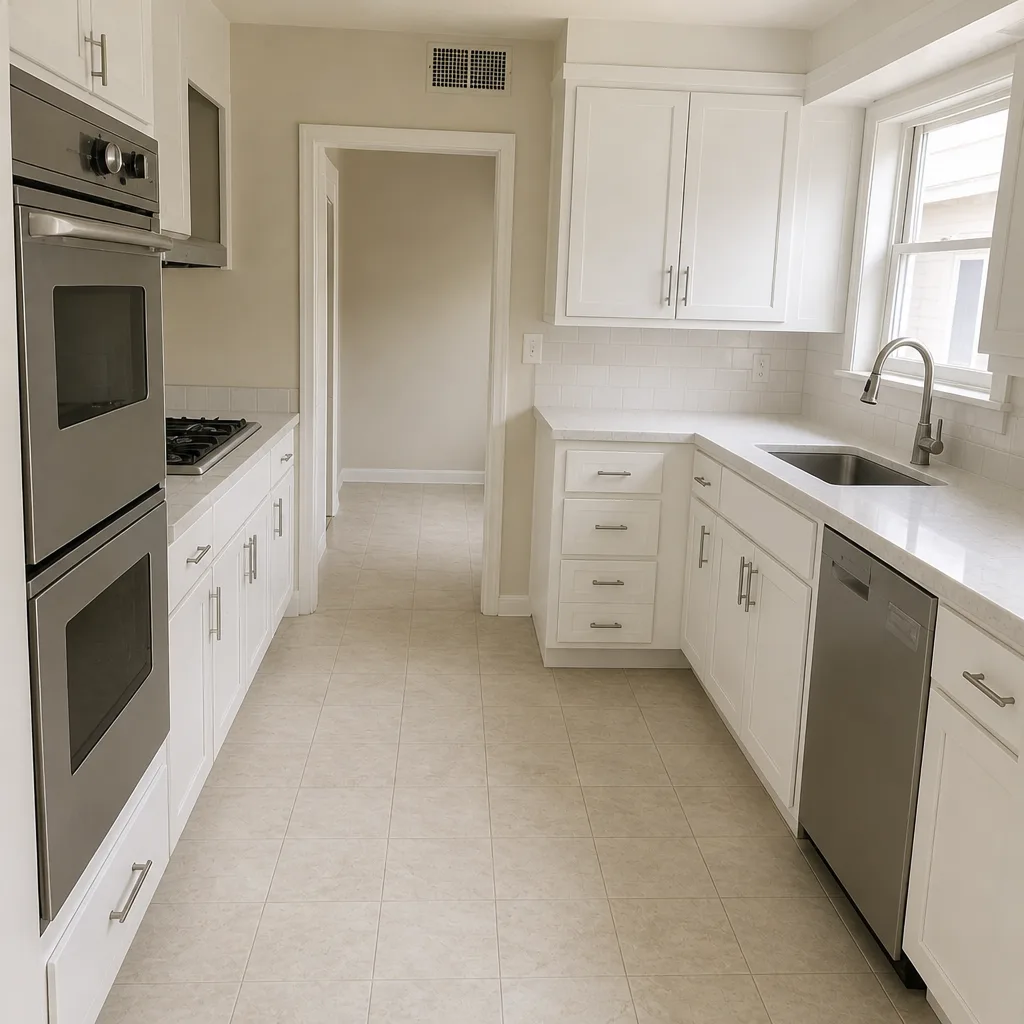
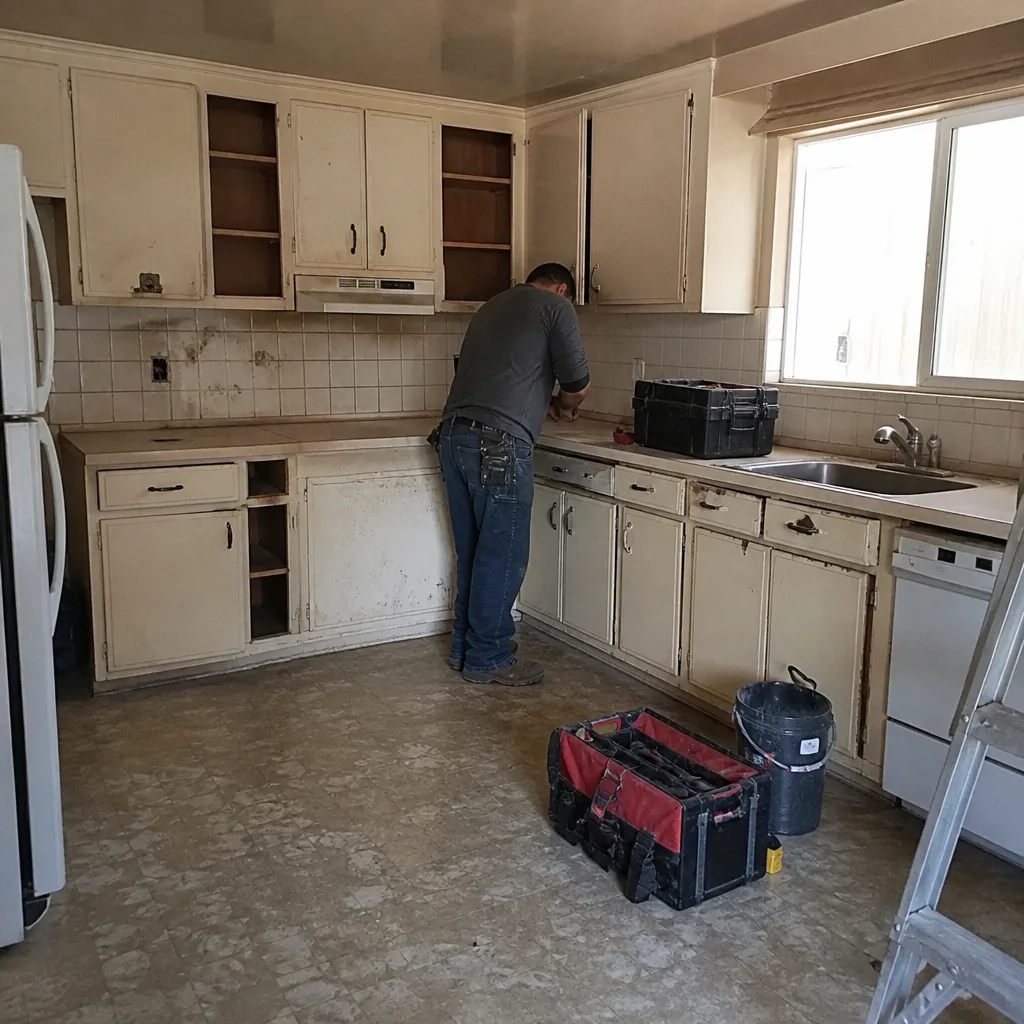
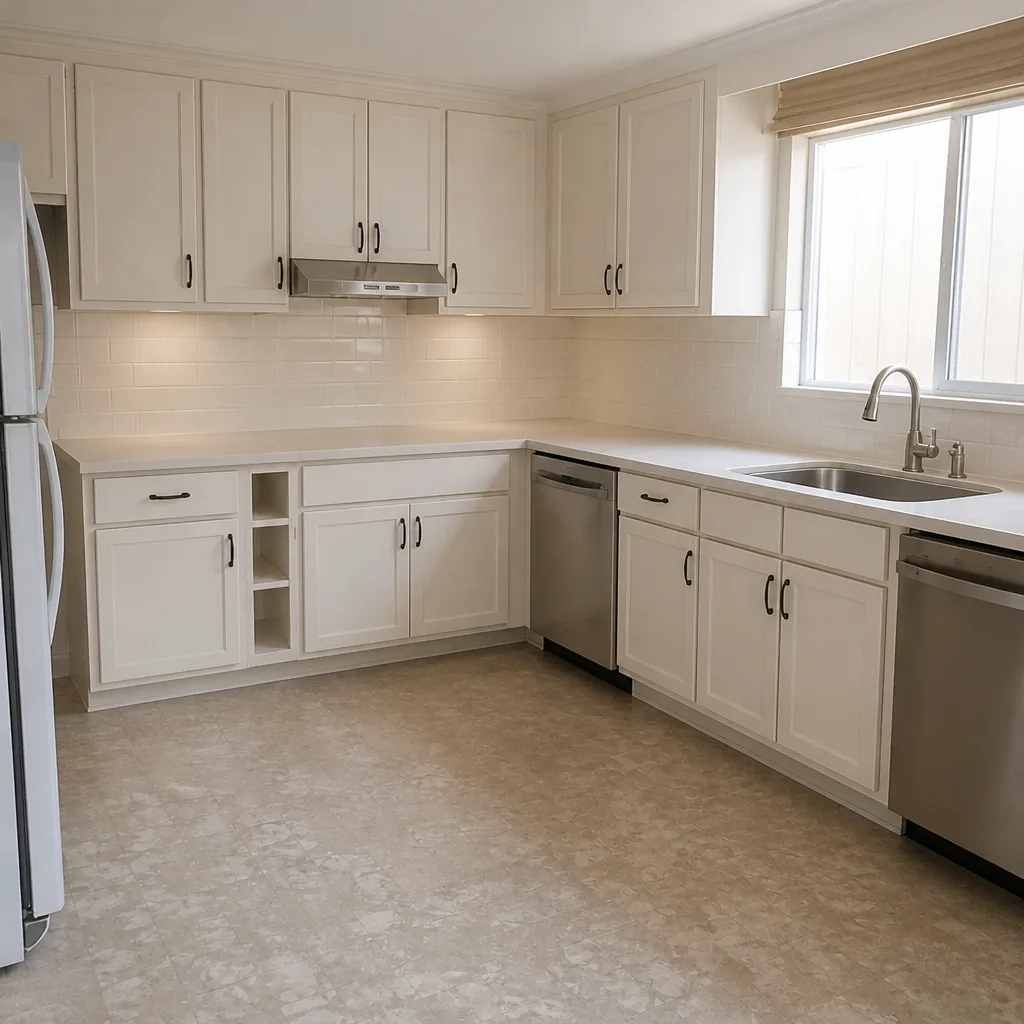
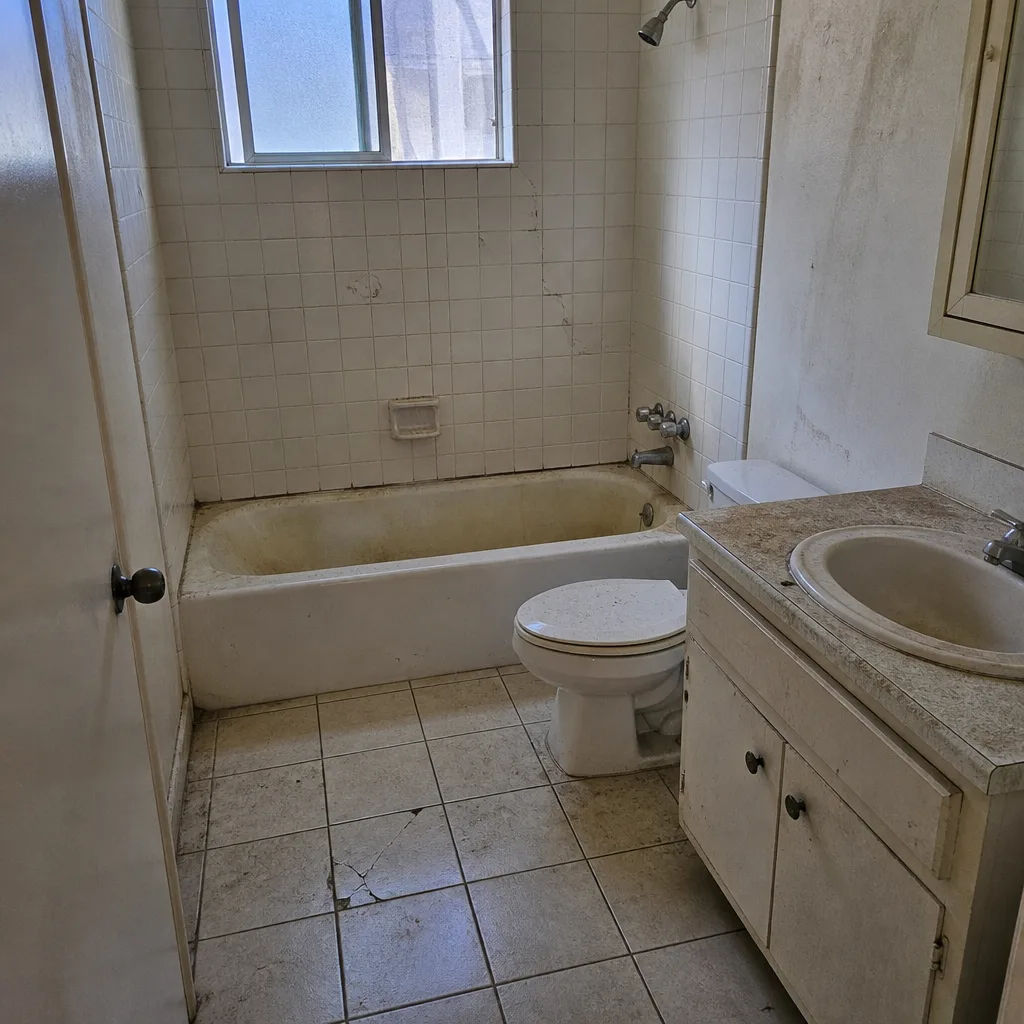
See the difference
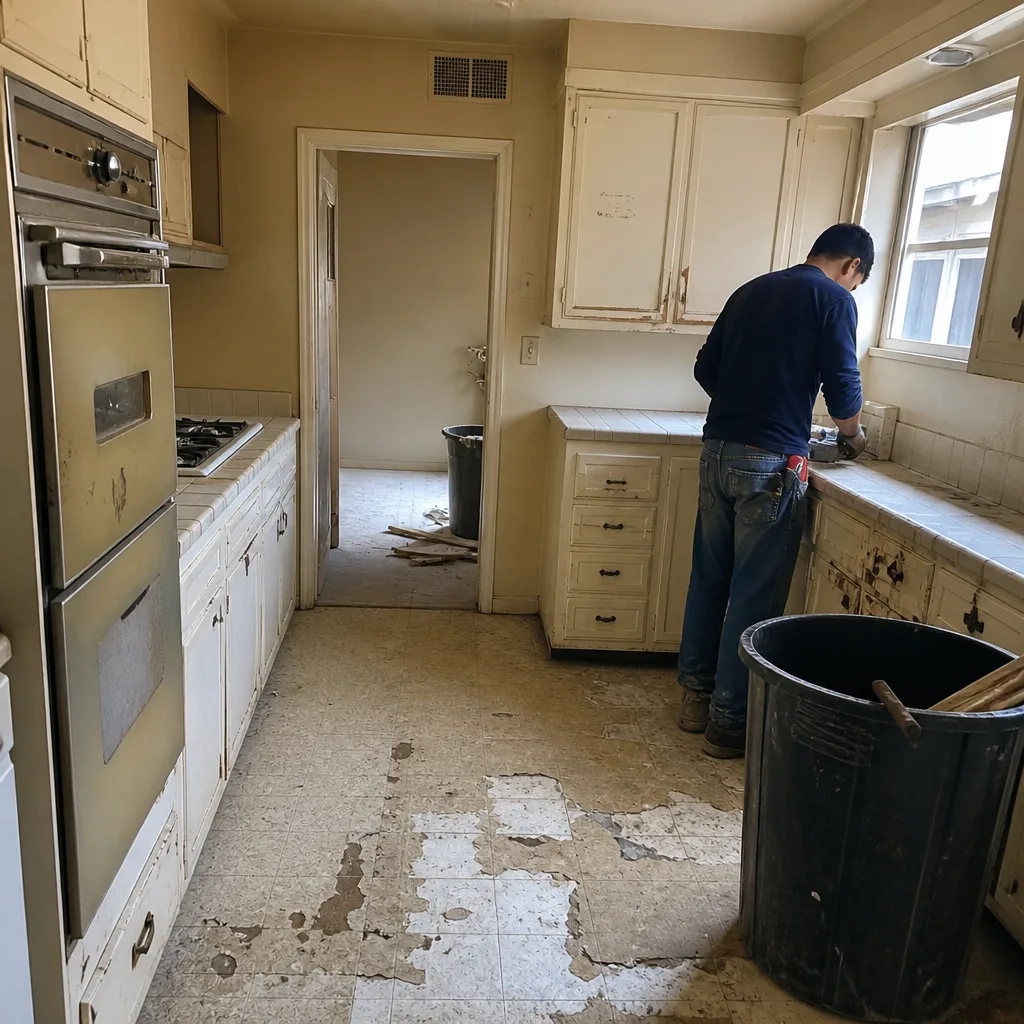 Before
 After
 Before
 After
 Before
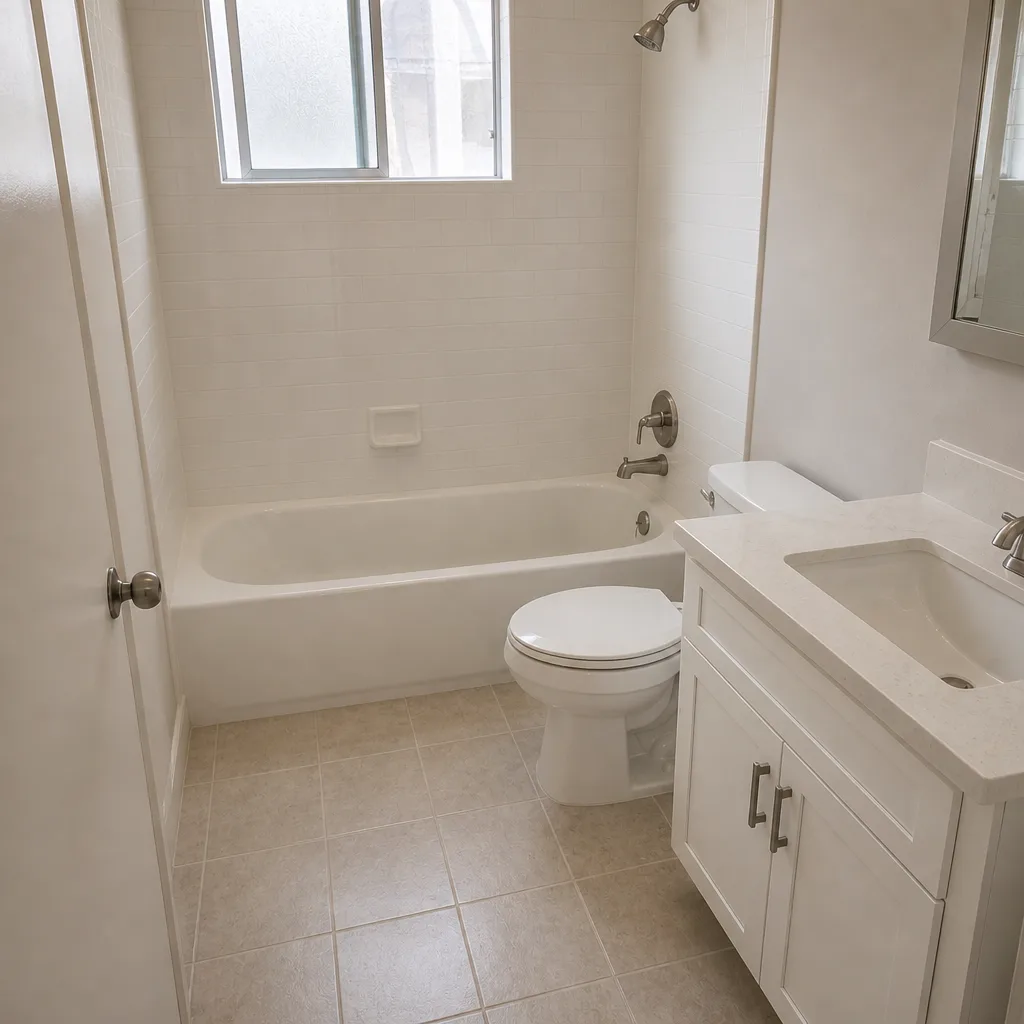 After
When to Call a Professional
Some brand decisions are easy to make alone: paint colors, hardware finishes, and the choice between two equivalent products. The brand decisions that matter for performance and resale are the ones to make with a contractor who knows the specs across multiple trades. Call a professional when your project spans more than one trade, when you’re replacing a roof or windows and need the manufacturer warranty documented, when drainage has to be coordinated with hardscape, or when an exterior project needs to hold up under this climate for a decade or more. If you’re weighing whether to coordinate a driveway, fence, and window project across separate crews, that’s the exact situation a single general contractor relationship solves. Our fence installation and other trade pages show how one team handles the brand specs across exterior work. Construction Torrance offers free estimates in Torrance – call (844) 560-5501. We answer 24/7. Fast dispatch from 7am to 7pm, Sunday through Friday.
Frequently Asked Questions
The right brands are the ones whose published specs match your project’s exposure, not the ones with the largest market share. For hardscape in Torrance, brands like Belgard, Techo-Bloc, Unilock, Tremron, and Cambridge are engineered for load, drainage, and color retention under moisture cycling. For roofing, GAF, CertainTeed, and Owens Corning all make rated products, and the product line matters more than the logo. For interiors, Cambria, Caesarstone, and Silestone quartz, KraftMaid and Wellborn cabinetry, and Kohler and Grohe fixtures carry manufacturer warranties. Call (844) 560-5501 for a free estimate – estimates are free.
Get the bid with the brand and product line specified, not with a “per plans” line. Bids that don’t name the product are hard to compare and easy to substitute. Ask each contractor to list brand, product line, and the manufacturer warranty for each major material. Then compare bids on the same specification. Call (844) 560-5501 and we’ll walk through the material list with you – estimates are free.
Ask for the delivery paperwork before materials go in, look for the manufacturer label on bundles and units, and ask for the manufacturer product data sheet for each product. At close-out, collect the manufacturer warranty documentation. A contractor with real relationships expects these checks. Call (844) 560-5501 for an exact quote – estimates are free.
Class A fire rating is table stakes, not a differentiator – nearly every shingle worth considering carries it. The specs that actually differentiate roofing brands here are wind rating, granule adhesion, and the manufacturer’s transferable warranty structure. Ask for the specific product line and its published ratings, plus the accessory products from the same manufacturer family, because mixed accessories can affect the warranty. Call (844) 560-5501 – estimates are free.
Roofing product and warranty, window energy and impact ratings, and kitchen quartz and cabinetry warranties matter for resale and insurance because buyers, adjusters, and transfer processes ask for them. Basic fasteners, graded framing lumber, and many paint applications are functionally interchangeable. Document the specs that matter and keep them in a home file. Call (844) 560-5501 for a free estimate.
Yes, if the contractor carries material depth across all those trades. That’s the value of a single project team: the brand decisions get made once, with one point of contact, instead of four separate bids with four different material specs. Construction Torrance works across seven service lines with 50+ name-brand material manufacturers, and our technicians have up to 13 years of experience. Call (844) 560-5501 for a free estimate.
The Bottom Line
Brand selection in construction materials is a performance decision, and in Torrance the exposure profile narrows the right specification more than the manufacturer’s national recommendations suggest. Class A fire rating is a floor, not a selling point. Drainage brand spec matters more than homeowners realize. Surfaces, cabinetry, and fixtures carry manufacturer warranties that become documents at resale. The through-line for all of it is verification: get the brand and product line in writing, check the delivery paperwork, and keep the warranty documentation. Do that and the brand name on the bid becomes a product you can actually hold accountable.
Get Your Free Estimate
Construction Torrance builds across seven service lines, from driveway and pavers to roofing and kitchens, under one project team and one point of contact. We work with 50+ name-brand material manufacturers across every trade and carry options at every price point, and our technicians have up to 13 years of experience. When you’re ready to compare brand specs on your project, call (844) 560-5501 to schedule your free estimate. We answer 24/7. Fast dispatch from 7am to 7pm, Sunday through Friday.
Written by the team at Construction Torrance.