
Last updated November 17, 2026
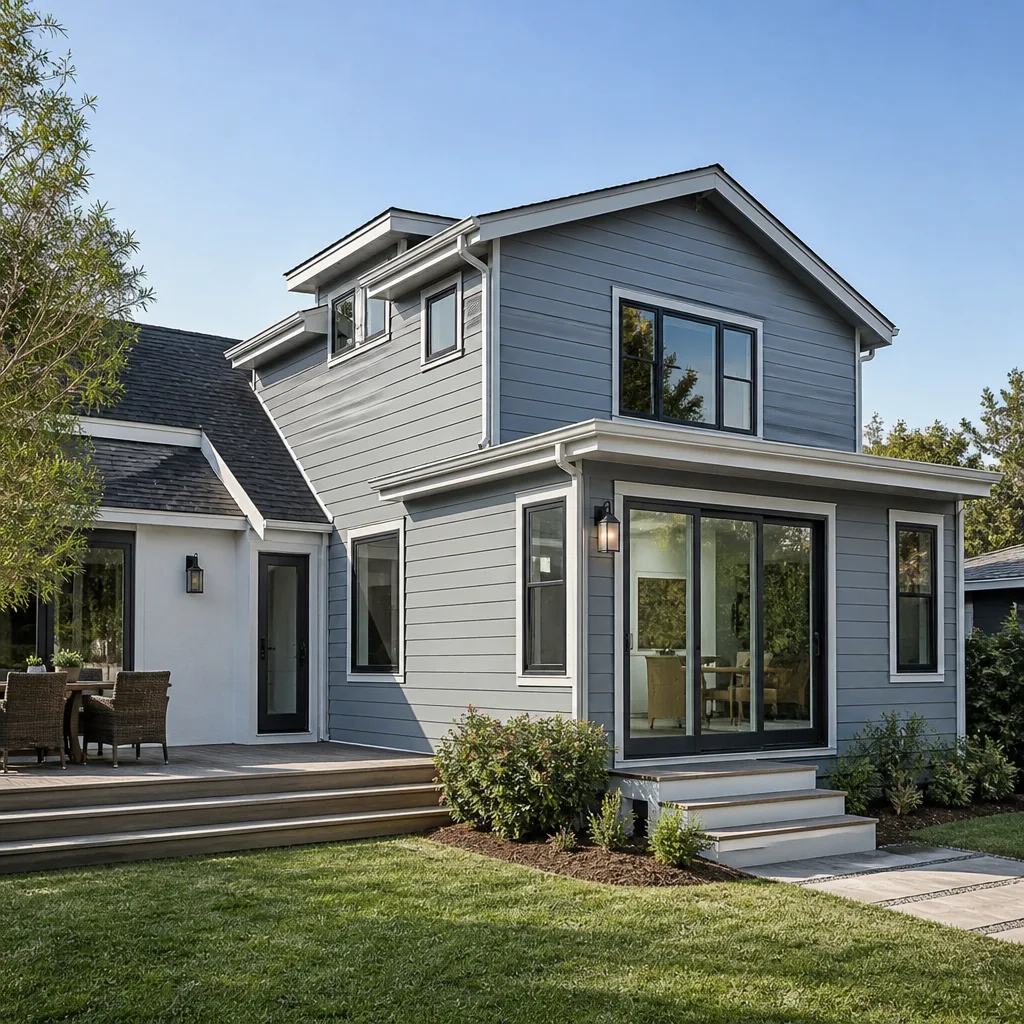 Home additions & ADU
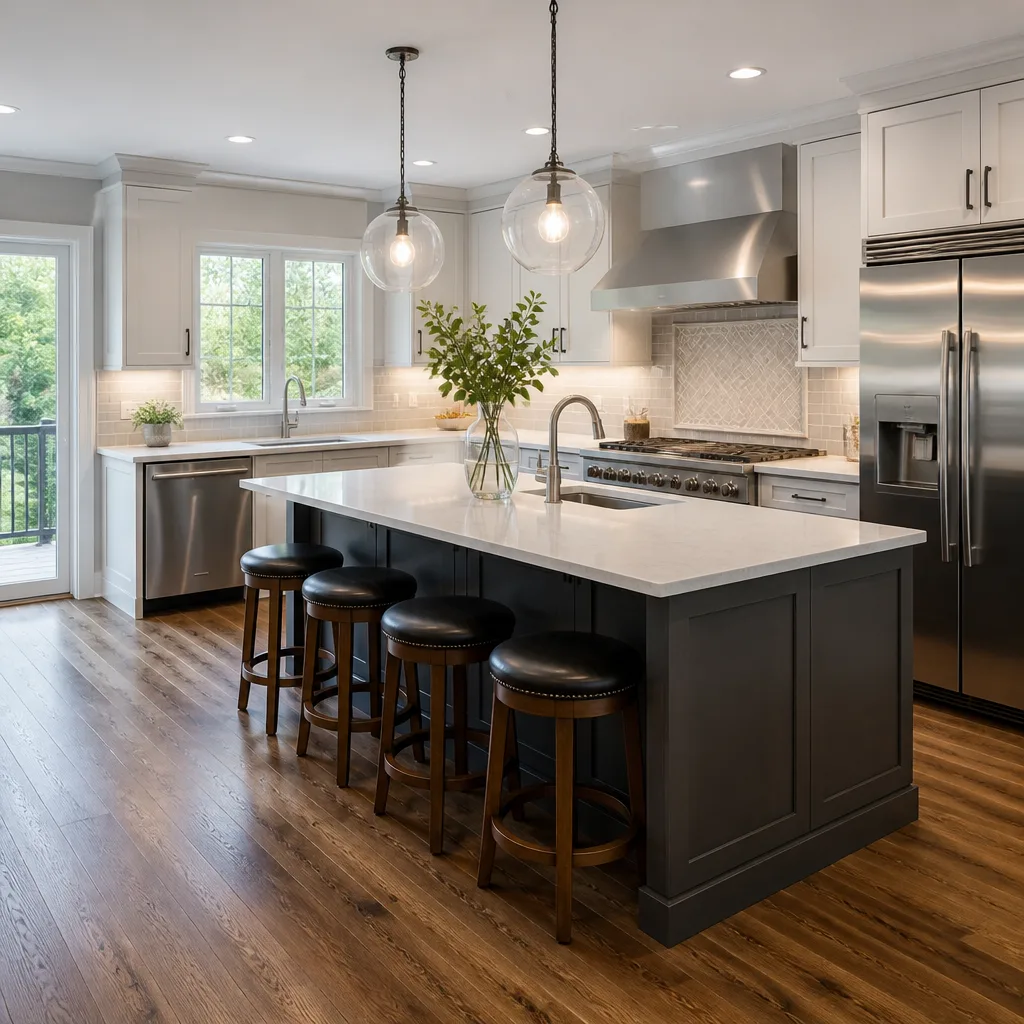 Kitchen remodeling
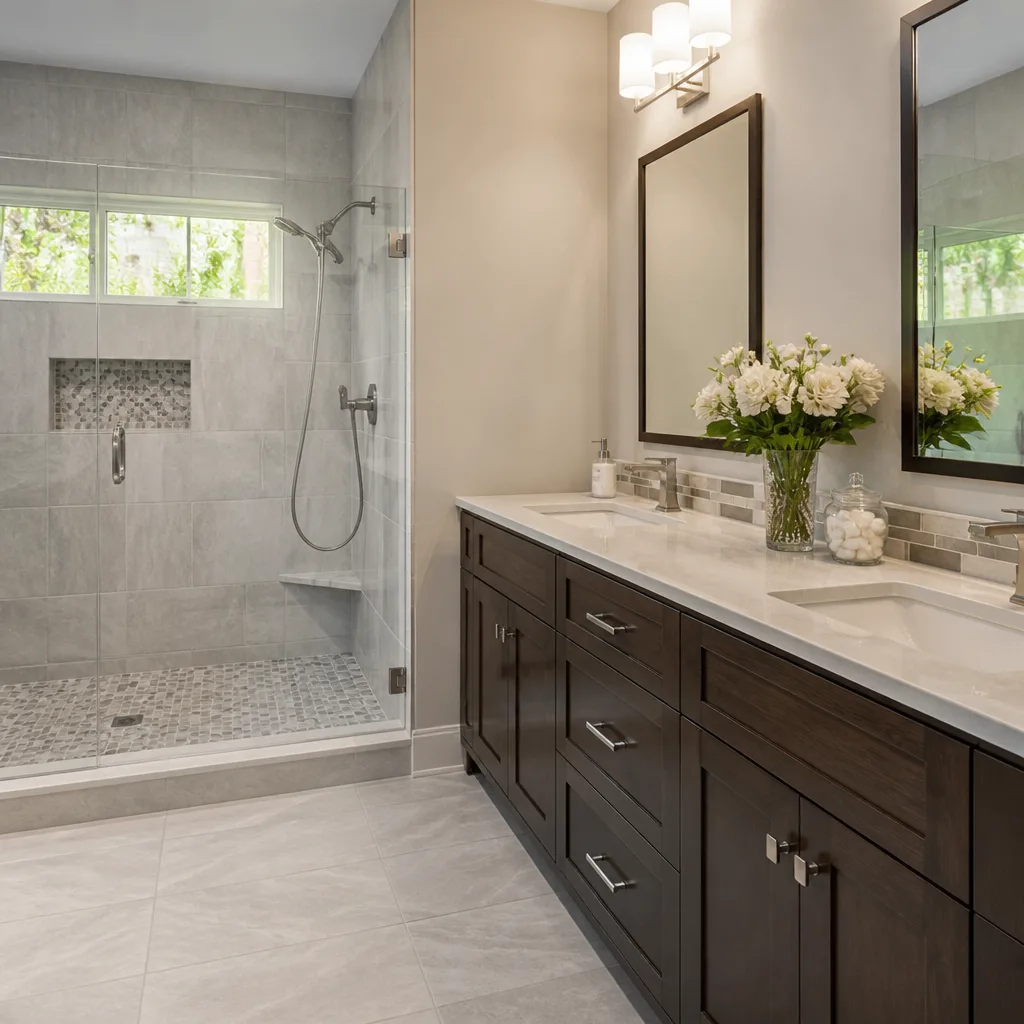 Bathroom remodeling
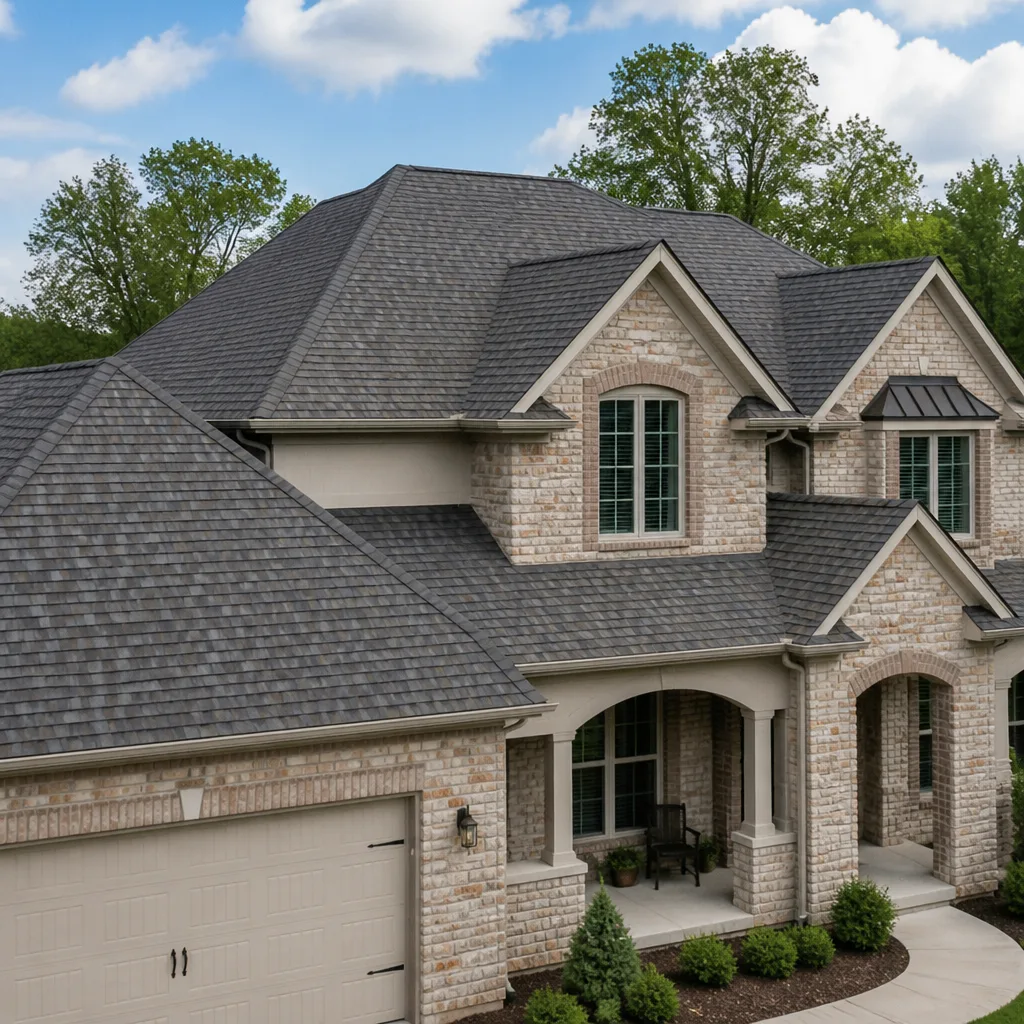 Roofing
 Windows & doors
 Driveway & pavers
 Fence
Free written scope consultation - allowances, timeline, and change-order rules on paper before a single trade is scheduled
Construction Emergency Preparedness Guide for Torrance Homes
Most homeowners think of an emergency as something that happens to the house. In Torrance, the more useful way to think about it is this: an emergency is what happens when a condition you already had finally meets the weather that exposes it. After the last major rain event to hit the South Bay, the calls that came in weren’t for brand-new damage. They were for pre-existing conditions the rain finally revealed. Failed drainage slopes. Cracked concrete that let water under a foundation. Roof penetrations that had been “fine” for three dry years. That pattern repeats because Torrance sits in a seismic zone, within wildfire smoke corridors, and in a region where one atmospheric river can test every deferred repair at once. This guide walks through the construction-specific scenarios worth planning for, so a bad week doesn’t turn into a bad year.
Quick Answer
Construction emergency preparedness for a Torrance home means knowing three things before an event: what to inspect and in what order (structure first, water second, systems third), how to make safe temporary repairs that don’t cause new damage, and how to document everything in the sequence insurers expect. The homes that recover fastest are the ones that hardened a few specific weak points in advance: drainage grading, roof penetrations, window and door seals, fence and gate anchorage, and garage or storage structures.
Styles & brands we work with
- Kitchen remodeling
- Bathroom remodeling
- Home additions & ADU
- Roofing
- Windows & doors
- Driveway & pavers
- Fence
Table of Contents
- Post-Seismic Inspection: What to Check, In Order
- Temporary Weatherproofing That Doesn’t Make Things Worse
- Drainage Failures on Torrance’s Flat-to-Slight-Grade Lots
- Documentation Protocol for Insurance Claims
- Pre-Event Hardening: Five Upgrades That Fit Torrance’s Risk Profile
- Santa Ana Wind Events and the Exterior Envelope
- How to Choose a Contractor When It Counts
- Recovery Timelines and What to Expect
Post-Seismic Inspection: What to Check, In Order
After a significant earthquake, inspect from the outside in and from the top down. The order matters because structural problems change how you handle everything else. A house with a compromised foundation shouldn’t have its water turned back on or its garage door cycled until someone qualified has looked at it.
- The exterior perimeter, on foot. Walk the full foundation line looking for new cracks wider than a hairline, separation between the foundation and the sill plate, and soil that has pulled away from the slab or stem wall. Note anything that wasn’t there before the event.
- The roofline and chimney. From the ground with binoculars, check for slipped or cracked tiles, displaced ridge caps, and any chimney separation at the roof plane. Don’t get on the roof.
- Wall openings. Look for new diagonal cracks radiating from window and door corners, and check that doors still latch and windows still close. A door that suddenly sticks can be a sign of racking in the frame.
- Interior, at the walls and ceilings. Look for fresh drywall cracks, especially those that step along seams, and any ceiling sag or separation at the crown.
- Utility connections, last. Gas smells mean evacuate and call the utility, not a contractor. Water heater strapping and flexible connectors are worth a visual check once the structure looks sound.
If any exterior step turns up something that concerns you, stop and get an assessment before re-occupying. Torrance homes vary widely in age and construction type, so a defect that’s cosmetic on one house can be a structural signal on another. When in doubt, treat it as structural until someone qualified says otherwise. That single habit prevents more damage than any checklist.
Temporary Weatherproofing That Doesn’t Make Things Worse
The goal of an emergency repair is to stop water and wind from reaching the building, not to finish the job. Every temporary measure should be reversible, and none of it should involve you on a roof or near a gas line. In our experience, the most common secondary damage after storm events comes from well-intentioned temporary fixes done unsafely.
What’s reasonable to do yourself:
- Move furniture, rugs and stored items away from wet walls and floors, and get wet material out of the house quickly.
- Place buckets and towels under active drips and photograph where they land before mopping up.
- Use heavy plastic sheeting and exterior-rated tape on the outside of a leaking window or door frame, not on the inside, so water drains away rather than being trapped.
- Clear visible debris from gutter downspouts and from the low point where water is pooling, standing on solid ground.
- Turn off water at the fixture or the main if a supply line is running.
What not to do: don’t climb onto a wet or wind-blown roof to tarp it yourself, don’t seal a roof leak from the attic side with household products, and don’t caulk over wet substrates. Sealing in moisture causes rot and mold that costs far more than the original leak. Don’t sandbag against a wall without a plan for where the water will go next, and don’t open or drill anything that looks structural to let water out. If the fix requires height, a ladder, or anything near electrical, that’s a call, not a task. Call (844) 560-5501 and we’ll talk through what’s safe to do while you wait. We answer 24/7. Fast dispatch from 7am to 7pm, Sunday through Friday.
Drainage Failures on Torrance’s Flat-to-Slight-Grade Lots
Torrance lots are mostly flat to slightly graded, which is comfortable for living and unforgiving for drainage. When there’s no meaningful slope, water doesn’t run off; it ponds, finds the lowest point, and sits against whatever is there. In a heavy rain event, the low point is very often the foundation edge, a garage slab, or the base of a fence line.
The failure scenarios we see most often:
- Reverse-sloped hardscape. A driveway, patio or paver surface that drains toward the house rather than away. Usually invisible until water arrives, and often the result of a previous installation done without a drainage plan.
- Blocked or undersized area drains. A single drain serving more surface than it can handle, or a drain line clogged with sediment and yard debris.
- Downspouts discharging at the wall. Gutters that dump water right against the stucco and footing instead of carrying it away.
- Planter beds built against the house with no gap. Soil and mulch holding moisture against the wall and sill, which is exactly where you don’t want it.
Emergency diversion, done safely: create a path for water to leave the immediate area using sandbags or rolled plastic on the ground surface, never against the wall in a way that traps water. Direct flow toward a lawn, a landscaped swale, or the street, whichever is downhill. Don’t dig a trench against the foundation to relieve it, and don’t cut into a hardscape surface to create a channel. Both create new problems. Long term, the fix is a proper grading and drainage design, which is where a coordinated driveway & pavers scope often makes sense: surface, slope and drainage planned together rather than as three separate jobs.
Documentation Protocol for Insurance Claims
Document in a fixed sequence: photograph before you touch anything, write down what you saw, then get contractor estimates, then file. Doing it out of order is the single biggest reason claims get held up. Adjusters want to see the condition of the property before cleanup, and they want estimates that describe the damage, not just a number.
- Wide shots first, then close-ups. Photograph each affected area from several feet back to establish context, then close enough to show scale. Put a coin or tape measure next to a crack for reference.
- Photograph the cause, not just the symptom. The failed downspout, the reverse-sloped slab, the tree branch. Cause photos support the claim.
- Record water lines and dates. Mark how high water reached on a wall or cabinet with a photo and a note. Write the date and time of every observation.
- Keep a written log. A simple notebook with dated entries covering what happened, who you called, and what was done. This carries more weight than it seems like it should.
- Get written, itemized contractor estimates. Line-item scopes that separate temporary mitigation from permanent repair. Ask for both.
- Keep receipts for everything. Materials, temporary rentals, anything you spent to protect the property.
Don’t discard damaged material until the adjuster has seen it or given the go-ahead, and don’t sign anything from a contractor before your insurer has the full picture. We can work with your insurer and provide written, line-item estimates that hold up to review, and there’s no charge for that estimate.
Pre-Event Hardening: Five Upgrades That Fit Torrance’s Risk Profile
Hardening is cheaper than recovery, and in Torrance it doesn’t require a bunker mentality. Five upgrades address the specific risks this area actually carries: seismic movement, heavy rain events, and Santa Ana winds.
- Drainage and grading corrections. Regrade so water leaves the foundation, replace failed drains, and extend downspouts well away from the wall. This is the highest-return item on the list because it addresses the most common failure.
- Roof penetration and flashing upgrades. Every vent, skylight and chimney is a weak point in wind and rain. Re-flashing with quality materials, held to manufacturer spec, closes the gap. Roofing systems from GAF, CertainTeed and Owens Corning give you a real baseline for warranty and performance.
- Window and door replacement with proper sealing. New units installed with correct flashing and sealant keep wind-driven rain out and reduce smoke infiltration. Energy-efficient and impact-rated lines from PGT, CGI, ECO Window Systems, Therma-Tru and ES Windows are worth comparing, because the install detail matters as much as the product.
- Fence and gate anchorage. Wind events take out fences that were set in shallow post holes with no bracing. Deep-set posts, proper hardware, and a gate that latches securely are simple, durable improvements.
- Detached structure anchoring. Sheds and storage buildings should be anchored to the ground, and a quality prefab unit like a Tuff Shed spec’d for the site does that job properly from day one. For larger auxiliary structures, the prefab systems available through our home additions & ADU work (Abodu, Dvele, Mighty Buildings, Boxabl, Plant Prefab) are engineered and anchored rather than site-built, which matters in a seismic area.
Only some of these need permits, and the rules vary. Most cities require a permit for structural work, roof replacement and some exterior alterations, so check with Torrance’s building department before you start. If you’d rather not sort it out alone, that’s a conversation we’re glad to have.
Santa Ana Wind Events and the Exterior Envelope
Santa Ana winds bring the opposite problem from rain: dry, sustained, gusting pressure on everything attached to the outside of the house. The exterior envelope is only as strong as its weakest fastening point, and wind finds it. Roof edges, ridge caps, fascia, gutters, fence panels and gate hardware all take the load.
Before wind season, a ground-level check takes twenty minutes:
- Look at the roof edges and ridge from the ground for lifted or missing shingles or tiles.
- Check that gutters are fastened tight and haven’t started to pull away at the fascia.
- Test every gate for latch security and hinge tightness.
- Look at fence posts for leaning or soft wood at the base.
- Confirm that exterior fixtures, satellite mounts and anything hung on the wall is firmly attached.
During a wind event, stay off the roof and away from windows on the windward side. If something comes loose, secure the interior and wait. After the wind passes, check for lifted roofing, cracked stucco at corners, and fence panels that have shifted. Wind damage that looks minor often shows up as a water problem in the next rain, so catching it early matters. Siding and trim choices play a role here too: fiber cement products like James Hardie hold fasteners and resist impact better than many older materials, which is why they show up in wind-exposed areas.
How to Choose a Contractor When It Counts
In an emergency, the temptation is to hire the first person who answers. That’s exactly when to slow down by an hour. A contractor who can’t produce a written, itemized estimate before starting is a contractor who will create a second emergency.
What to ask for:
- A written line-item estimate separating temporary mitigation from permanent repair.
- Confirmation that the company is licensed and insured, and that permits will be pulled where the work requires them.
- Specific material brands and product lines, not “builder grade” or “as discussed.”
- A clear scope boundary: what’s included, what isn’t, and how change orders are handled.
- Whether they can coordinate multiple trades, or whether you’ll be managing several contractors yourself.
The coordination question matters more than most homeowners expect. A storm that damages a roof, a fence and a window line creates three separate trades and three separate schedules. One project team from the driveway to the roofline is a real advantage in that situation, and it’s the reason Construction Torrance runs seven service lines under a single relationship: driveway and pavers, fencing, additions and ADUs, bathrooms, windows and doors, roofing, and kitchens, all with one point of contact and one accountability line. Our technicians have up to 13 years of experience, and we carry options at every price point within each category.
Recovery Timelines and What to Expect
Recovery runs in phases, and knowing them keeps you from making rushed decisions. The first phase is stabilization: stop the water, secure the openings, document. The second is assessment: contractor estimates, insurer review, scope agreement. The third is repair, and its length depends entirely on material lead times and permit timelines.
What drives the timeline:
- Permits. Structural repairs, roof replacement and additions generally require a permit and an inspection. Ask your city’s building department about current review times before you commit to a date.
- Material availability. Standard roofing and window lines move quickly; specialty cabinetry or custom surfaces take longer. Brand choice affects scheduling, which is worth knowing up front.
- Scope coordination. Work that involves two or three trades takes longer to sequence than a single-trade repair, but it finishes as one project rather than three partial ones.
Two habits make the whole process smoother. First, get the written estimate before authorizing anything, so the price is set per job and doesn’t drift. Second, keep your documentation log current through the entire process, not just the first week. Insurers respond faster to a clean file. And if the scope grows past a repair into something like a kitchen or bath rebuild, that’s a planned project, not an emergency, and it deserves a real design conversation rather than a rushed one.
Common Mistakes to Avoid
- Climbing on the roof during or right after a storm. Wet roofing, wind gusts and ladders are a genuinely dangerous combination. Check from the ground and call for anything that needs height.
- Cleaning up before photographing. Once damaged material is in the dumpster, the claim gets much harder. Photograph first, every time.
- Caulking or sealing over wet surfaces. It traps moisture and turns a leak into rot and mold. Dry first, seal second, and let a professional decide if the substrate is sound.
- Diking water against the house instead of diverting it away. Sandbags placed wrong make the problem worse by holding water at the wall. Aim for the path of least resistance away from the foundation.
- Hiring the first responder without a written estimate. Emergency pricing should still be documented line by line. If someone won’t put it in writing, keep calling.
- Ignoring small exterior damage after a wind event. A lifted shingle or a shifted fence panel in Torrance becomes a water intrusion problem at the next rain event. Fix it while it’s small.
- Assuming a repair is cosmetic. Cracks that appear after seismic movement can be structural signals. When in doubt, get an assessment before re-occupying.
See the difference
 Before
 After
 Before
 After
 Before
 After
When to Call a Professional
Call when the work involves height, structure, water entry you can’t stop, or anything near electrical or gas. Call when a crack, separation or sag appears anywhere you didn’t expect it, especially after seismic activity. Call when water is reaching the foundation, when a window or door has failed, when a fence or gate is leaning over a walkway, or when you’re not sure whether the damage is cosmetic. Those are exactly the situations where a wrong first move costs the most. Construction Torrance offers free estimates in Torrance – call (844) 560-5501. We answer 24/7. Fast dispatch from 7am to 7pm, Sunday through Friday. Every estimate is written and itemized, with fixed pricing and no change orders, and we pull permits and pass inspections where the work requires them.
Frequently Asked Questions
Check the exterior foundation line first, then the roofline and chimney from the ground, then wall openings, then interior walls and ceilings, and utilities last. Structural findings come before everything else because they determine whether it’s safe to turn water back on or stay in the house. If anything looks structural, stop and get an assessment before re-occupying. Call (844) 560-5501 for a free evaluation – estimates are free.
No, not if it requires getting on the roof, especially in wind or on wet surfaces. Temporary weatherproofing should be done from the ground or by a trained professional, and it should never trap moisture against the structure. Photograph the leak from inside and out, place buckets, and call for help. Call (844) 560-5501. We answer 24/7. Fast dispatch from 7am to 7pm, Sunday through Friday.
Reverse-sloped hardscape is the most common: driveways, patios or paver surfaces that drain toward the house instead of away from it. Blocked area drains and downspouts discharging at the wall run close behind. All three are invisible until a heavy rain event, which is why grading and drainage are worth checking before the rainy season rather than after. Call (844) 560-5501 to schedule a free estimate on a drainage correction.
Photograph wide shots and close-ups before cleaning anything, photograph the cause as well as the symptom, record water lines and dates in a written log, get itemized written contractor estimates separating temporary and permanent repair, and keep every receipt. The sequence matters more than the volume. We can work with your insurer and provide line-item estimates, free of charge.
Usually yes for structural repairs, roof replacement and most exterior alterations, though the rules vary by scope. Check with Torrance’s building department before work starts, or ask a licensed contractor to confirm the permit requirements for your specific job. We pull permits and pass inspections where the work calls for it, and that’s part of the estimate.
No. We work from a written, line-item estimate with fixed pricing and no change orders, so the number you approve is the number you pay for that scope. If you want to add to the project later, that’s a new written estimate, not a surprise line item. Call (844) 560-5501 for an exact quote – estimates are free.
The Bottom Line
Torrance construction emergencies are rarely surprises. They’re deferred conditions meeting weather: a drainage slope that was always wrong, a roof penetration that was always marginal, a fence post that was always shallow. Inspect in order (structure, water, systems), make only temporary repairs that are safe and reversible, document before you clean, and harden the five areas that matter here: drainage, roof penetrations, window and door sealing, fence anchorage, and detached structure anchoring. Do the small work before the big event, and the big event stays small. Our technicians have up to 13 years of experience, we carry options at every price point, and the written estimate sets the price.
If something on this list already looks like a call rather than a checklist item, call (844) 560-5501. We answer 24/7. Fast dispatch from 7am to 7pm, Sunday through Friday. Estimates are free, written and itemized, and one project team can take it from the driveway to the roofline.
Written by the team at Construction Torrance.