
Last updated November 17, 2026
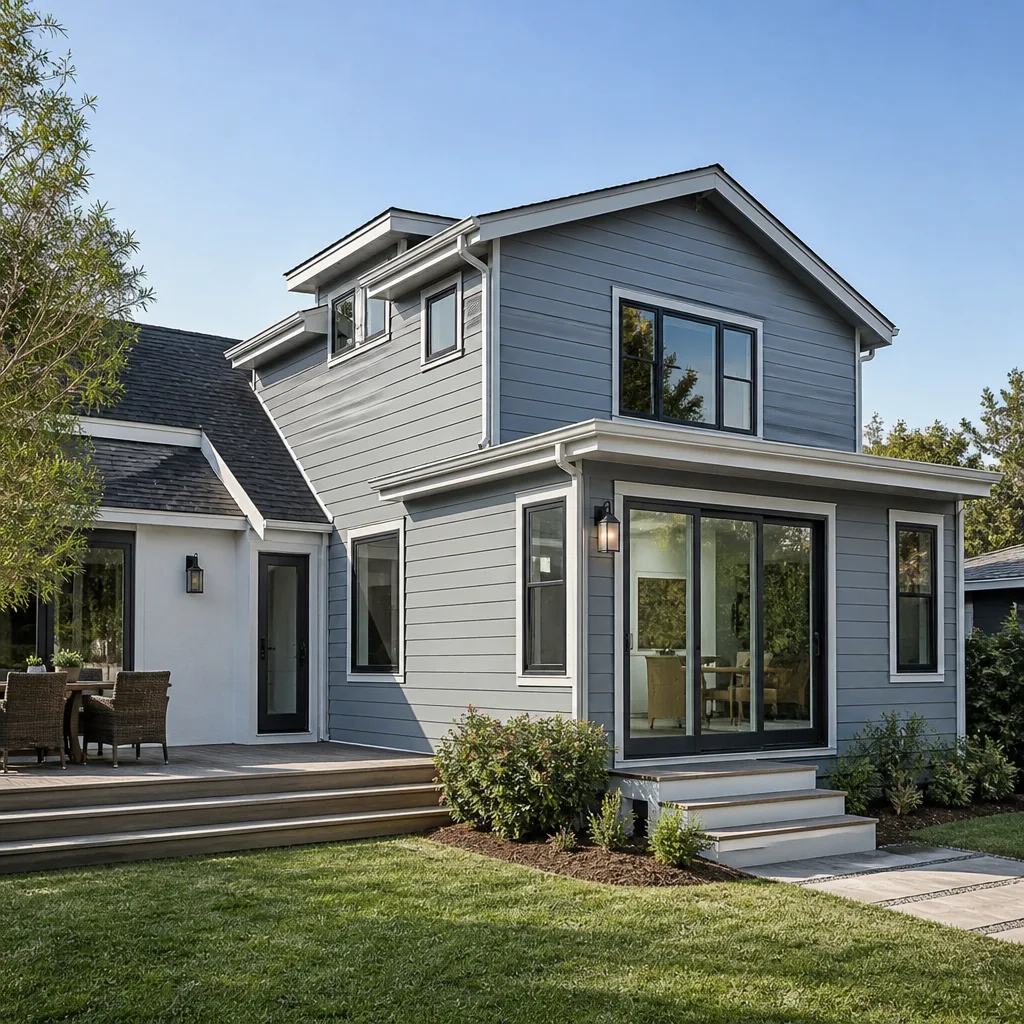 Home additions & ADU
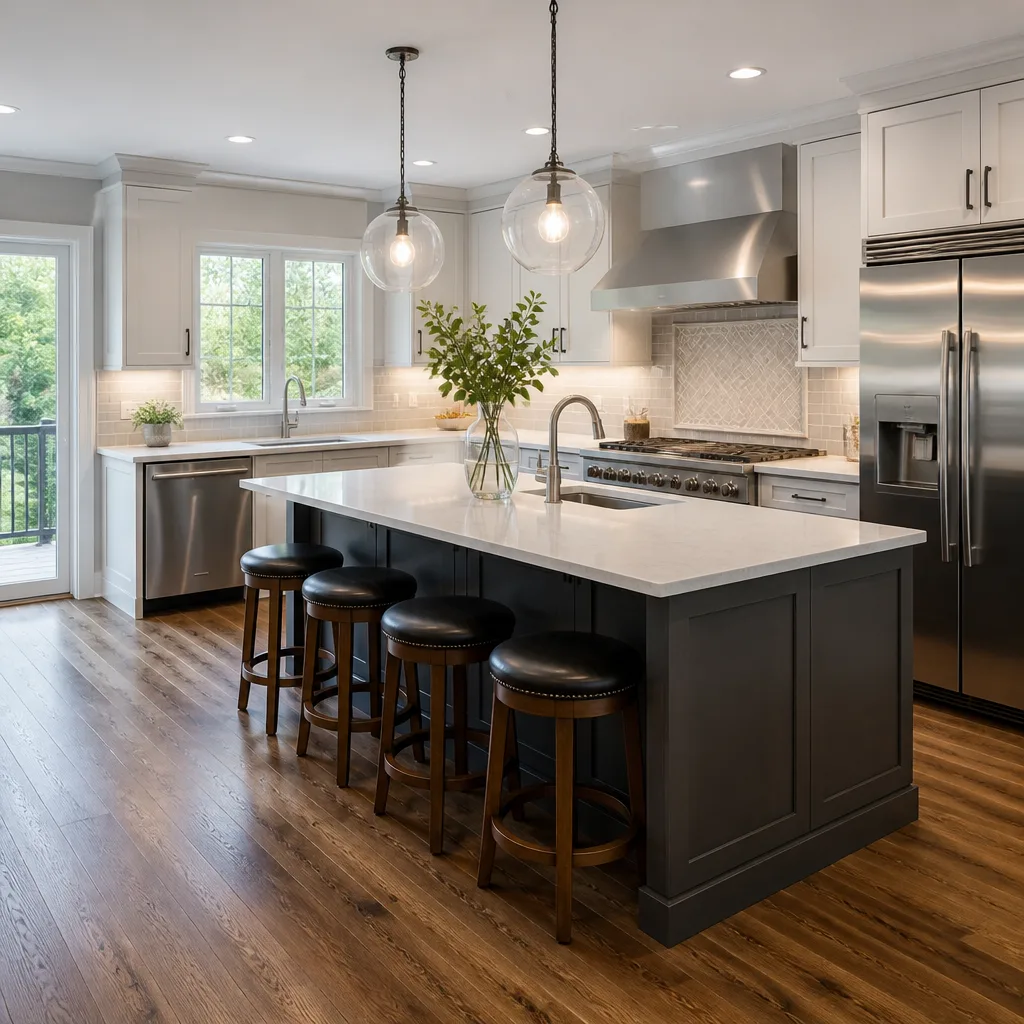 Kitchen remodeling
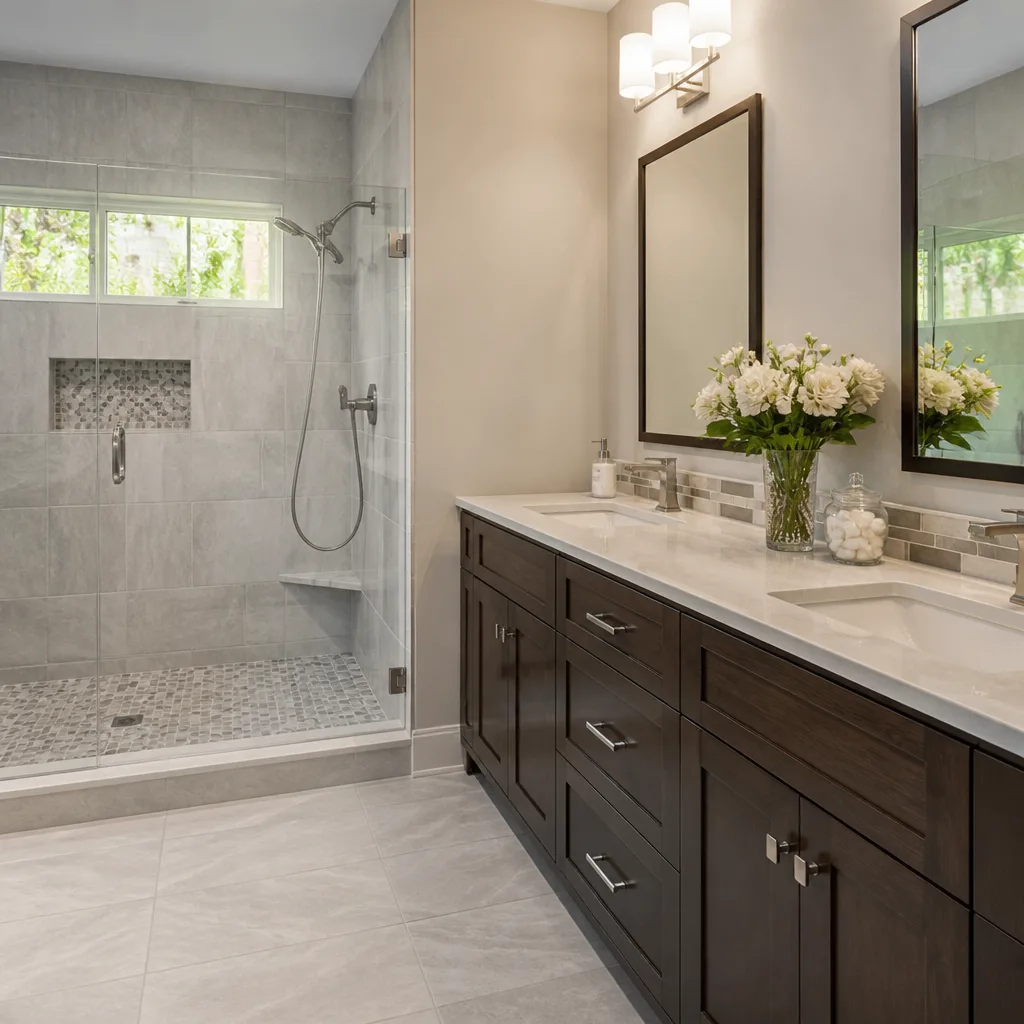 Bathroom remodeling
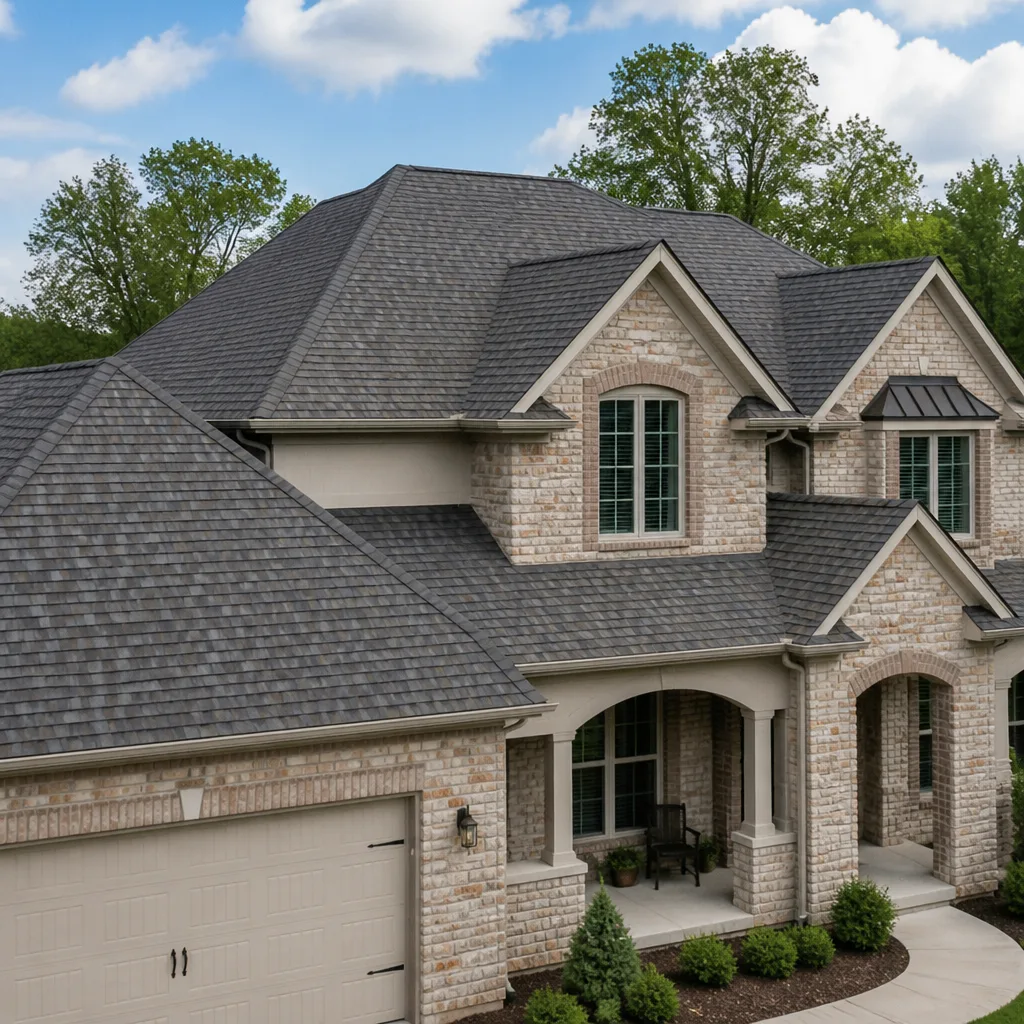 Roofing
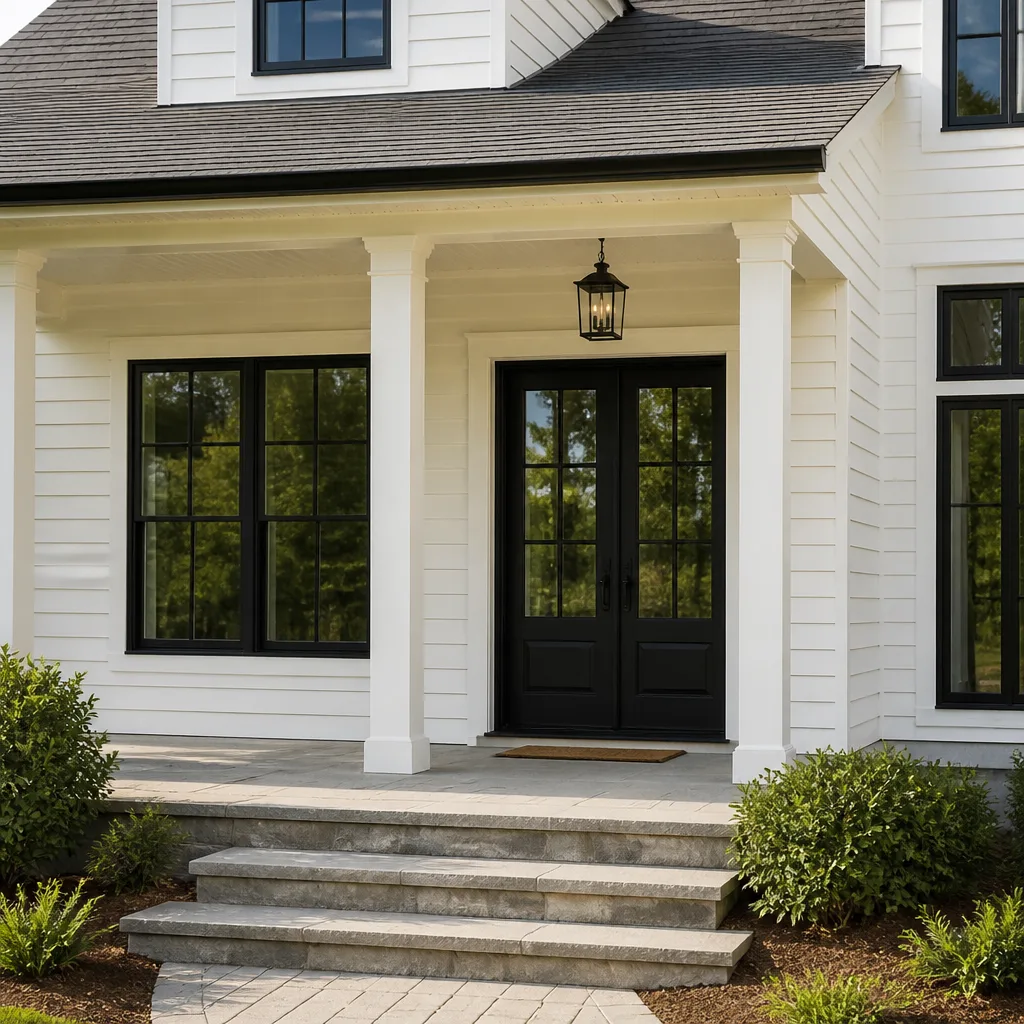 Windows & doors
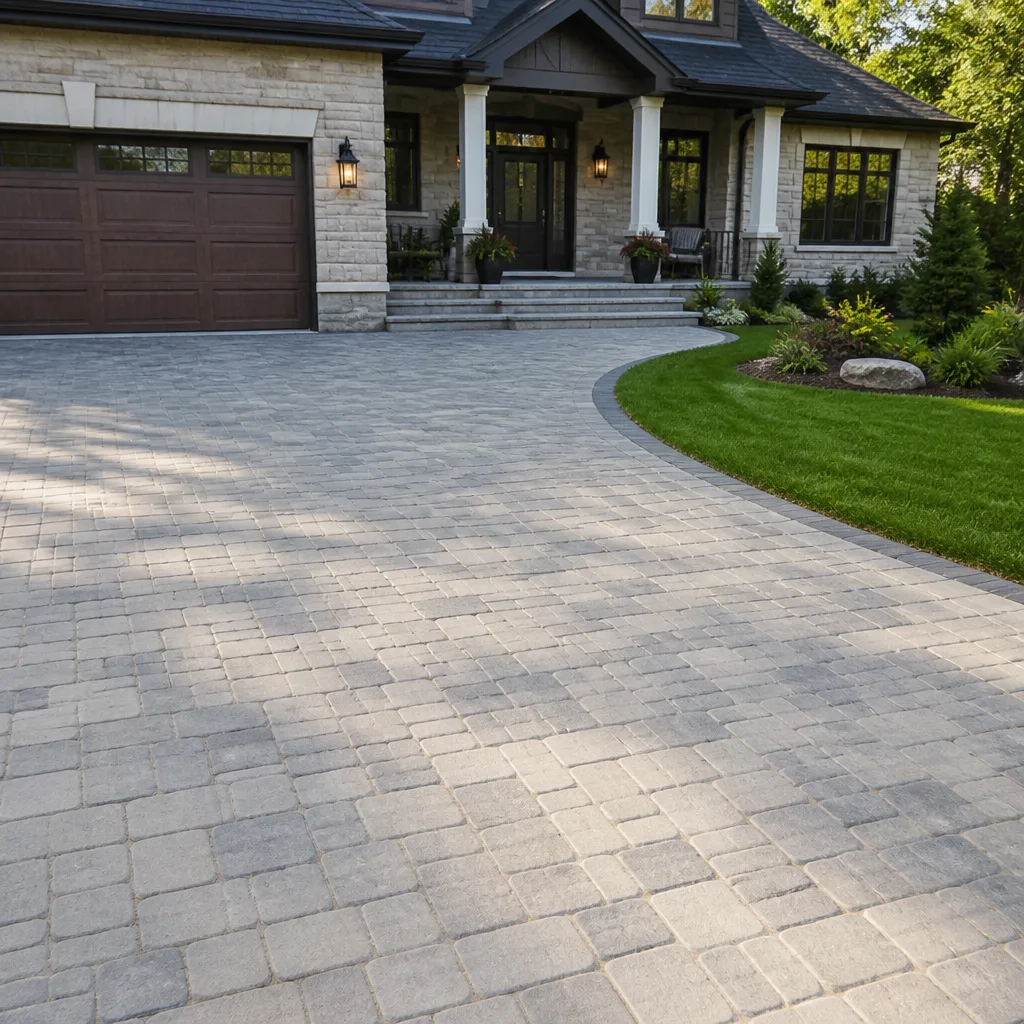 Driveway & pavers
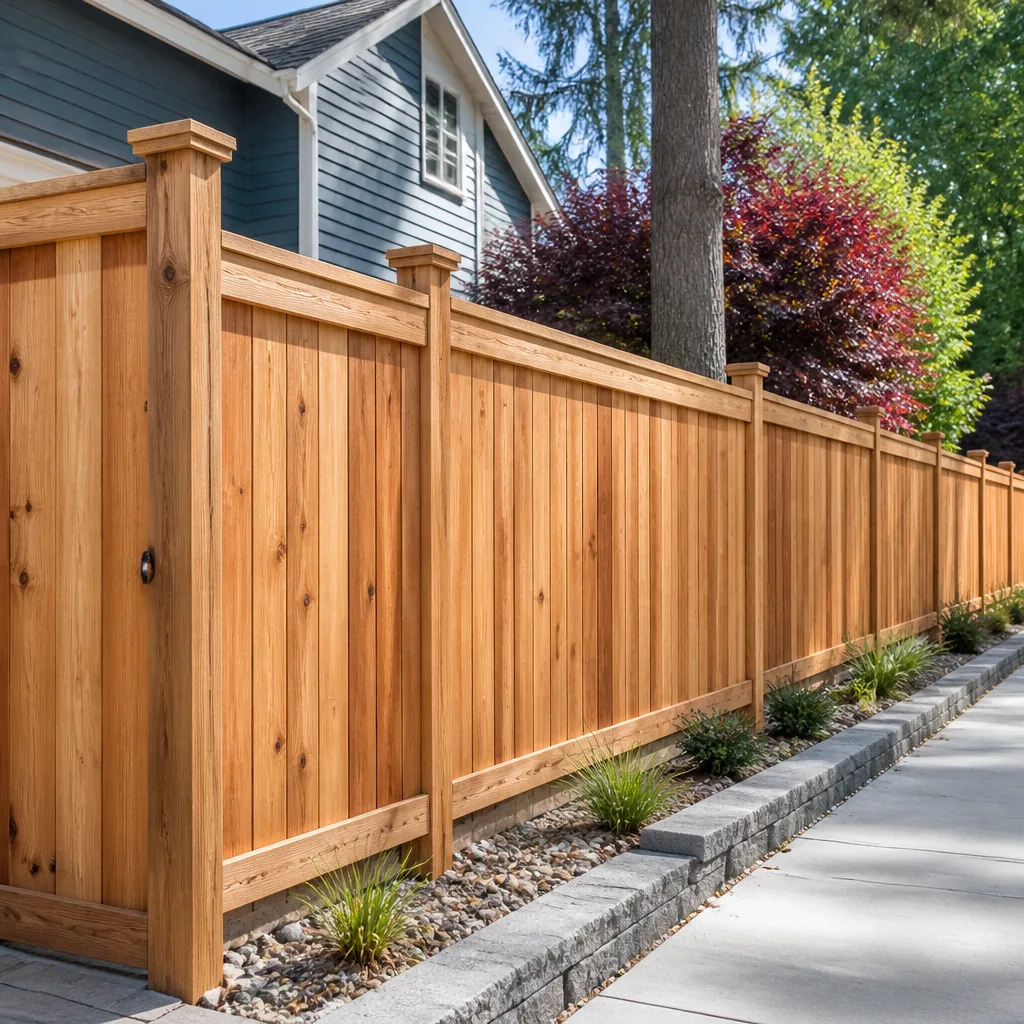 Fence
Free written scope consultation - allowances, timeline, and change-order rules on paper before a single trade is scheduled
DIY vs Professional Construction: The Torrance Homeowner’s Decision Guide
Most Torrance homeowners think the DIY question comes down to whether they can swing a hammer. It doesn’t. The real dividing line in this city is paperwork and liability: permits, HOA approvals, and what a buyer’s inspector will find three years from now. A tile job you install beautifully but without a permit can cost more at resale than the same job done twice by a licensed crew. This guide lays out where DIY genuinely saves money in Torrance, where it creates permit and disclosure exposure, and how to run the actual numbers before you pick up a tool.
Quick Answer
In Torrance, DIY makes sense for cosmetic, permit-exempt work like painting, interior trim, and refacing. It stops making sense the moment your project needs a building permit, touches structural framing, electrical, gas, plumbing, roofing, or exterior changes an HOA must approve. And under California’s seller disclosure rules, unpermitted DIY work on a permitted scope becomes a disclosed material defect at sale, which buyers can and do negotiate against. For any project above roughly $20,000 in scope, the professional bid usually wins on resale value alone.
Styles & brands we work with
- Kitchen remodeling
- Bathroom remodeling
- Home additions & ADU
- Roofing
- Windows & doors
- Driveway & pavers
- Fence
Table of Contents
- The Permit Floor vs. the Skill Floor
- How California’s Transfer Disclosure Statement Changes the Math
- Torrance Scopes Where DIY Is Genuinely Low-Risk
- Torrance Scopes Where DIY Creates Permit and Resale Liability
- What Torrance HOAs Require and Why It Changes Everything
- How to Run the Real Cost Comparison
- Why Material Choice Determines Whether You Can DIY at All
- Common Mistakes to Avoid
- When to Call a Professional
- Frequently Asked Questions
The Permit Floor vs. the Skill Floor
There are two separate questions in every project, and most homeowners only ask one of them. The first is: can you physically do the work well? That’s the skill floor. The second is: are you legally allowed to do it without a permit, and can you get one pulled as an owner-builder? That’s the permit floor. Confusing the two is the single most expensive mistake we see in Torrance.
You might be a genuinely skilled carpenter and still cannot legally self-perform a room addition without going through the owner-builder permit process, which requires you to occupy the home as your principal residence for a specified period and to take on the role of contractor for that job. The permit process itself, inspections, and the record it leaves on the property are separate from your skill. A homeowner with excellent finish skills can still produce a job that fails inspection on framing, shear, or tie-down details that a licensed contractor builds to as a matter of habit.
Where the permit floor typically starts in Torrance:
- Anything structural, including additions, ADU conversions, and load-bearing wall removal
- Electrical work beyond swapping a light fixture or outlet (new circuits, panel work, any rewiring)
- Plumbing beyond replacing a faucet or a toilet in kind (new lines, moving fixtures, gas connections)
- Roofing, including tear-off and replacement, which is a permitted scope in most California cities
- Window and door replacement, which is often permitted when the opening size or framing changes
- Exterior hardscape work that alters drainage, grade, or the impervious surface area of the lot
- Fencing above standard height, or in a location where height or setback rules apply
Below that line, painting, interior trim, tile setting over an existing substrate, cabinet refacing, hardware swaps, and landscaping inside the lot without hardscape usually sit in DIY territory. Above it, you’re not comparing skill, you’re comparing whether the work will survive an inspector and a buyer’s agent. Ask your city’s building department before you decide which side of the line you’re on. That call is free, and it’s shorter than any project.
How California’s Transfer Disclosure Statement Changes the Math
California requires sellers to give buyers a Transfer Disclosure Statement (TDS) that discloses known material defects, including unpermitted work and any work that was done without required permits. This is the part that most DIY guides skip. In a state without that requirement, unpermitted work might go unnoticed for a generation. In California, it has to be disclosed, and once disclosed, it becomes a negotiation point in the transaction.
What that means in practice for a Torrance homeowner planning a remodel:
- Unpermitted work that later needs correcting typically costs more to fix than if it had been permitted and done correctly the first time.
- Buyers regularly negotiate against disclosed unpermitted work, and the reduction can be substantial relative to the original project cost.
- Lenders can and do ask for permits during the appraisal or underwriting process, which extends a sale timeline.
- Permit records for a property are searchable, so unpermitted work has a way of surfacing regardless of how good the finish looks.
The financial math of DIY in Torrance isn’t “materials cost minus your labor hours.” It’s “materials cost, minus your labor hours, plus the expected cost of the permit exposure at sale, plus the value a documented permit adds to the property’s record.” For a $3,000 painting job, that math heavily favors DIY. For a $40,000 addition or a permitted kitchen remodel, the permit exposure alone typically swamps any labor savings.
The cleanest way to think about it is this: any scope where a permit would be required anyway, and where you cannot legitimately self-perform under an owner-builder arrangement, is a professional scope. Not because your work is worse. Because the paper trail is part of the deliverable. A permitted job comes with an inspection record, and that record is an asset at resale. A DIY job on a permitted scope produces the opposite.
Torrance Scopes Where DIY Is Genuinely Low-Risk
We’re not going to tell you to hire out everything. There are real, honest pockets of Torrance work where doing it yourself costs you nothing at resale and skips a bid cycle entirely. These are the projects where the permit floor is far below the work and the finish quality is the only variable.
Low-risk DIY scopes we’d genuinely hand you:
- Interior painting, including trim and doors, on surfaces that are sound
- Caulking, weatherstripping, and minor sealing
- Replacing cabinet hardware, light fixtures (same location, same circuit), and outlets in kind
- Refinishing or refacing existing cabinets (not replacing them)
- Patio furniture, garden beds, and landscaping short of hardscape changes
- Small tile repairs over existing sound substrates
- Closet systems, shelving, and interior organization
The common thread is that none of these require structural changes, none alter the allowably permitted envelope of the home, and none move plumbing or electrical circuits. They also tend not to touch the exterior of the house, which matters because exterior changes run into a different set of issues entirely (we’ll get to that under HOAs).
A word on the DIY driveway & pavers question specifically, because it comes up a lot in Torrance. Paver installation looks approachable and is genuinely harder than it looks. Base preparation, compaction, and drainage slope are what determine whether pavers stay level for 20 years or shift in the first wet season. The pavers themselves are the easy part. If you’re set on doing it, at minimum have a professional check the base plan before you order material.
Torrance Scopes Where DIY Creates Permit and Resale Liability
These are the scopes where the math flips hard, and it has nothing to do with your capability. Each one falls into what we call the “permit trap”: the work is legal to do, but only with permits, inspections, and a licensed party responsible for the outcome. Doing it unpermitted feels like saving money until the disclosure conference at sale.
The scopes where we tell Torrance homeowners to stop and re-bid:
- Kitchen remodeling. Kitchens move plumbing, gas, and electrical, all of which are permitted scopes. Cambria, Caesarstone, or Silestone quartz surfaces, KraftMaid or Wellborn cabinetry, and Kohler or Grohe fittings are all specced to manufacturer standards that come with their own warranty terms. Unpermitted work can void manufacturer warranties on installed components.
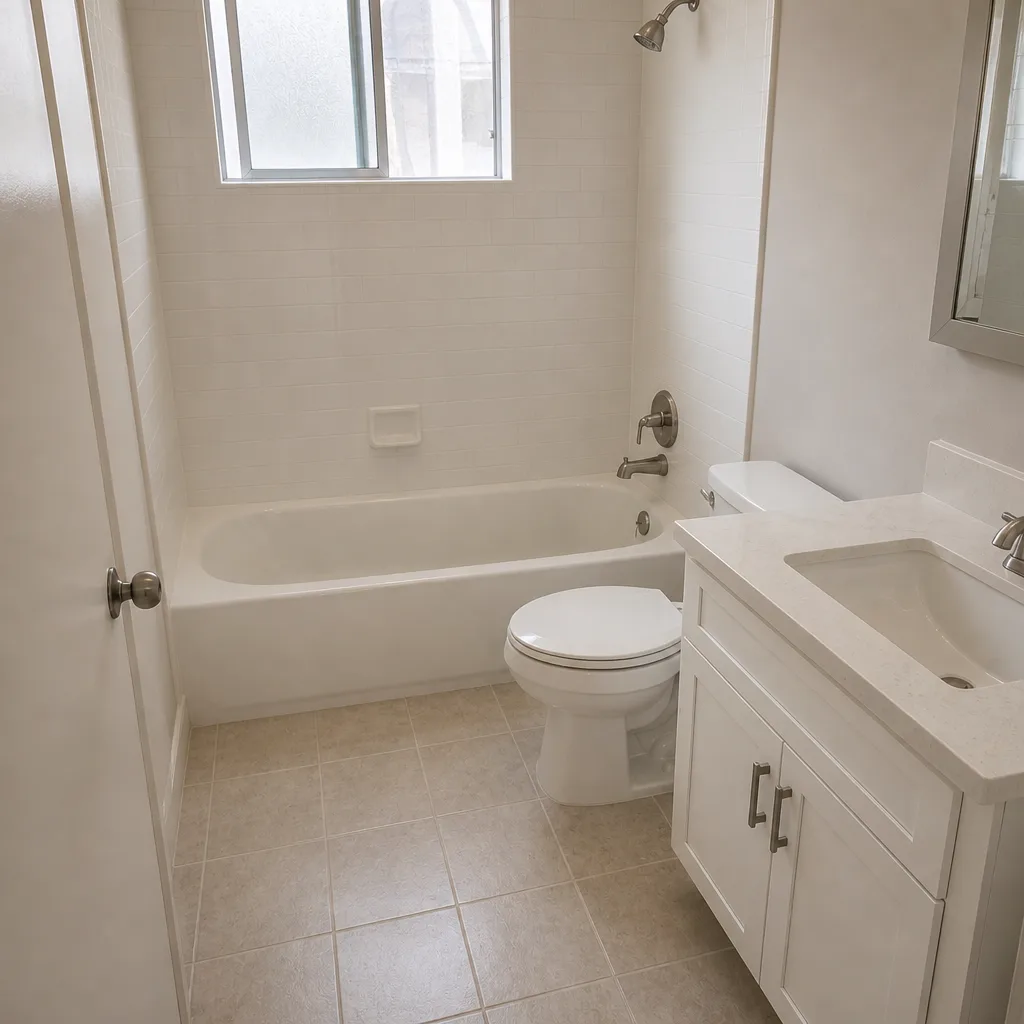
- Bathroom remodeling. Waterproofing, shower pan construction, and drain relocation are where DIY bathroom work shows up in a home inspection within five years. Toto, Moen, Delta, and American Standard fixtures installed in kind are fine; relocating a drain line is not a DIY scope.
- Home additions and ADU construction. This is structural construction, full stop. Prefab ADU systems from Abodu, Dvele, Mighty Buildings, Boxabl, or Plant Prefab have their own permitting pathways, and attempting a site-built addition without a licensed crew creates a permanent disclosure problem at resale.
- Roofing. A roof is a full-trade permitted scope in most California cities, and a roof installed to something other than GAF, CertainTeed, or Owens Corning specification shortens its service life and voids the manufacturer warranty. This is also a fall-hazard scope; roofs are genuinely dangerous, and we recommend only trained professionals get on them.
- Windows and doors. Replacing windows in kind is sometimes permit-free; changing opening sizes or reframing is not. Impact-rated and energy-efficient lines from PGT, CGI, ECO Window Systems, Therma-Tru, and ES Windows are engineered to specific installation standards and manufacturer warranties. Safety caveat: window replacement on upper stories and door frame work that involves structural framing should be done by a trained professional, not because you can’t do the work, but because the fall hazard and framing consequences are real.
- Fence installation above standard height. Fencing that exceeds local height limits or sits on a property line requires permits and typically a survey. A well-set 6-foot fence with Barrette or Master Halco components is one thing; a new 8-foot privacy fence is a permit and possible neighbor-relations matter.
For larger exterior scopes like fence installation, we routinely tell homeowners the same thing: if the fence is replacing an existing one in kind at the same height, DIY becomes far more viable. If you’re going taller, changing the material system, or touching a property line, get a professional bid. The home additions & ADU question is even simpler: there is no legitimate DIY pathway for a habitable structure. It’s permitted construction from the foundation to the final inspection.
What Torrance HOAs Require and Why It Changes Everything
Torrance has pockets of denser residential development and planned communities where an HOA reviews and approves exterior work before it happens. This is the single most underappreciated reason DIY in Torrance carries more risk than DIY in a city without HOAs. Your HOA has its own independent approval process that runs parallel to the city’s permit process, and failing to get it can mean reversing finished work.
What HOAs in Torrance typically review and approve for exterior changes:
- Exterior paint colors and finishes
- Fencing height, material, and style (including the side that faces your neighbor)
- Driveway and hardscape changes, particularly where they affect shared sight lines or drainage
- Window and door replacement, especially changes in style or visible glass area
- Roof material and color changes
- Any structure visible from a shared street or common area
- Landscaping of a scope that changes the lot’s appearance
Here’s why this changes the DIY math entirely: an HOA denial doesn’t just cost you the permit fee. It can mean removing and redoing completed work. If you replaced your own windows in a planned community without ARC (architectural review committee) approval, you may have to reinstall or replace them on the association’s timeline. Same for a new fence that’s six inches too tall or the wrong material. That’s a full project twice, and the second one is on the clock.
If you’re in an HOA community, the practical rule is simple: check the CC&Rs before you buy a single material. The ARC review process is usually a few weeks, and a professional contractor who has done work in your community knows how to prepare submissions that clear review the first time. On exterior work, the extra step is not the delay; the delay is the unapproved project.
How to Run the Real Cost Comparison
The standard DIY vs. professional math most guides give you is wrong because it treats your time as free and the permit exposure as zero. Here’s the actual framework we’d use if we were advising a friend, and it’s the same one we’d want you to use on us.
Step 1: Price the materials honestly. Add 15% to whatever you estimate for waste, breakage, and the supply runs you’ll make. DIY projects average more waste than professional ones because professional crews buy to spec from suppliers who carry consistent stock.
Step 2: Price your time. Use the number of weekends the project will actually take, doubled, because everyone underestimates the first one. Then price those weekends at what you’d be earning if you were working or what it would cost to cover your other obligations. Your time is not free, even when it feels that way.
Step 3: Price the rework risk. This is the number nobody puts in. For a permit-required scope, assume at minimum a rework exposure equal to 20-30% of your material cost. For a structural or waterproofing scope, assume more. For a permitted scope involving electrical, plumbing, or roofing, add the cost of a professional correction on top of your original work.
Step 4: Price the disclosure exposure. If the scope would normally require a permit and you do it unpermitted, assume a resale negotiation exposure against the work. This is an informed estimate, not a fixed number, but it scales with the scope. On a $40,000 scope it can be a real line item in a sale negotiation, not a rounding error.
Step 5: Compare against the professional bid. A professional bid on a permitted scope includes permits, inspections, material at manufacturer spec, and a warranty. The comparison is not “materials vs. bid total.” It’s “materials + time + rework + disclosure exposure vs. bid total, adjusted for the value the permit adds to the property.” For many Torrance homeowners, the adjusted comparison pushes toward the professional bid well before the project hits kitchen-remodel numbers.
Where DIY wins decisively in this framework: paint, trim, minor repairs, and any scope under a few thousand dollars that doesn’t sit above the permit floor. Where it rarely wins: additions, kitchens, bathrooms, roofing, and exterior scopes with HOA review. If the framework is close, that’s a signal in itself. Close calls favor the professional because the professional bid is the known number and the DIY exposure is the unknown one.
Why Material Choice Determines Whether You Can DIY at All
There’s a material-level reason some projects are simply not DIY-viable, and it’s not about your skill. It’s about manufacturer warranties and installation specifications that don’t transfer to homeowner-installed work. This is where serious Torrance homeowners end up calling us after starting a project, and it’s worth understanding before you begin.
The clearest examples:
- Cabinetry and surfaces. KraftMaid and Wellborn cabinetry, and Cambria, Caesarstone, or Silestone surfaces, come with manufacturer warranties that depend on installation meeting their spec. Homeowner installs often don’t qualify for the warranty, which changes the value calculation for what is often the largest line item in a kitchen remodel.
- Roofing systems. GAF, CertainTeed, and Owens Corning have installation specs that include underlayment, flashing, and ventilation details. A roof installed to spec performs to its rated life; a roof installed “close enough” doesn’t qualify for the manufacturer’s warranty. This is one of the cleanest cases where the professional bid pays for itself in warranty alone.
- Windows and doors. Impact-rated and energy-efficient lines from PGT, CGI, ECO Window Systems, Therma-Tru, and ES Windows are installed to specific standards, and warranty coverage depends on it. The framing, flashing, and sill details are the difference between a window that lasts 30 years and one that leaks in year four.
- Hardscape systems. Belgard, Techo-Bloc, Unilock, Tremron, and Cambridge paver systems are engineered for load and drainage, and the installation manual isn’t a suggestion. If the base, edge restraint, or drainage is off, the pavers won’t perform to their rating regardless of how carefully they’re laid.
What this means in practice: for any project where the material brand carries a warranty that depends on how it was installed, DIY is essentially opting out of the warranty. That’s a legitimate trade-off for a $500 project. For a $40,000 one, it’s a real cost. As a full-scope general contractor, Construction Torrance works with 50+ name-brand material manufacturers across every trade, and the reason we’re specific about brands is that the brand warranty is part of what you’re buying. Specced with Cambria and installed to spec is a different product than “quartz countertop” installed without a warranty.
Common Mistakes to Avoid
- Assuming skill determines the DIY answer. A capable carpenter and a first-time homeowner face the exact same permit requirement. The permit floor doesn’t care how good you are.
- Getting permits pulled as an owner-builder for a scope you can’t actually self-perform. Owner-builder status has its own requirements around occupancy and residency that many homeowners don’t meet. Check before you file.
- Skipping the HOA review on exterior work in a planned Torrance community. An HOA denial on completed work can mean tearing out and redoing a finished project. It’s the most expensive shortcut on this list.
- Buying branded materials without checking the warranty installation terms. A GAF roof, a PGT window, or a Belgard paver driveway installed without meeting manufacturer specs can void the warranty you paid for.
- Treating “in kind” replacement as automatically permit-free. Sometimes it is; sometimes it isn’t. The city, not the material, decides. Ask.
- Underestimating the disclosure conversation at sale. Even work that looks great at move-in gets scrutinized in a Torrance sale, and unpermitted projects regularly become negotiation items years later.
- Calling a professional to fix a DIY project after the fact rather than to bid it first. Correction costs more than clean installation. The cheapest time to call is the beginning.
When to Call a Professional
Call a professional when the scope needs a permit you can’t legitimately pull, when the work involves structural framing, electrical, gas, plumbing, roofing, windows, or a bathroom waterproofing system, when the exterior change needs HOA review, or when the project exceeds roughly $20,000 in scope and the disclosure exposure starts to outweigh the labor savings. Call when the manufacturer warranty on your chosen materials depends on installation specification. Call when the project involves upper-story work or a roof, because the safety risk is real regardless of your skill. Our technicians have up to 13 years of experience, and Construction Torrance carries seven service lines from driveway to roofline under a single project team, which means a Torrance homeowner who needs a driveway, a bathroom, and a roof upgrade can run it as one coordinated scope instead of three separate bid cycles. Free estimates are available in Torrance; call (844) 560-5501.
Frequently Asked Questions
For cosmetic, permit-exempt work like paint, trim, and minor repairs, DIY in Torrance is genuinely the right call. For anything that requires a building permit, is structural, or touches electrical, gas, plumbing, roofing, windows, or exterior changes with HOA review, the professional route usually wins on resale exposure alone. Call (844) 560-5501 for a free estimate on any permitted scope.
Yes. The TDS requires disclosure of known material defects, including unpermitted work, and once disclosed, that work becomes a negotiation point in the sale. In Torrance, unpermitted DIY on a permitted scope is more expensive to resolve than the same work done professionally in the first place. Call (844) 560-5501 for a written estimate that carries a permit.
Sometimes, under an owner-builder permit, which involves its own qualifying requirements around occupancy and the role of contractor. It’s not a blanket right to self-perform any project. Ask your city’s building department whether your specific scope qualifies before you file. If it doesn’t, call (844) 560-5501 and we’ll run a bid.
HOAs in planned Torrance communities typically require architectural review committee approval for exterior paint, fencing, hardscape, window and door replacement, roof material changes, and any structure visible from a shared street. Skipping that step can mean tearing out finished work. Call (844) 560-5501 for a bid that accounts for your HOA’s review process from the start.
Interior painting, hardware swaps, cabinet refacing, landscaping short of hardscape, and tile repair over sound substrates are all genuinely viable DIY scopes. They don’t require permits, don’t move utilities, and don’t sit above the permit floor. For anything above that line, call (844) 560-5501 for a free estimate.
Often yes. Branded materials like GAF roofing, PGT windows, KraftMaid cabinetry, Cambria quartz, and Belgard pavers carry manufacturer warranties that depend on installation meeting their specification. A homeowner-installed version can void the warranty you paid for. Call (844) 560-5501 for a bid specced and installed to manufacturer spec.
The Bottom Line
In Torrance, the DIY vs. professional decision comes down to where the permit floor sits, not where your skill ceiling does. Below the line: paint, trim, hardware, and interior polish. Above it: anything structural, anything that moves utilities, anything on a roof or in a bathroom, any exterior change an HOA must approve, and any scope a buyer’s agent will examine in a sale. Run the real five-step math (materials, time, rework, disclosure, bid) before you commit, and remember that a permitted scope comes with a record that adds value at resale, which is a savings no DIY project produces. For the big scopes, one contractor from the driveway to the roofline is a cleaner decision than four bids and four sets of documentation. Call (844) 560-5501 for a free estimate. We answer 24/7. Fast dispatch from 7am to 7pm, Sunday through Friday.
Written by the team at Construction Torrance.
See the difference
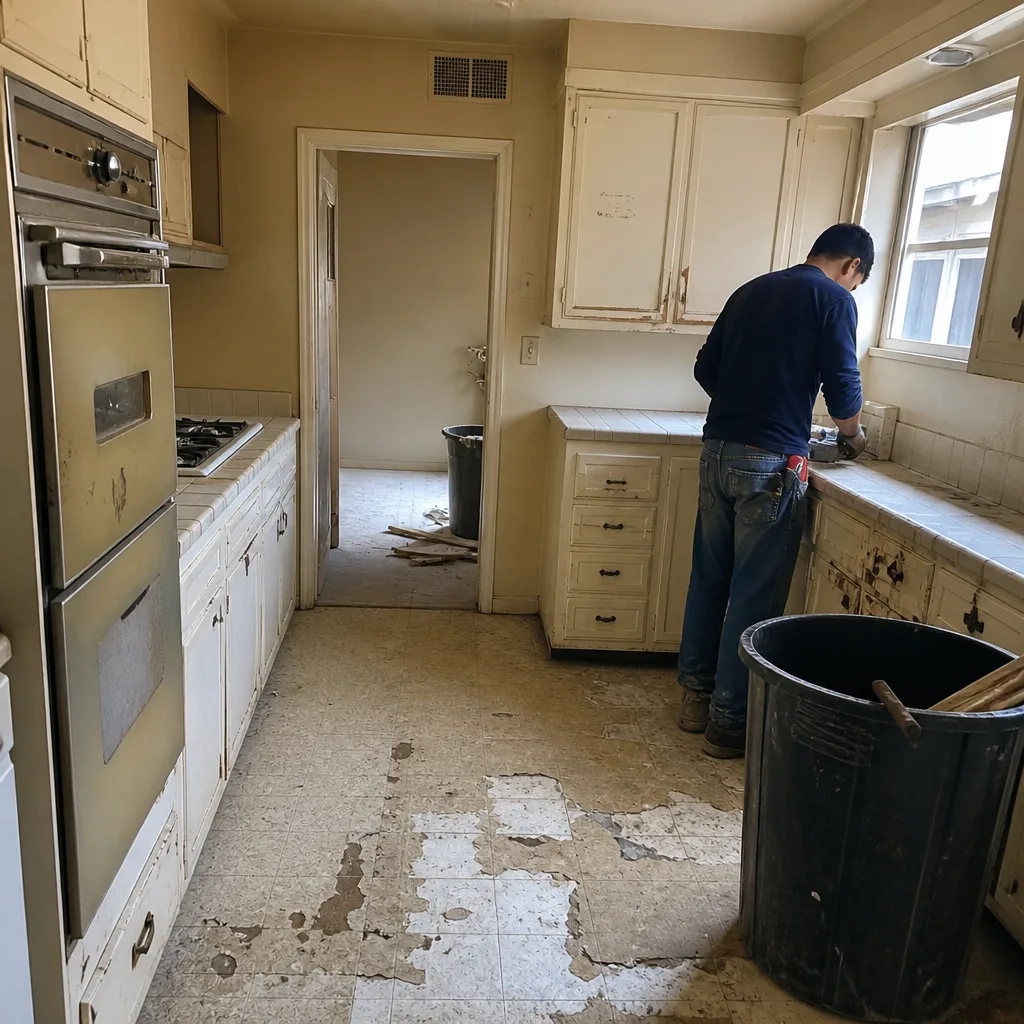 Before
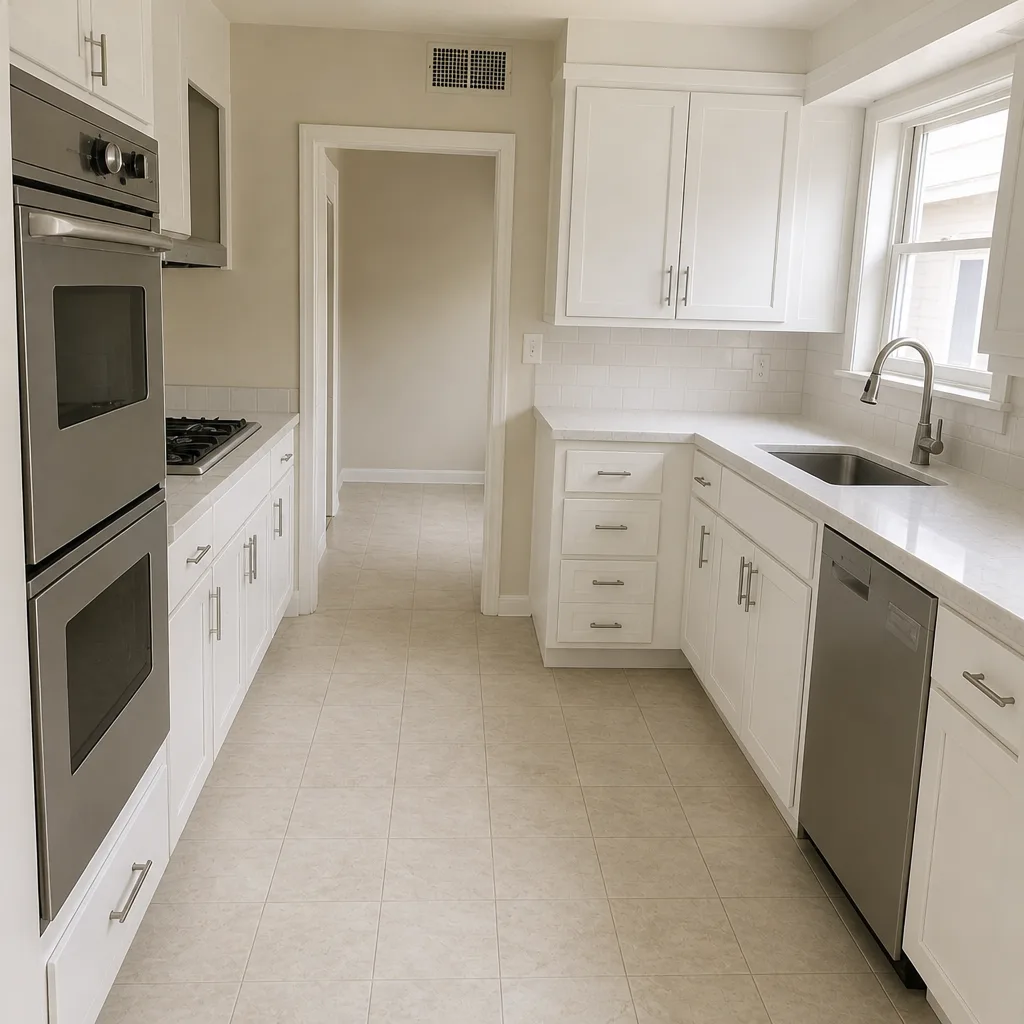 After
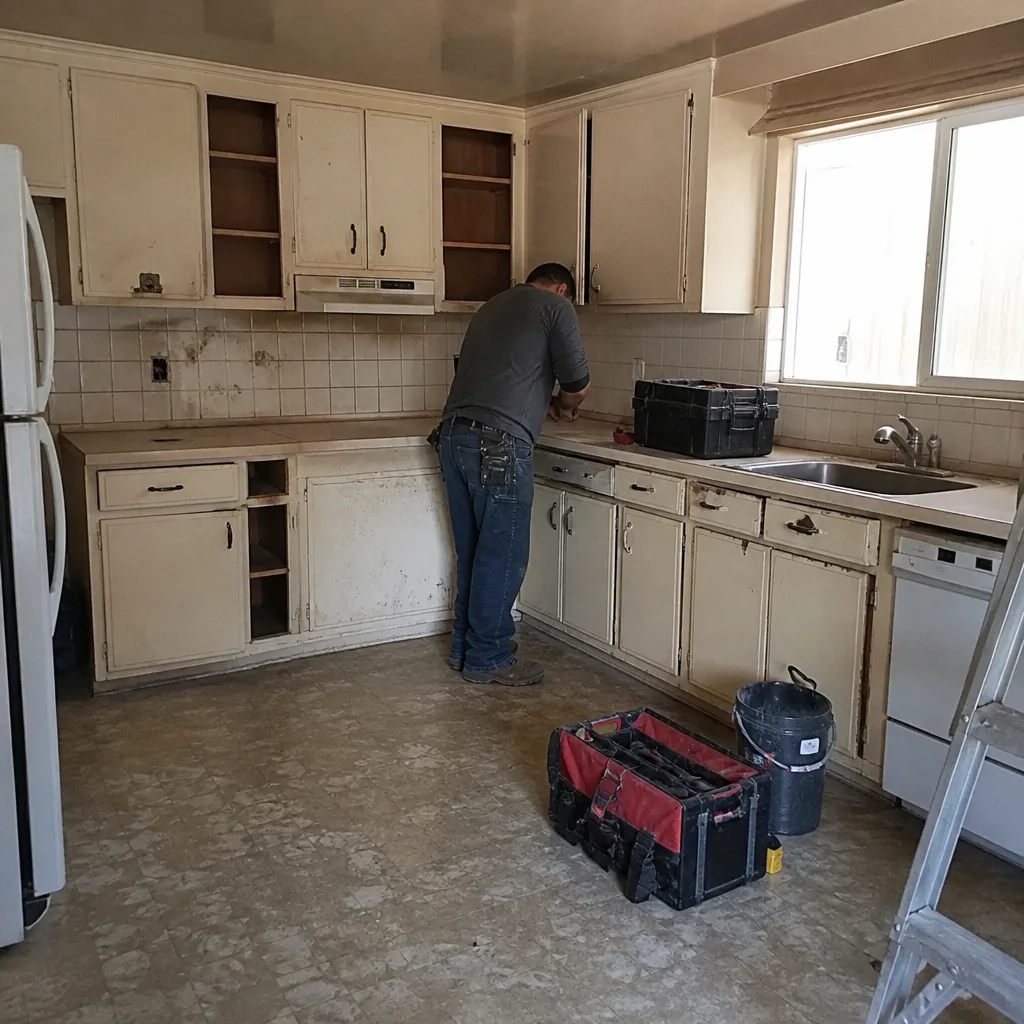 Before
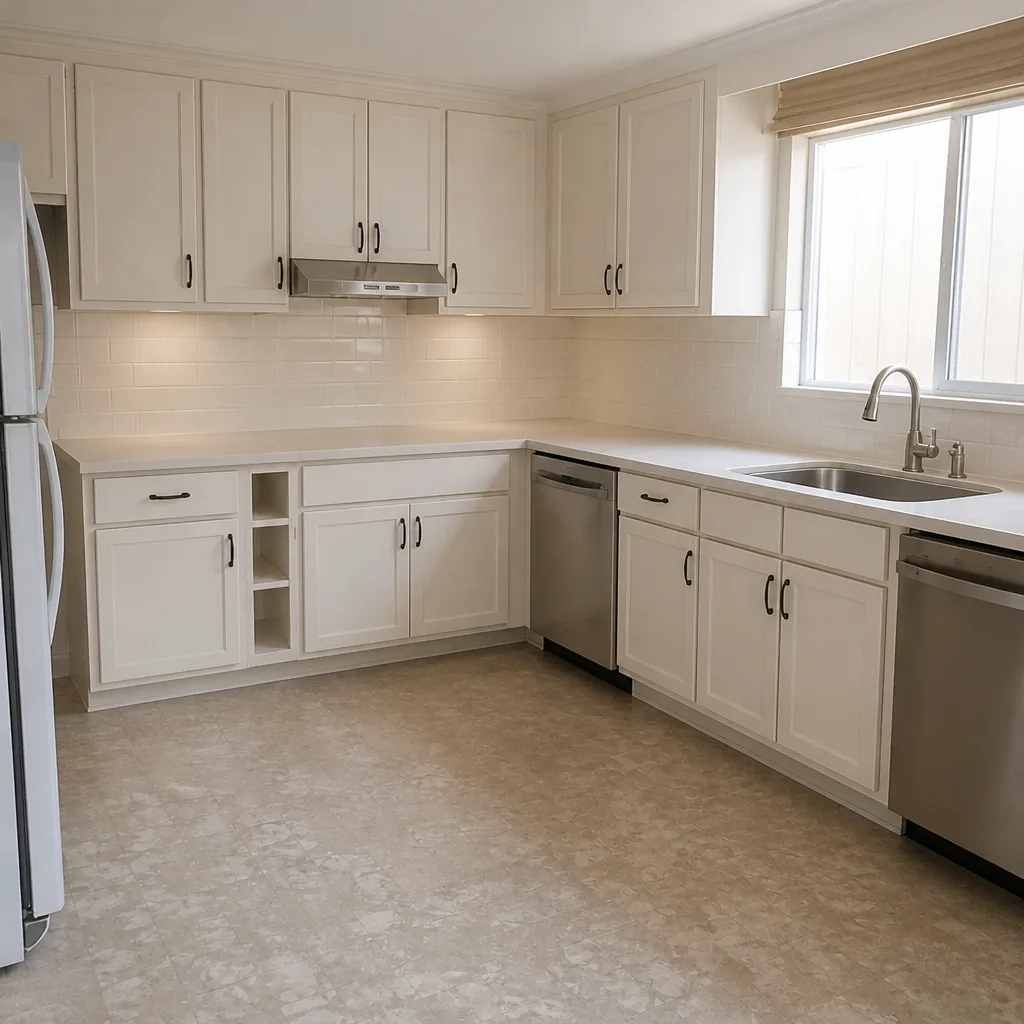 After
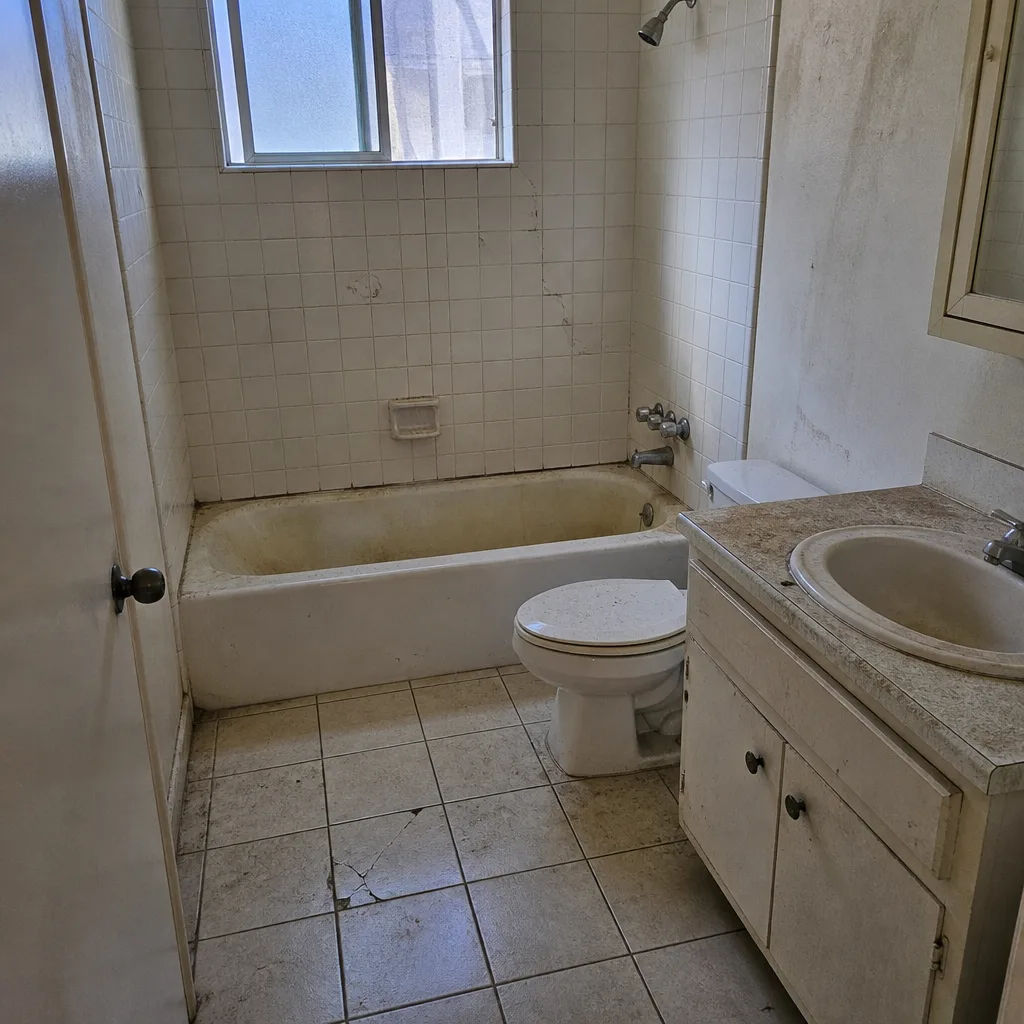 Before
 After