
Last updated November 17, 2026
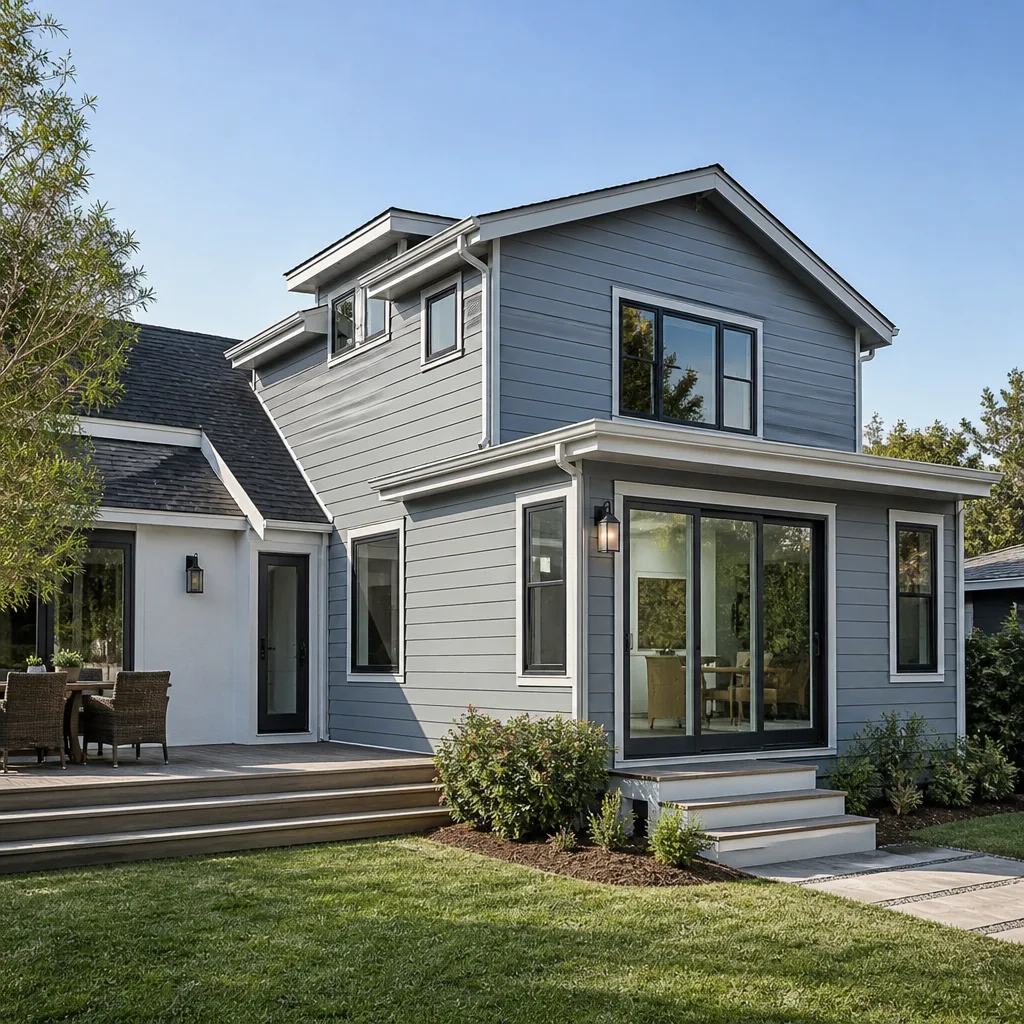 Home additions & ADU
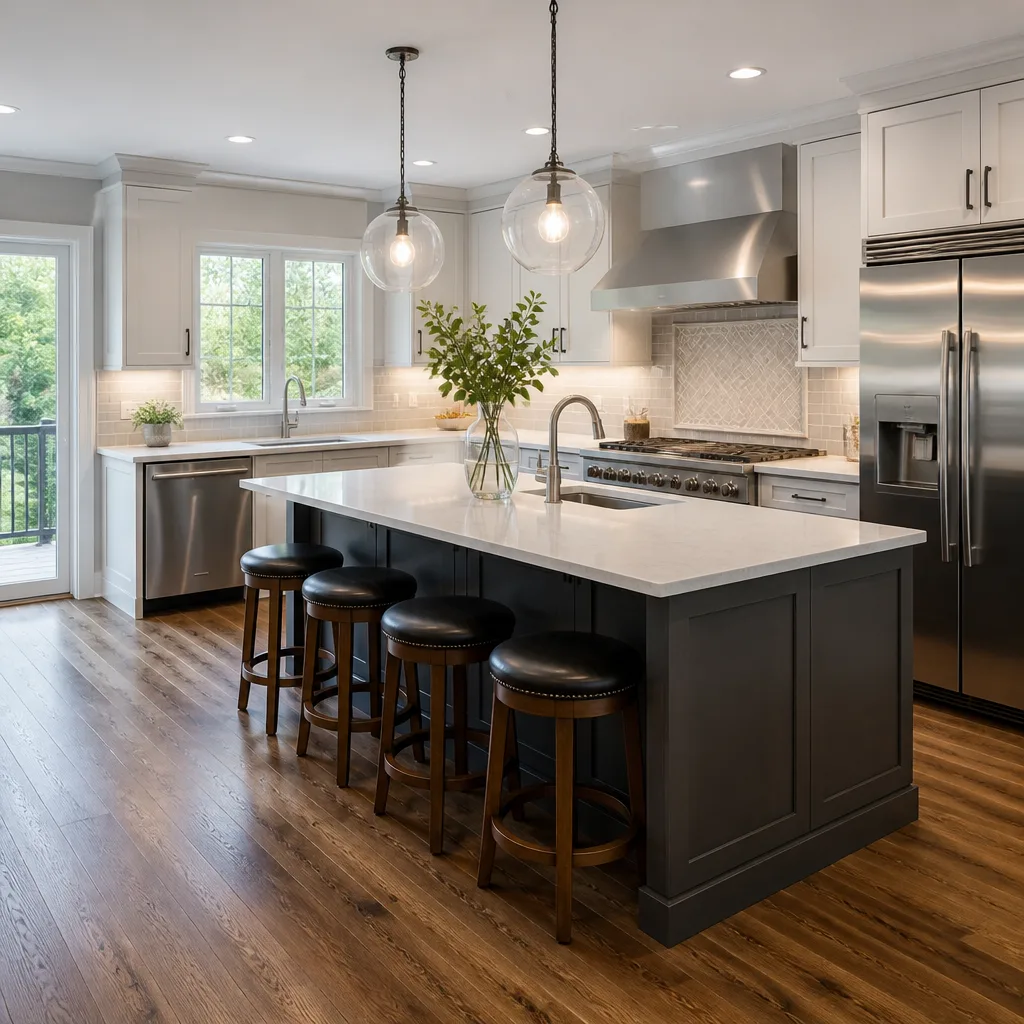 Kitchen remodeling
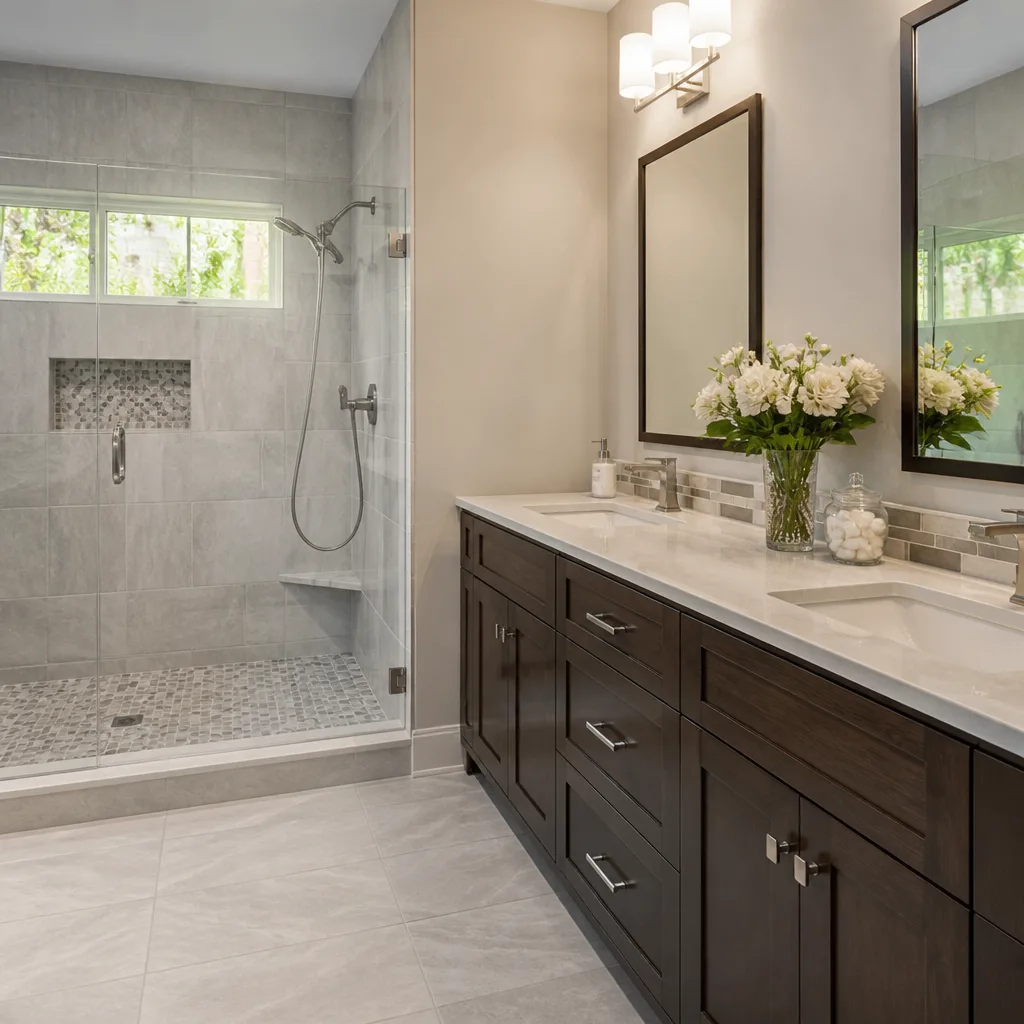 Bathroom remodeling
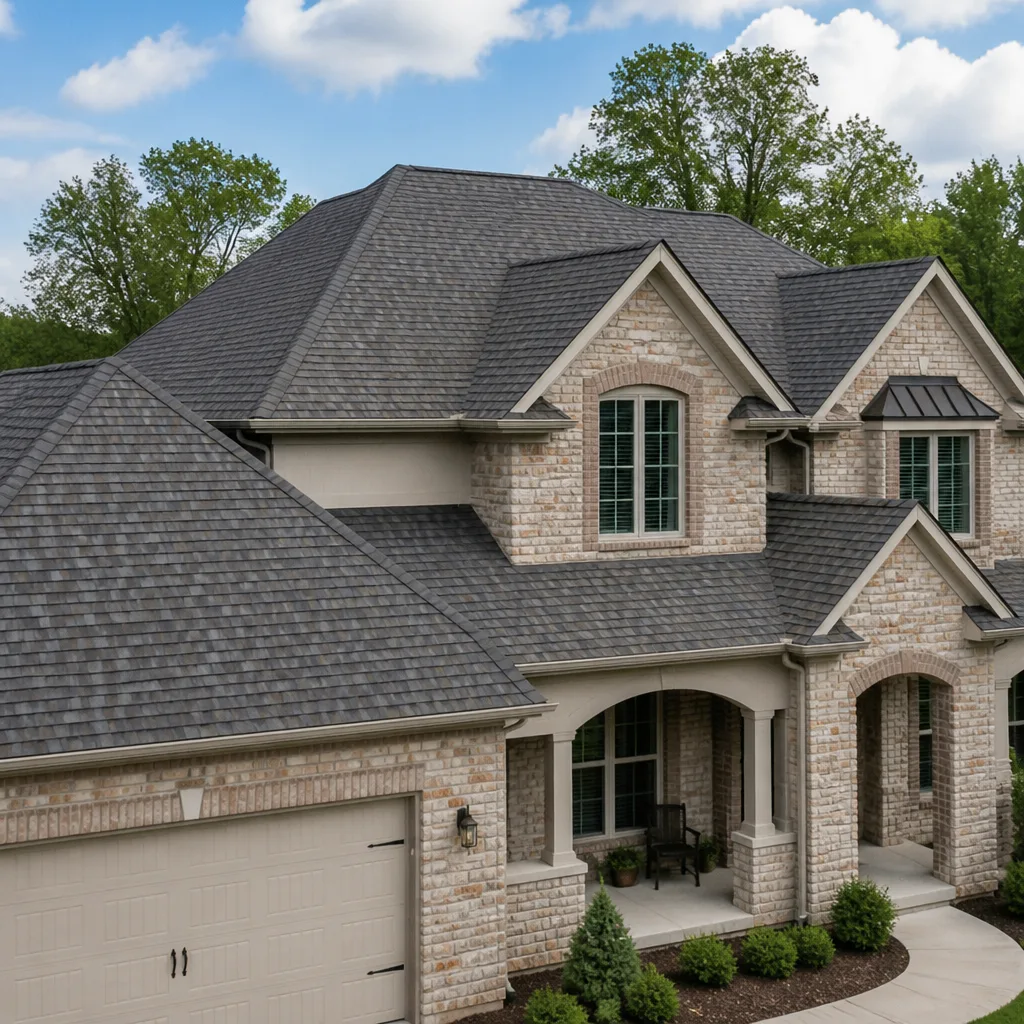 Roofing
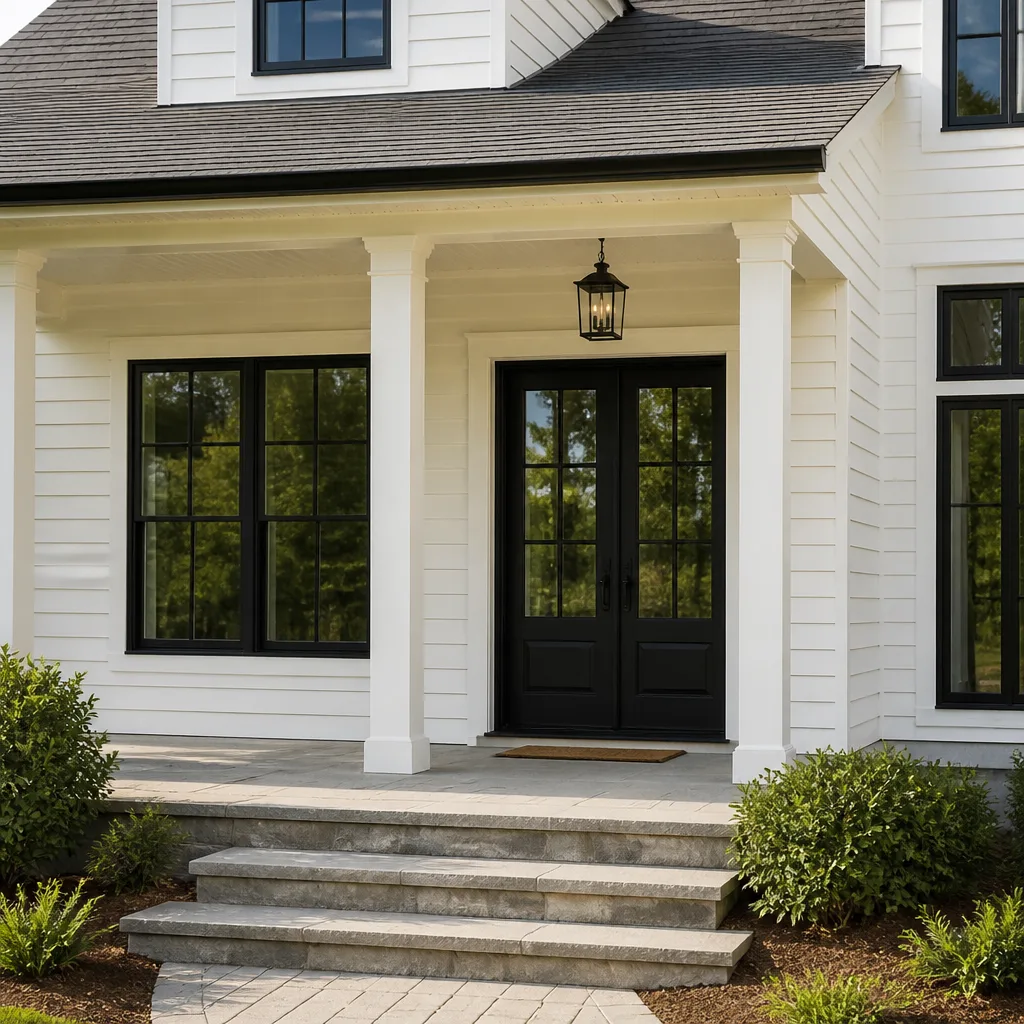 Windows & doors
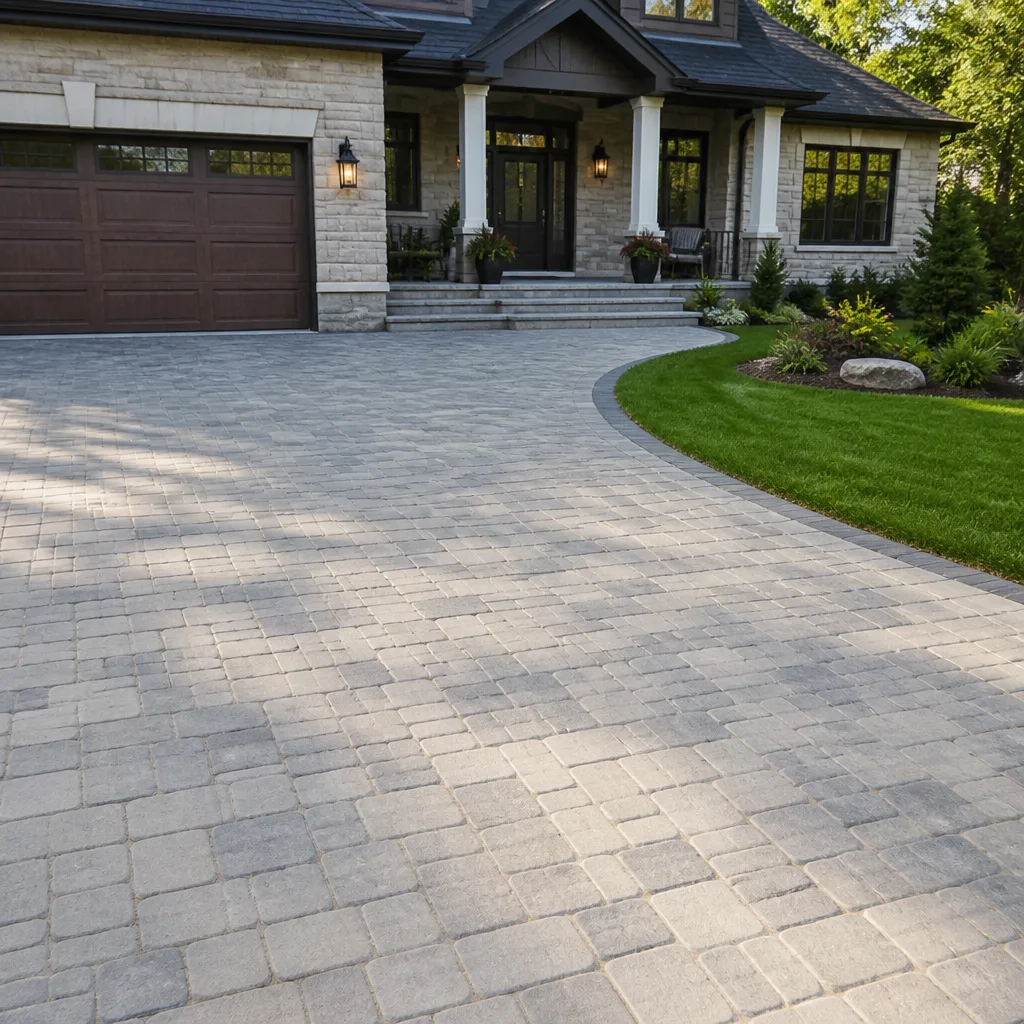 Driveway & pavers
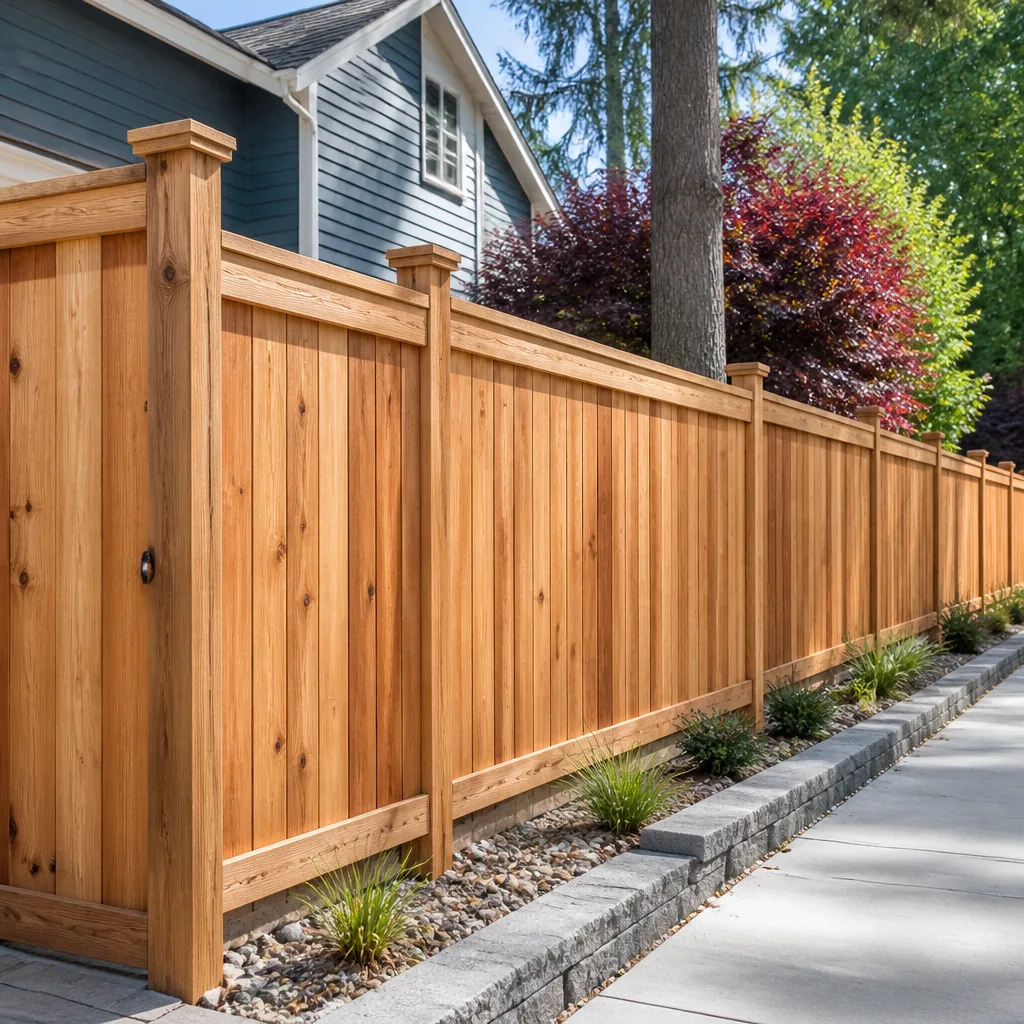 Fence
Free written scope consultation - allowances, timeline, and change-order rules on paper before a single trade is scheduled
Construction Cost Breakdown: The Torrance Homeowner’s Reference for 2026
The number that sinks most Torrance renovation budgets isn’t the tile or the roof shingles. It’s a number the homeowner never saw on a bid: the gap between what a project costs in Torrance in 2026 and what it cost somewhere else, in some other year, according to some website. National averages, 2022 pricing, and figures pulled from Phoenix or Austin all get pasted into the same spreadsheet, and none of them describe the South Bay. This guide breaks down real 2026 cost ranges for the work Torrance homeowners actually commission – driveways, patios, roofing, additions, fencing, concrete, and exterior remodels – with labor and materials separated so you can read a bid and know what you’re paying for.
Quick Answer
Construction costs in Torrance in 2026 run higher than LA County averages because of South Bay labor premiums, volatile concrete and lumber pricing, and rising permit fees. Expect rough ranges of $18-$28 per square foot for a concrete driveway, $22-$38 per square foot for pavers, $12-$22 per square foot for asphalt shingle roofing, and $110-$220 per linear foot for a new fence. Every range here is an estimate only; the written, line-item estimate sets the final price. Read the sections below for scope-by-scope breakdowns and the three line items most Torrance bids underestimate.
Styles & brands we work with
- Kitchen remodeling
- Bathroom remodeling
- Home additions & ADU
- Roofing
- Windows & doors
- Driveway & pavers
- Fence
Table of Contents
- Why Torrance Costs Differ From LA County Averages
- Driveways, Pavers, and Concrete Flatwork
- Roofing Costs in Torrance
- Room Additions vs. ADUs: The Torrance Cost Split
- Fencing and Exterior Perimeter Work
- Exterior Remodels: Siding, Windows, and Doors
- The Three Line Items Every Torrance Bid Underestimates
- How to Read a Bid Breakdown and Spot a Low-Ball
- Contingency Guidance by Project Type
Why Torrance Costs Differ From LA County Averages
Torrance sits at the premium end of LA County construction pricing, and anyone budgeting from a countywide average is going to come up short. Three forces are driving 2026 costs specifically in this market.
First, South Bay labor. Tradespeople working in Torrance and the surrounding South Bay command higher hourly rates than trades elsewhere in LA County because the regional cost of living and the density of high-value residential work both push crews here. A framing crew that bills one rate in the San Fernando Valley bills a higher one in Torrance, and that difference cascades through every trade on the job – electricians, plumbers, tile setters, roofers.
Second, materials volatility. Concrete and lumber have both seen significant price swings since 2022, and neither has settled back to pre-2020 levels. A homeowner budgeting from a 2022 estimate for a driveway or a room addition may be working from numbers that are simply no longer available in the market.
Third, permit fees. Cities across the region have raised permitting and inspection fees to keep pace with administrative costs, and Torrance is no exception. Permit costs are rarely itemized at the top of a bid, which means they surface later – often as a change order – if they weren’t scoped in from the start.
What this means practically: if your budget was built from a national cost calculator or a three-year-old estimate, rebuild it before you call anyone. The rest of this guide gives you the 2026 Torrance ranges to rebuild it around.
Driveways, Pavers, and Concrete Flatwork
The $35-per-square-foot driveway estimate you found online was almost certainly written for a Sun Belt market with different labor and different material supply chains. In Torrance in 2026, concrete driveways land in a different range entirely, and pavers sit in a different one still.
- Concrete driveway, standard finish: $18-$28 per square foot
- Concrete driveway, exposed aggregate or decorative finish: $24-$38 per square foot
- Paver driveway: $22-$38 per square foot installed
- Concrete patio slab: $16-$26 per square foot
- Paver patio: $20-$36 per square foot installed
- Concrete walkway or flatwork path: $14-$24 per square foot
What drives the range: base preparation, drainage, and paver selection. A driveway in Torrance that has to be re-graded to drain properly costs more than one that doesn’t, and on a lot with grading issues the base prep can add meaningful cost before a single paver is laid. Paver cost also swings hard on material selection.
For pavers, material choice is where the budget lives. Engineered hardscape systems from Belgard, Techo-Bloc, and Unilock carry higher per-square-foot material costs than basic concrete pavers but are built for load and drainage, not decoration. Whether you choose concrete or pavers, this is driveway & pavers work that starts with base prep, not surface finish – and the quality of the base is what determines whether the surface survives five years or twenty.
Debris haul-out matters more on flatwork than nearly any other scope. A tear-out of an existing driveway generates significant concrete debris that has to be hauled to a facility that accepts it. That cost is real and should appear on the estimate.
Roofing Costs in Torrance
Torrance roofing is mild-weather roofing. There’s no snow load to design for and no freeze-thaw cycle to plan around, which simplifies the assembly compared to cold-climate markets – but heat and sun exposure still matter, and a roof that’s properly ventilated and correctly layered will last far longer here than one assembled on the cheapest possible spec.
- Asphalt shingle roof replacement: $12-$22 per square foot installed
- Architectural shingle upgrade: $16-$26 per square foot installed
- Flat or low-slope roofing (Torrance’s common configuration on additions and garage conversions): $14-$28 per square foot installed
- Tear-off of existing roofing: $3-$6 per square foot, dependent on layers
- Sheathing repair: priced per sheet or per square foot, variable by extent
Torrance has a large share of low-slope and flat roof sections – particularly on rear additions and converted garages – and flat roofing on those sections is priced separately from pitched shingle. A bid that quotes one blended per-square-foot number without separating the pitched from the flat sections isn’t giving you real information.
Material brand depth: when we scope roofing in Torrance, we work from manufacturer systems – GAF, CertainTeed, and Owens Corning among them – because these brands publish installation specifications their own warranty depends on. Getting the shingles is easy; getting the specified underlayment, the correct nailing pattern, and the specified ventilation is what ensures the roof is built to manufacturer spec. That’s the difference between a finished roof and a covered roof.
Room Additions vs. ADUs: The Torrance Cost Split
Room additions and ADUs are the two highest-cost scopes in this guide, and the two with the widest spread between budget pricing and reality. Homeowners routinely underestimate them by 30 to 50 percent.
- Master suite addition (ground-up, attached): $290-$510 per square foot, all-in
- Bathroom addition (new wet wall, new footprint): $240-$420 per square foot
- Garage conversion to living space: $75-$145 per square foot (existing envelope)
- Detached ADU, site-built: $250-$430 per square foot all-in
- Prefab or modular ADU, delivered and set: $180-$340 per square foot all-in, dependent on model and site conditions
- Foundation and utility work on either type: sized by site; on most Torrance lots the utilities run is the biggest variance
The all-in per-square-foot cost for an addition includes foundation work, framing, mechanical, electrical, plumbing, insulation, drywall, finishes, permit fees, and site work – which is why it looks so much higher than the cost of the studs and drywall. A bid that quotes a lower number almost always leaves something off. Usually it’s mechanical or the utility trench back to the house.
Prefab and modular systems from Abodu, Dvele, Mighty Buildings, Boxabl, and Plant Prefab offer a second path. The per-square-foot range for prefab can be tighter, and the permitting path can be faster on some systems, but site work is site work – the foundation, utility hookups, and landscaping restoration usually aren’t inside the prefab package price. A realistic comparison puts prefab site-built and stick-built side by side on a per-square-foot all-in basis. Our home additions & ADU scope covers both paths, and the choice between them comes down to timeline, design flexibility, and lot conditions, not price alone.
Fencing and Exterior Perimeter Work
Fence pricing is driven by three variables: material, total linear footage, and site access. The material choice is where budgets vary most.
- Wood fence (dog-ear cedar or pressure-treated): $48-$95 per linear foot installed
- Vinyl fence: $65-$120 per linear foot installed
- Chain-link fence: $28-$55 per linear foot installed
- Block wall or masonry fence: $110-$240 per linear foot, includes footing
- Ornamental steel or aluminum: $75-$150 per linear foot installed
- Gate installation: priced by gate size, material, and hardware
The site access variable is worth calling out on Torrance lots. Properties with long narrow side yards, shared property lines with neighbors, or existing landscaping that has to be protected cost more per foot than open lots. A fence bid that ignores site access will be corrected when the crew arrives.
Fence installation also intersects with grading and drainage in ways homeowners don’t expect. A fence set on a slope has to be stepped or raked, not simply driven, and the post footings have to be sized to the fence height and wind exposure. This is fence installation work that begins with post spacing and footing depth, not with panel selection.
Exterior Remodels: Siding, Windows, and Doors
Exterior remodeling costs – siding, window replacement, door replacement – are frequently quoted from “per unit” numbers that hide what the actual scope includes. Here’s what drives the Torrance cost.
- Siding, fiber cement (including removal of existing): $12-$22 per square foot installed
- Window replacement, standard size, vinyl or fiberglass frame: $650-$1,400 per window installed
- Window replacement, impact-rated or energy-efficient line: $900-$2,100 per window installed
- Patio door replacement, sliding: $1,800-$4,500 per unit
- Entry door replacement, insulated: $1,400-$4,200 per unit installed
- Exterior painting, prep and two coats: $3.50-$7.50 per square foot of exterior surface
Siding cost lives or dies on the prep and the fastening. Fiber cement siding from James Hardie, for example, has an installation specification the manufacturer warranty depends on – nailing schedule, clearances, flashing detail – and if a bid quotes a low per-square-foot number without confirming that specification, the warranty risk is yours.
Window replacement in Torrance also varies by whether the existing opening needs to be reframed or re-flashed. A straight “insert replacement” into an existing frame is cheaper than a full frame replacement. A bid should state which it is doing, because the labor is not the same.
The Three Line Items Every Torrance Bid Underestimates
When we review competing bids with homeowners, these are the three items that most often get cut to make a number look better. All three are real costs that eventually surface, usually as change orders.
- Permit fees. Most construction scopes in Torrance require permits – additions always, roofing over a certain size, structural changes, electrical and plumbing work that involves the panel or the main lines. A bid that doesn’t line-item the permit fee is either leaving it out or lumping it into a contingency, and either way you’re paying it. Ask for the permit as an explicit line item with the scope it covers.
- Debris haul-out. Every renovation generates debris, and disposal costs have risen substantially. This includes not just the obvious demolition debris (which is priced in), but packaging, offcuts, and the final construction clean. A bid that omits haul-out will add it as a change order when the dumpster arrives.
- Finish-grade landscaping restoration. This is the one homeowners least expect. After a driveway replacement, fence install, or addition, the landscaping along the edge of the work has to be restored – soil, grading, sod or plantings, irrigation repair. Without it, the finished project has a ragged boundary. A realistic bid accounts for restoration, even roughly.
If all three appear on a bid, that’s a good sign. If none does, the bid will grow before the project finishes.
How to Read a Bid Breakdown and Spot a Low-Ball
A bid that shows only a total is worth about as much as a receipt. What you want is a breakdown by scope, with materials specified and labor separated. Then verify the specification against the price. The cross-check is straightforward:
- Confirm the brand and the line item. “Quartz countertop” means nothing; “Cambria quartz, specified line” means something. “Cabinet grade” means nothing; “KraftMaid or Wellborn, specified door style and material” means something.
- Confirm the installation standard. Look for the manufacturer name in the bid. A GAF roof system should name GAF shingles, GAF underlayment, and GAF ventilation where the warranty requires it. If the bid names only one component of a system, the other components are probably commodity grade.
- Confirm what’s included in “labor and materials.” Does it include tear-off? Underlayment? Flashing? Paint? Caulking? If a scope isn’t written, it’s not in the price.
- Compare the specification, not the total. When two bids differ by 30 percent, always compare what the cheaper bid specifies. The lowest bid almost never matches the highest bid’s materials – which is fine if you know what you’re choosing. The problem starts when the cheaper bid’s materials aren’t specified at all.
Kitchen remodels are the classic case. A kitchen built with KraftMaid or Wellborn cabinetry and surfaced with Cambria, Caesarstone, or Silestone carries its own manufacturer warranties on the cabinets and surfaces. A kitchen built with an unnamed cabinet line and an unnamed quartz carries whatever warranty the supplier happens to offer. Those are not the same kitchen, and bids that don’t name the brand are usually choosing the cheapest thing that fits the spec.
Torrance homeowners who bring us competing bids by knowing the brands already have a substantial advantage when reviewing them. That brand depth is what a good contractor carries – we work with brand lines across every scope so you have real options at every price point within a category, from value tier up.
Contingency Guidance by Project Type
Contingency is the amount you hold back, unallocated, for what the project discovers. On a Torrance renovation, a sensible starting point by scope:
- Cosmetic work (paint, flooring, trim): 10 percent contingency
- Driveway, patio, or flatwork: 12-15 percent
- Roofing: 15 percent, primarily for sheathing repair once tear-off reveals what’s underneath
- Kitchen or bathroom remodel: 15-20 percent, higher if the scope touches the framing or the plumbing
- Room addition or ADU: 18-25 percent, because utility runs and site conditions on the receiving lot are the largest unknowns
- Fencing: 8-10 percent, mostly for post footings and access issues
These are working numbers, not hard rules. The underlying logic is the tradesperson’s logic: the more a scope has to open up an existing structure, the more it will discover. A bathroom where the walls stay closed carries less risk than one where the tile is coming off the wall and the plumbing is behind it.
Contingency is separate from the bid. Don’t let a contractor bury contingency inside the line items; ask how much contingency is included, and hold the rest yourself in cash so it can be deployed when a discovery is made.
Common Mistakes to Avoid
- Budgeting from 2022 or from a national calculator. Concrete and lumber pricing have moved substantially since 2022, and national figures don’t reflect South Bay labor costs. Rebuild the budget from the 2026 Torrance ranges above.
- Choosing the bid with the lowest total before comparing specifications. Two bids 30 percent apart on a kitchen remodel usually differ on cabinet brand and quartz grade, not on effort. Compare specs, not totals.
- Ignoring permit fees until they appear as a change order. Permits for additions, structural work, and roofing are a real line item. If a bid omits them, ask where they live.
- Forgetting landscaping restoration. Driveway and fence edges don’t magically heal. Restoration is real cost and should appear on the bid.
- Running the project as four separate bids. A driveway, a fence, windows, and a kitchen all happening under four contractors means four schedules, four accountability chains, and nobody responsible for the handoffs between them. Coordinated scopes under one team close those gaps.
- Trusting “we’ll sort it out” on utility connections in an addition. The utility run back to the main panel and the water main is the single largest scope variance on most Torrance lots. Get it scoped in writing before signing.
- Skimping on the sub-specification in a cheap bid on roofing or siding. The shingles might be a name brand, but if the underlayment and flashing aren’t specified to the manufacturer’s standard, the warranty is at risk. Insist on a system spec, not a product spec.
See the difference
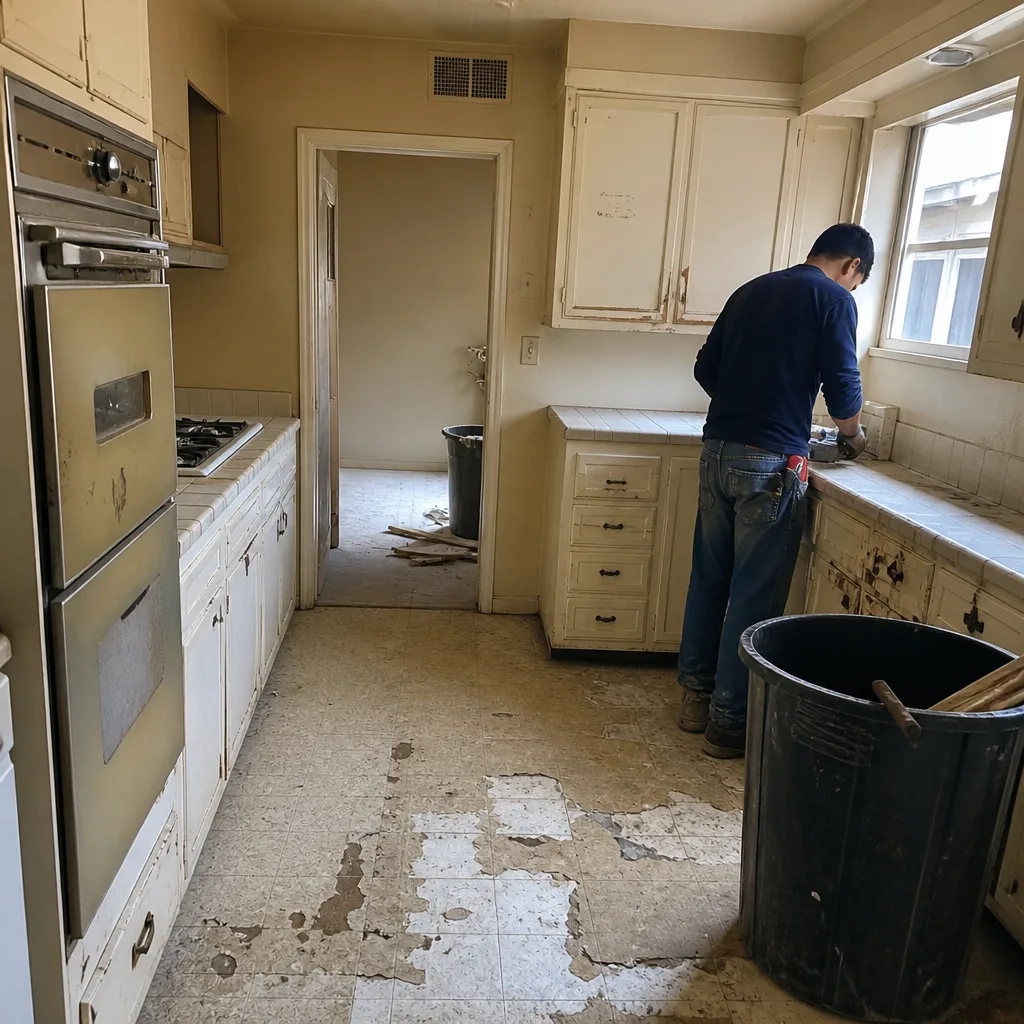 Before
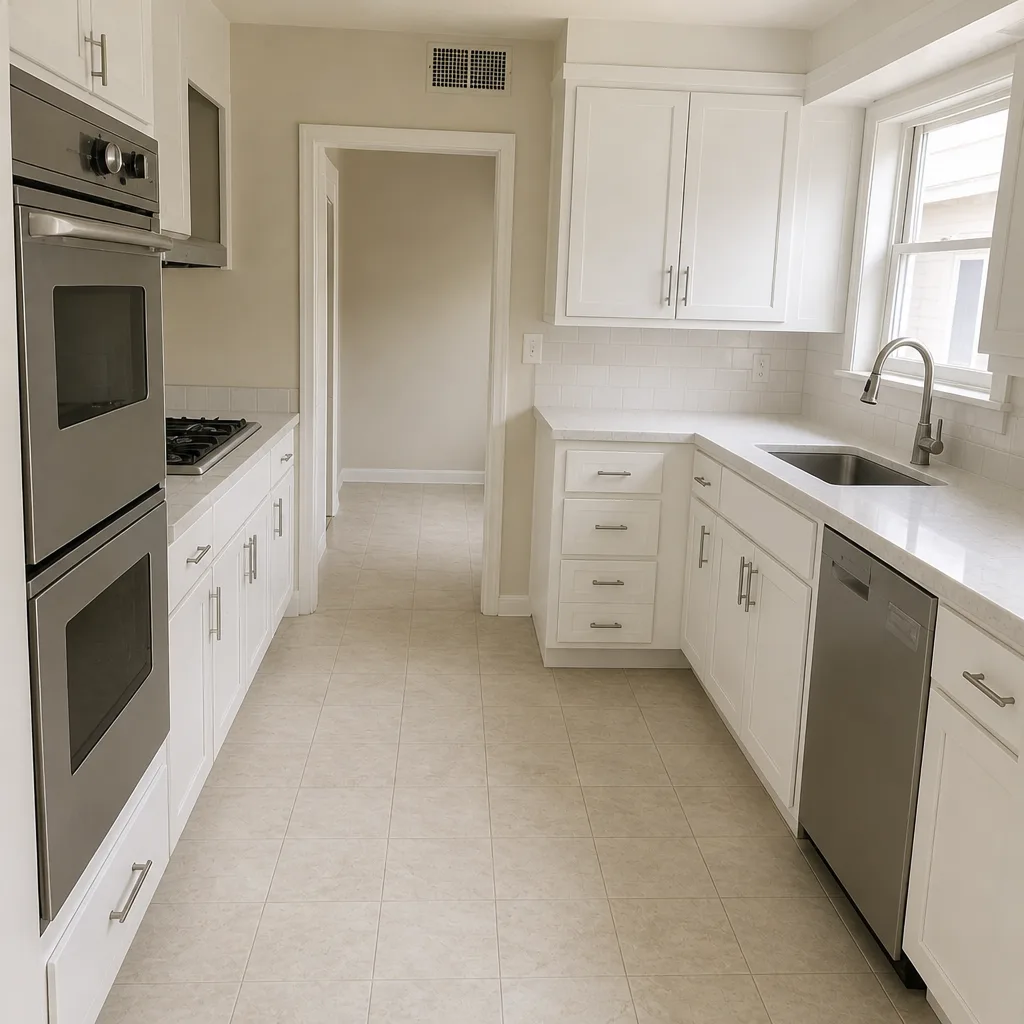 After
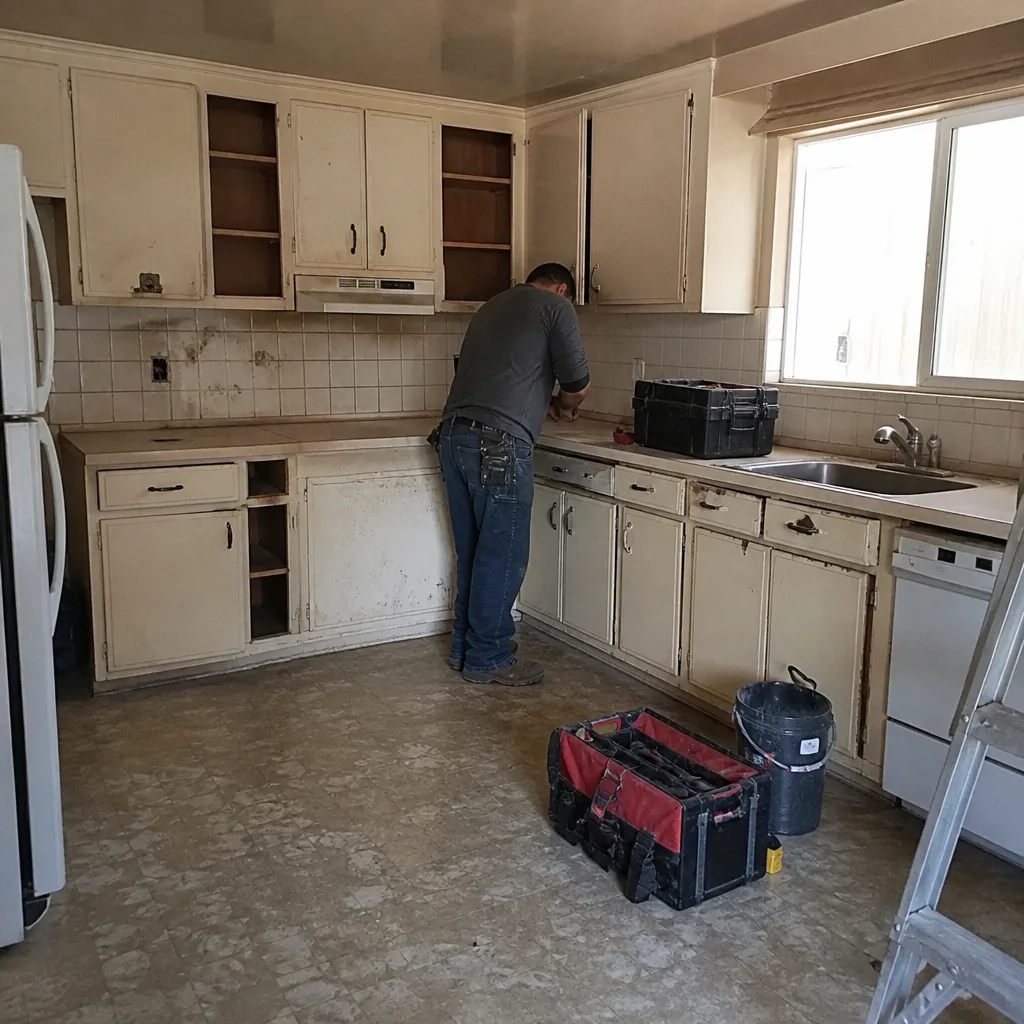 Before
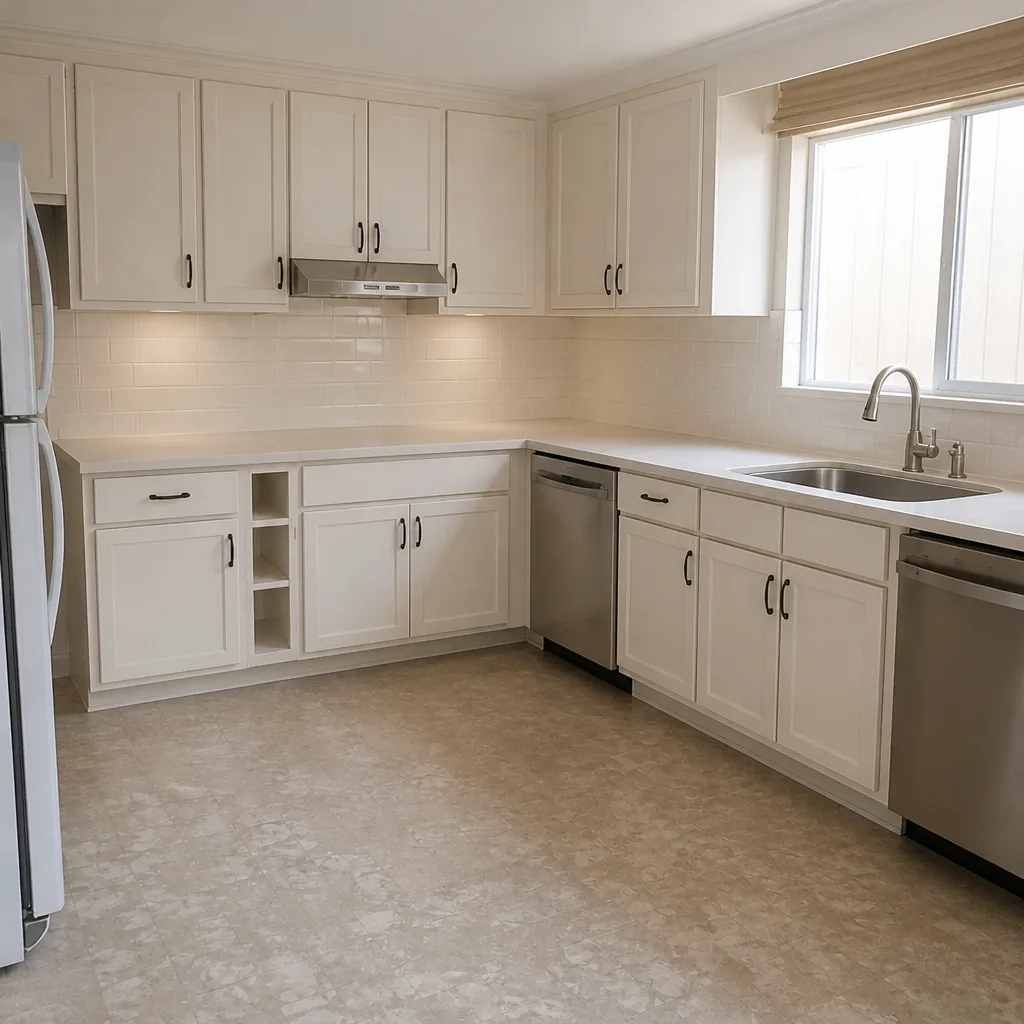 After
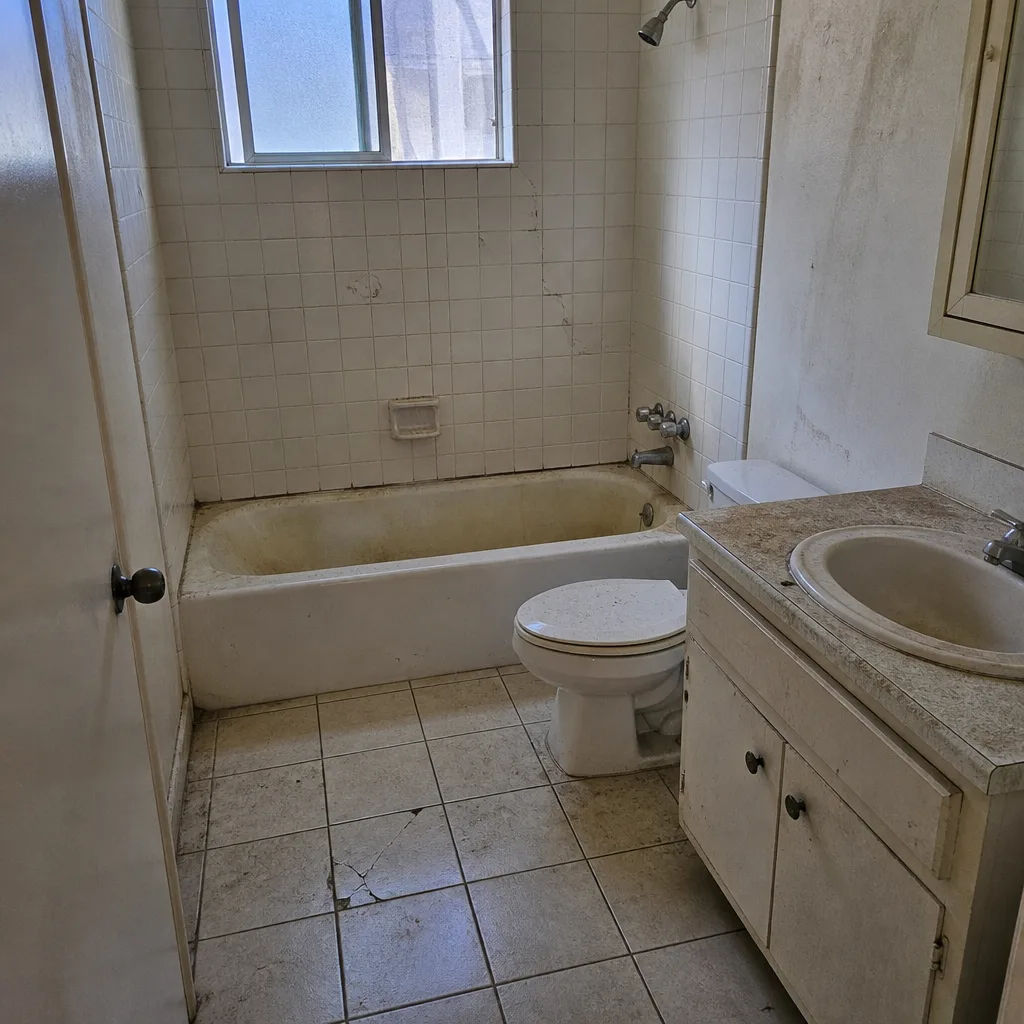 Before
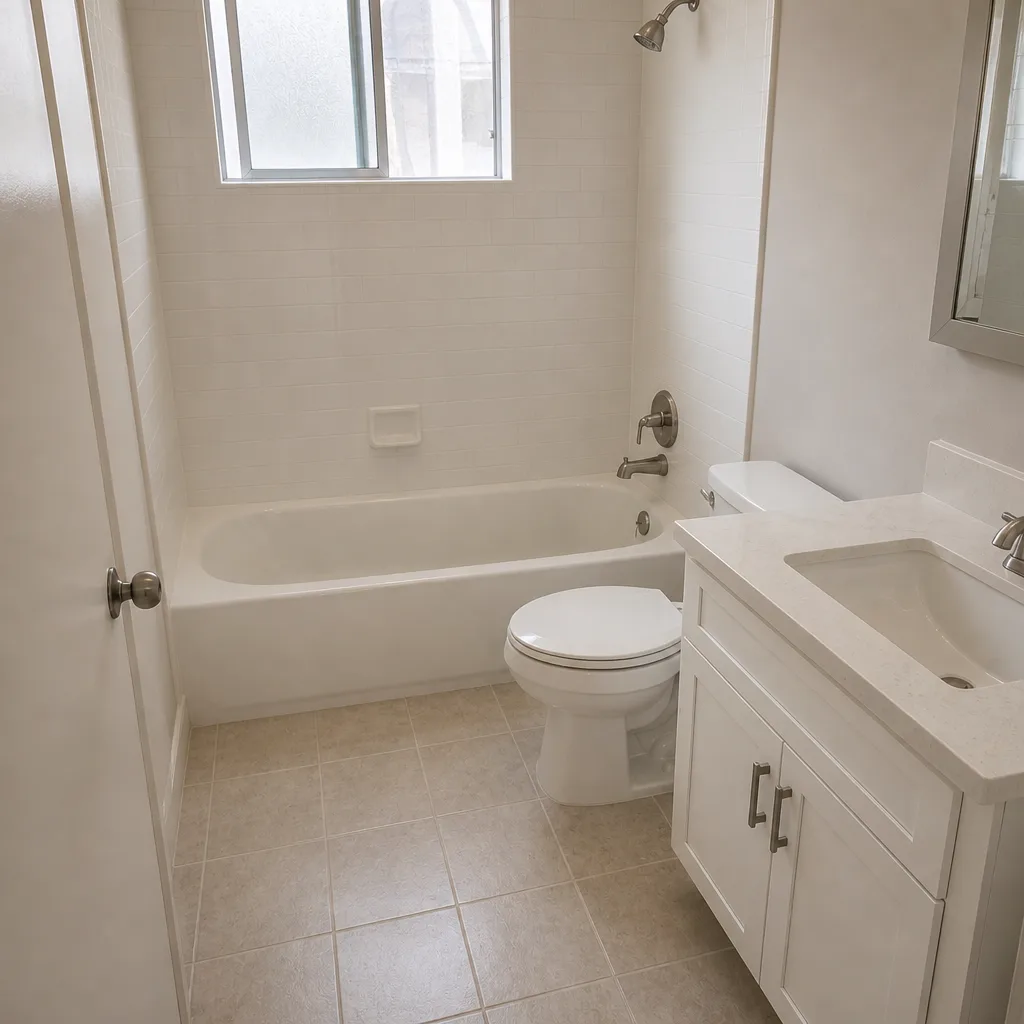 After
When to Call a Professional
Anything structural needs a professional – additions, ADUs, load-bearing changes, garage conversions. Roof replacement beyond minor repair needs a professional too, and roof safety matters: roof access and tear-off are genuinely dangerous work and should never be handled by anyone without fall protection and proper training. Electrical panel work, gas line work, and any service upgrade should go to a licensed tradesperson, and Torrance permitting generally requires them anyway. Driveway and patio installation when the base involves grading is worth getting evaluated – a bad base is a driveway that cracks within two years. Fencing is often DIY-able, but post footings on a slope usually aren’t. Windows and doors when the opening has shifted need professional reframing, not a drop-in replacement. Construction Torrance offers free estimates in Torrance – call (844) 560-5501 to schedule one. The written, line-item estimate sets the final price.
Frequently Asked Questions
A concrete driveway in Torrance typically runs $18-$28 per square foot in 2026, and a paver driveway runs $22-$38 per square foot installed. Those are estimates only, and the written estimate sets the final price. Call (844) 560-5501 for an exact quote – estimates are free.
Because Torrance sits at the premium end of South Bay labor pricing, and materials (concrete, lumber) have seen significant volatility since 2022 that hasn’t returned to older levels. Permit fees have also risen. A countywide average doesn’t reflect the local market. Call (844) 560-5501 for a free bid built from current Torrance numbers.
A ground-up room addition typically runs $290-$510 per square foot all-in, and a detached ADU runs $250-$430 per square foot, with prefab or modular systems often priced $180-$340 per square foot all-in before site-specific utility work. Call (844) 560-5501 for a written breakdown of your lot and scope – the estimate is free.
Not for the scope that was written down. Change orders arise when a bid omitted scope or when a tear-off reveals hidden conditions – roofing sheathing, plumbing behind tile, site conditions under a fence. A written, line-item estimate with an agreed contingency handles the known unknowns cleanly. Call (844) 560-5501 to schedule a free written estimate.
Yes – the permit is scoped and pulled for the work that requires it, and inspections are managed through the project. Torrance requires permits for additions, structural work, electrical and plumbing, and many roofing and window scopes. If a bid doesn’t line-item permits, ask where they’re accounted for. Call (844) 560-5501 for details on your scope.
Cosmetic kitchen and bath work generally runs several weeks after materials arrive; a roof replacement typically takes a few days on site; a driveway runs a few days plus curing; and an addition or ADU runs months, with the permitting phase alongside the build. Your written estimate includes an anticipated schedule. Call (844) 560-5501 for a free estimate and timeline.
The Bottom Line
Torrance 2026 construction costs are being driven by South Bay labor rates, concrete and lumber volatility, and higher permit fees – which means budgets built on 2022 pricing or national calculators will come in under. The practical playbook: use the 2026 Torrance ranges above, hold 10-25 percent contingency depending on scope, insist on line-item bids that name the brand and manufacturer system on every material, and confirm permits, haul-out, and landscaping restoration are explicit. Get the job run under one scope and one schedule instead of four separate bids. Construction Torrance handles the driveway to the roofline under one team, with the brand breadth – from Cambria quartz to GAF roofing to Belgard pavers – to match a specification to the price.
Call (844) 560-5501 for a free estimate. We answer 24/7. Fast dispatch from 7am to 7pm, Sunday through Friday.
Written by the team at Construction Torrance.